


Marketing Expert And Founder Paige Weise Exposes How Your Digital Assets Can Sabotage Your Exit (#523)

Send a text “Believe in yourself and keep going.”-Paige Wiese Exclusive Insights from This Week's Episodes Most founders think digital assets are a back office detail. Paige Wiese shows why that thinking is dangerous. In this episode, she reveals how websites, domains, CRMs, analytics, ownership rights, and vendor relationships can either strengthen your business or quietly undermine it when growth, due diligence, and exit planning matter most. You’ll hear why fast growth without structure cr...


“Believe in yourself and keep going.”-Paige Wiese
Exclusive Insights from This Week's Episodes
Most founders think digital assets are a back office detail. Paige Wiese shows why that thinking is dangerous. In this episode, she reveals how websites, domains, CRMs, analytics, ownership rights, and vendor relationships can either strengthen your business or quietly undermine it when growth, due diligence, and exit planning matter most. You’ll hear why fast growth without structure creates risk, how bad agency relationships drain money and momentum, why digital ownership must be documented long before a deal, and what investors really look for when they evaluate your company’s digital foundation. If you want stronger growth, cleaner systems, and a business that is built to scale and sell, this episode delivers a hard hitting blueprint.
EPISODE HIGHLIGHTS
00:12:41 The hidden reason many companies waste money on websites and marketing without seeing results
00:16:08 The red flags to watch for before hiring a digital agency
00:18:43 Why delegation works only when trust and alignment are in place
00:21:14 The AI trap: what founders are buying, what they think they are buying, and where it goes wrong
00:31:17 Two simple moves founders can make right now to reduce digital risk
00:33:35 What will stay the same and what will change in digital growth over the next five years
00:46:31 The contract question every founder needs to ask before it is too late
Full show notes, transcript, and resources for this episode:
https://podcast.deepwealth.com/523
The Deep Wealth Podcast
Most entrepreneurs do not fail.
They just carry too much for too long.
The business grows. Pressure grows faster. Profits get harder to predict. Decisions cost more energy. Over time, focus slips and health takes the hit.
The Deep Wealth Podcast and Deep Wealth Mastery are built from real experience. We're the only system based on a 9-figure exit. This system exists because guessing gets expensive.
🧠 Deep Wealth Mastery
This is for you if you want to:
• Grow a profitable business without becoming the bottleneck
• Build real value so selling is optional, not forced
• Optimize your health before it limits your business and life
One proven roadmap for real decisions.
⭐ Explore Deep Wealth Mastery
https://iapdw.com/idm
🎧 Subscribe
https://iapdw.com/podcast
📘 Free eBook
https://iapdw.com/ebook
💬 Have a question you keep circling back to?
Leave a short voicemail
https://podcast.deepwealth.com/voicemail/
Built by entrepreneurs. For entrepreneurs.
Loved this Deep Wealth Podcast episode?
You built your business from nothing.
Now make it pay off big.
📱 Subscribe Now
As a bootstrapper, every move counts. Subscribe on your favorite platform for Jeffrey Feldberg’s 9-figure exit strategies. From your morning grind to late-night planning, get insights from founders who did it without investors. These tips could change your future.
Drop a Quick Review
Got 30 seconds? Leave a 5-star review. It helps us make better episodes and reach entrepreneurs like you, hustling without a safety net.
Don’t Lose Your Exit (And Your Financial Freedom)
You’ve poured everything into your business. A bad exit could cost you millions. Most deals fail, and even “successful” ones lose half their value. The 90-day Deep Wealth Mastery program teaches you to make your business run without you and boost profits so you capture the best deal instead of any deal.
What Others Say
“Deep Wealth Mastery is pure gold. I wish I’d had it before my exit,” says Stacey C. “The value I’ve gained dwarfs the investment,” adds Sanjay S. “It makes my business great to own and sell,” shares William S.
📘 Grab Free Tools
Check out client success stories for proof. Master the Deep Wealth Strategy Map to plan your exit. Or snag the eBook, From 7 to 9 Figures: The Exit Playbook, for a clear guide.
Click here to start your legacy-defining exit today.
00:00 - 523 Paige Wiese
01:26 - Sponsor Deep Wealth Mastery
04:47 - Welcome and Paige Intro
05:11 - Paige Origin Story
06:57 - Growth vs Marketing Basics
08:40 - Founder Health First
12:21 - Client Mistakes Patterns
14:42 - Agency Red Flags
18:49 - Delegate Without Micromanaging
20:42 - Tree Ring Secret Sauce
24:05 - Marketing for Liquidity Events
26:34 - AI Hype Reality Check
28:20 - AI and Brand Authenticity
28:59 - Investor Proof and Ownership
31:25 - Low Hanging Growth Fixes
32:53 - Vendor Lockouts and Bad Actors
33:21 - Five Year Digital Forecast
34:43 - AI Websites Need Humans
37:40 - What Top Clients Do Right
41:30 - Marketing Noise Truth Test
42:24 - Choosing Channels and Fit
43:43 - Vetting AI Agencies
46:31 - Contracts and Contingency Plans
47:39 - Back to the Future Wisdom
49:27 - How to Reach Paige
51:03 - Final Wrap and Subscribe
523 Paige Wiese
Jeffrey Feldberg: [00:00:00] Paige Wiese, understands something Many founders learn the hard way. Growth without intention eventually collapses under its own weight. Paige's journey is rooted in building brands that last, not just campaigns that spike as the founder of Tree Ring Digital. She has spent years helping companies grow in a way that's sustainable, human, and aligned with long-term vision.
Her work sits at the crossroads of strategy, creativity, and leadership where results matter, but so does how you get there. What makes Paige's story compelling is her perspective on responsibility.
Responsibility to clients, responsibility to teams, and responsibility to herself as a leader navigating ambition, expectations, and personal standards.
She's seen what happens when businesses chase momentum without structure, and when founders confuse busyness with progress. Paige brings a calm, thoughtful approach to an industry, often driven by noise and urgency. Her insights come from real [00:01:00] experience building systems, making difficult calls, and learning when to push forward and when to pause.
She speaks with clarity about trust, boundaries and the discipline required to grow without burning out people or principles. Her story resonates with the operators and founders who want growth that feels earned, leadership that feels grounded and success that still leaves room for a life outside the business.
Sponsor Deep Wealth Mastery
Jeffrey Feldberg: And before we start this episode, a quick word from our sponsor, Deep Wealth and the 90 Day Deep Wealth Mastery Program. Here's Jane, a graduate who says, and I quote, the Deep Wealth Mastery Program prevented me from making what would have been one of the biggest mistakes of my career. I almost signed on the dotted line with an unsolicited offer that I now realized would have shortchanged my hard work and my future had I accepted that offer. Deep Wealth Mastery has tilted the playing field to my advantage.
Or how about Lyn? Wow, he gets right to the point, and I quote, Deep Wealth Mastery is one of the best investments [00:02:00] ever made because you'll get an ROI of a hundred times that. Anyone who doesn't go through this will lose millions.
And as you're listening to these testimonials, are you wondering if you have the time? Are you even thinking that you've got this covered, you have the advisors or people in your network? Well, I got to tell you, these myths, they're often behind the 90 percent failure rate for liquidity events. Think about it. You have one chance to get it right for your financial freedom. You really want to make it count.
And when it comes to time, let's hear what William has to say. We just got in this testimonial, William says, and I quote, I didn't have the time for Deep Wealth Mastery. But I made the time and I'm glad I did. What I learned goes far beyond any other executive program or coach I've experienced.
So what do you think?
As I hear that, that's exactly what gets me out of bed every day. That's my mission. That's the team's mission here at Deep Wealth to literally change the social fabric of society. One business owner at a time, one liquidity event at a time, and my Deep Wealth Nation, what I want you to know, the Deep Wealth Mastery Program, it [00:03:00] isn't theory.
It's from the trenches. It's the only one based on a nine figure deal. And that deal, that was my deal. You know my story. I said no to a seven figure offer. I created the system that later on, myself and my business partners, we said yes to a different buyer, a different offer, a nine figure deal. That's what we now call the Deep Wealth Mastery Program or the Scale For Ultimate Sales system.
It's built by business owners, for business owners, so if you're interested in growing your profits for preparing for a future liquidity event, and that may be two years away, it could be 22 years away, whatever the time may be, you want to do this now, and you want to optimize your post exit life, Deep Wealth Mastery is for you.
To get started, email success at deepwealth. com. Again, that's success. S U C C E S S at DeepWealth. com. You'll receive all the information about the Deep Wealth Mastery Program or better yet, why not hop on a complimentary strategy call.
We'll go through exactly where your business is [00:04:00] today and what's standing between you and your financial independence and your dreams. So that's where you want to be. You want to be with other successful business owners, entrepreneurs, and founders, just like you they're looking to grow their businesses, create markets.
Market disruptions and unlock their financial freedom to get what they deserve. And whether you've been in business for three years, 40 years, you're a startup, you're manufacturing you're in high tech, low tech, whatever the case may be, coming in and network with other business owners, it's a safe space.
It's a confidential space with business owners, with businesses just like you, because they all wanna lock in their financial freedom and enjoy both success and fulfillment. So again, the 90 Day Deep Wealth Mastery Program, it has your name on it. All you need to do is take the next step. Please send an email to success at deepwealth. com.
Welcome and Paige Intro
Jeffrey Feldberg: Deep Wealth Nation welcome to another episode of the Deep Wealth Podcast. Well, Deep Wealth Nation, let me ask you this. It's a rhetorical question right up front. When it comes to your growth, are you behind are you doing your marketing and falling short?
[00:05:00] And I know most of people probably saying, yeah, Jeffrey, I want more growth in the marketing. We have more questions than answers. I got it. We have a very special guest in the House of Deep Wealth. You heard the official introduction, but Paige, welcome to the Deep Wealth Podcast.
An absolute pleasure to have you with us.
Paige Origin Story
Jeffrey Feldberg: There's always a story behind the story. What's your story? What got you from where you were to where you are today?
Paige Wiese: Yeah, first for thanks for having me, but absolutely diving into the story I was more just had no idea what I was doing coming out of high school and just had to choose a path. I chose architecture and really enjoyed it. And then that was about two years into architecture, was hitting 2008 with the recession and really realized that was not the right time to be trying to join that.
And also was, you know, having some health issues that I couldn't make it to a job site. And, you know, check on jobs, see how things are coming along. So. I was like, how do I make money? What do I need to do? What are some other options? What's something I can do for my home? And that's when I started diving into website design development, really looking at how do we make that happen?
And at the time, I was just scrapping by, on [00:06:00] Craigslist, we were talking earlier, you know, like no money, no way to do anything on unemployment, figuring out. How do you get a business off the ground with no business experience? But really it was me just grasping for anything I could do to, you know, still kind of make a living.
And from there, I just started building up that community here in Colorado. I didn't have a community coming here. I'm from Iowa. So it was just like, I don't know anybody, I don't know this industry. What am I gonna do? And that's really where I, you know, kind of dived in and, and said yes to anything and everything that came my way.
And like most entrepreneurs are gonna do and just hustled and really started seeing like directions coming from all directions of. Hey, This is happening. I'm running into this. I don't know why this is going on. So really early on, I just started to do tons of troubleshooting and that's what led us into turning this into a more full service digital agency.
17 years later now with a team of 16.
Jeffrey Feldberg: Love what you're doing.
Growth vs Marketing Basics
Jeffrey Feldberg: And Paige, let me ask you this, because I know one [00:07:00] entrepreneur to another, one founder to another, the glass is usually half full and sometimes at our own expense when that happens. So when it comes to growth and marketing, and I'm really separating those two out, some people use the words interchangeably as you're gonna tell us.
It's very different that way. What are you generally seeing for better and for worse when it comes to both growth and marketing, particularly from a founder's perspective?
Paige Wiese: Yeah, I think, I mean, you're right, growth, they do go hand in hand and they're separate. But a lot of 'em think, oh, I'm just gonna keep doing what I'm doing and I'll grow. And it's like, well, this got you to here, but there's gonna be a spot where that stops. And so you have to start realizing what are you gonna do to really break through that next piece and that next hump.
And that's where it should be marketing. What does that look like from marketing? Can be all sorts, but it really is finding out what is that real goal that you have for growth? What does growth mean to you? And then building your marketing strategy around that. But I think a mistake a lot of 'em make is trying to keep that [00:08:00] marketing budget really tight.
Or historically, I haven't had a marketing budget, but you need to be investing in the company and in the brand if you want it to grow. And so that's really where I think it's important that the two do to go hand in hand, but. Don't dive too far deep. You still gotta focus on the operations. You still have to focus on the systems and processes.
I'm guilty of it. I've had, you know, opportunities and times where I've grown too fast and had to go, whoa, whoa, whoa. We gotta pump the brakes here. Like, we don't have the right team in place. Or, whoa, we don't have our PR systems built out strong enough to take on as much work as we're trying to go after.
And so, you know, really looking at, there's a lot of things that come into growth. Marketing being a piece of it.
Founder Health First
Jeffrey Feldberg: And I wanna go back to both growth and marketing, but you said something very interesting at the start. Something very near and dear, both to myself and DePaul Nation and the podcast, and that's health. Even this podcast extracting your Deep Wealth both in business and in the personal side of things. So you had some health issues.
You saw firsthand what that [00:09:00] was like to, hey, maybe not as easy as I thought it was gonna be. I have to take care of myself and on the health side. So as a saying goes, you've been there and done that and for so many founders who take the health for granted, well yeah, I'll always be healthy and things are always gonna be great.
You've now been on both sides and what would you share to Deep Nation now? Thankfully. You're on the better, healthier side of things, but when you weren't and going through that journey, what would you want us to know about that?
Paige Wiese: I think really you have to always focus on your health as a founder. As an entrepreneur, there's gonna be ups and downs. There's gonna be stressful moments, there's gonna be health issues, but I have found. And that's one thing I really put into even my current routine is no matter how busy I'm getting, no matter how much is on my plate, I go, I have to focus on my health though, no matter what.
That has to be what comes first. So I always have my gym time, every time I'm like, oh, I don't know if I wanna do that or not. I still show up, I still take care of it. And I think that, you know, if it also just starts to [00:10:00] like build that confidence as you get ready to start your day, it just makes you feel a little bit better as you start your day.
So it doesn't really matter what that looks like for each person, but finding that will really help you have. That little more grounded mindset going into the day, going into the challenges, and I know everyone says it, but I mean it is crazy when you start to really live that taking care of your health side, how much of an impact it can make.
And now it's like a non-negotiable for me.
Jeffrey Feldberg: When I look back for my own journey Paige, and it was all growth focus. Okay, here are the KPIs. This is what we absolutely have to hit. As the saying goes, everyone's gonna sleep when they're dead. Oh, so we're hung, but that. Was the anthem at the time. So from your own experience and to share a Deep Wealth Nation, what would be the telltale signs that chasing after a certain type of growth simply isn't healthy?
That yeah, sure. Maybe it's two steps forward today, but it's gonna be 20 steps back tomorrow. How do we differentiate.
Paige Wiese: Yeah, one, listen to your body. [00:11:00] I mean, that's the biggest, right? Is too often we're pushing those signals down and like, no, no, it's fine. It's fine. But really listening and days that I'm like tired, I'm like. Take the nap. Your body is saying you need something, take it. Right? So I definitely think that that's gonna be one of 'em.
And second of all, it's really gonna come around just more of, Hey, those KPIs will be there, but if you are not in your top form. You're not gonna hit those KPIs and it's gonna start impacting the team. It's gonna impact clients, it's gonna impact operations, whatever that looks like. And so it is really starting from that leadership side of how do we make sure this is in place so that we can have that go down.
And it's the same with your team too, making sure. They're getting what they need from taking care of their health and having that time because you're gonna get better productivity out of it. So I think noticing the signs and you know, what are you gonna do about that? And at the same time, you know, slow down and listen, you, those KPIs aren't gonna get hit when that's happening.
I've seen it, I've experienced it, and it is frustrating. It [00:12:00] is the kick to the ego of why didn't we hit these? But usually there's something else. And when you can address that, then you start to see that thrive.
Jeffrey Feldberg: Nation you've heard it from yet again, another founder who's sharing not gold, but platinum health is our first Wealth and health. It's our sovereign right to be healthy, and it's something that we should be chasing, not as a to-do, but a ritual as a way of life.
Client Mistakes Patterns
Jeffrey Feldberg: And so Paige, I'm gonna ask a bit of a loaded question and it's probably too general.
I'll preface it with that, but I'm gonna ask it anyways because I know every entrepreneur and every company is different, each unique. That said though, generally speaking, when you begin working with a new client, are there some patterns that you're seeing? Some common patterns? Yeah. Jeffrey, 80% of the challenges that we're seeing with this client over here, they come from 20% of the same.
Opportunities or missed opportunities or things that they're doing that they shouldn't be or things that they should be doing that they're not. Any common patterns that you're seeing that you can share with us?
Paige Wiese: I think one of the common patterns is gonna be that. They don't know what they don't [00:13:00] know, and it's not a be like a, it's okay. However, they're trying to do too much with their website and marketing themselves, or they're handing it off to vendors without asking the right questions, and so they're not getting the response back that they're looking for.
Whether it's, I'm putting X amount into my marketing spend and I'm not seeing results. It's probably 'cause you're either not holding the vendor accountable or because you don't know what to be asking and you're not engaged with that vendor or the team and like the employee, whoever you have tasked to do that.
And then the second site is gonna be that with the website, like hoping they can scrap by, set it and forget it and never touch it. But it's because they don't know. They don't know what else they should be doing on the website. They don't know why the content matters, why the call to actions matter.
They're just really happy of, well, we have a website up that's, we can check that box and we can move on. And so for us, what's really them coming usually in that. Oh my gosh. Like something happened. Now I don't know what to do. or I'm not getting, and I'm frustrated and I've ran outta money. I don't know [00:14:00] how to put money into marketing when I've already used it all.
And so that's probably the most common theme that we keep seeing. And then the second is gonna be just running into the digital assets side of it. All of, Hey, I tasked a virtual assistant because I was growing to set up our CRM. Next thing you know. It's in the hands of the virtual assistant and we have no idea how to do anything from a super admin side of all of that.
Or, you know, hey, we hired a company to set up our CRM. It's not working appropriately, but we don't know how to change anything or do anything. And they're still the ones that are the masters of that CRM. So if they stop and disappear, your whole company's on hold. So that's where we really start to see, you know, the second piece of it come up for entrepreneurs, those growing scaling massively, all of that.
Agency Red Flags
Jeffrey Feldberg: So, Paige, let me ask you this because it's a common story. Same narrative I'm hearing from one member of the Deep Health Nation to another member. Just different names, different companies, but the narrative goes something like this. We met this terrific, fill in the blank. It could be a marketer, it could be a digital agency.
Wow. They were so impressive. I was [00:15:00] so excited, and I signed the dotted line, went into a contractual agreement, sent the money over. Silence nothing. And before I knew it, I had to fire them. So that is sadly too common. It's the one pain point that I see time and time again. And it seems that the growth side vis-a-vis the marketing, vis-a-vis the sales is the Achilles heel for most founders.
What's going on out there that as founders, we're smart people, but sometimes we can be so smart, but we can be, if I can use the word stupid at the same time, and we're going into situations with either individuals or companies that we simply shouldn't be, how do we stop that scenario from ever happening again?
Because it sounds as though from the outside looking in, and by the way. I've been in that exact same position too many times that I can count. And looking back, it's like, yeah, Jeffrey you did it again. You abdicated instead of delegated and you didn't ask the right questions, you weren't looking at the right things.
So we're looking at a digital agency and we're gonna talk all about yours in just a [00:16:00] moment. Let's talk about what not to do or what to look for, that we don't do it. So what would have us run, but run as fast as we can in the opposite direction? What would be some red flags when we're speaking to a digital agency?
Paige Wiese: Well, I'm just kind of understanding what is the agreement. That you're looking for, like and setting that expectation upfront. Are you looking for website help? Are you looking for Google ad help? Are you looking for social, but also understanding you're gonna get what you pay for? And I mean, I know that that's a common trend across everything but.
I think what we as business owners do is say, Hey, I'm gonna hire this company and they're gonna go do it, but they don't wanna spend the full amount of money for what it really takes to put that entire social together and like everyone that it takes to do that, or they're gonna take the cheap route.
I'm gonna go to Fiber, I'm gonna go to something that, you know, it's just a freelance whatever. And I've been in freelance. I get that. However. Typically, if you want a very successful [00:17:00] campaign, it's gonna be rare to find one person that's gonna be knowledgeable and how to understand analytics, how to understand content, how to understand design, how to, you know, review what's going on on your website and putting all of that together and coming back.
So if you think that you can get by on a very cheap budget, marketing and web included, whatever, and that you can just hand that off an assigned contract. You are probably never gonna get the results that you're looking for because that one, two people, team is not capable of it. So understanding who is gonna be working on your account, what is their expertise, is really some of the better questions to ask instead of running into those red flags and agency can say they can do everything.
We see it all the time. We say we're full service, but what it comes down to is. A lot of 'em will say, well, we do the website because we have to because we're running ads. But the website's not their area of expertise. They just [00:18:00] fell into it. Or the other side around, well, we'll run your SEO, your marketing campaign, whatever.
Even though we really are good at web. Just because we have to, we don't wanna lose 'em as a client or we wanna be able to provide more, but it really isn't their skillset. So really you've been asking sometimes just the, like the owner, the person you're talking to, like what do you guys really thrive at?
And does that align with what you want as a company? Because then you'll start to get better results. And second red flag is just be ready to be hands on like. Too many clients just set it and forget it. They contact us, they sign the contract and they disappear. And then they're frustrated six months later and I'm like, we have sent you so many emails saying let's get a marketing call on the calendar.
And they just, they're too busy. And so if you're gonna be investing in that engage and make sure that you fully understand what you're getting outta that investment.
Jeffrey Feldberg: Okay.
Delegate Without Micromanaging
Jeffrey Feldberg: So a lot there to unpack and duplication. Please, I hope you're taking some terrific notes here because what Paige is sharing is not gold, is platinum. So Paige, I've run into this myself [00:19:00] at what point is it micromanaging to being on top of things to abdicating or delegating? Where is that fine line?
How do we really differentiate? Because I want you to go and do your best at the same time though. Well, you need some direction, you need some insights. You can't do it all on your own. You don't know my business as well as I do. So how, as the founder who's perhaps overseeing this or I have my team that's helping, how do we do this in a way that we set you up for success, not failure.
Paige Wiese: It really comes down to trusting who you're hiring. You have to trust no matter what it is, an employee, a vendor, whatever that is, you have to trust who you're hiring, and if you don't. Not a good fit, because that's the first piece of the delegation, right? Instead of micromanaging, if you don't trust them, you're gonna find yourself micromanaging.
And the second you're doing that, it's a bad fit. You gotta go a different direction. But the second side of that is really trusting that gut. And I've used this a lot through growing the businesses. Does this make sense or not? Does something feel [00:20:00] off or does this align in asking those questions and seeing what their response is, and if it's not aligning?
Great. Then we have a different issue. But that's that piece of let them do what they do. But if they start, you know, producing results that you don't understand or they're saying, go this direction, but it's not quite sitting well. Then ask the discovery and the clarifying questions to make sure you're aligned.
And if you're not, it's okay. But that's where you're gonna start to find that distinction of, is this, you know, someone I can trust and delegate, or am I micromanaging? And really, I think that gut is what's gonna start to tell you. And anytime you feel like you're diving into micromanaging, you've lost trust in who you're working with.
And we need to go a different direction.
Tree Ring Secret Sauce
Jeffrey Feldberg: Part of that, which is a great segue to my next question. Part of that for me anyways, is working with a team or an individual or a company. They've already got this mapped out, okay, Jeffrey, here's what we're gonna be doing. Here's what I need from you, and here's. When we're gonna be having our part done, here's what I want from you in terms of having your part done, and the list goes on and [00:21:00] on.
It's already a done for you system. Where I am helping to fill in the information and go along with that, and it's a collaboration. So with that in mind, Paige, imagine now I'm okay. Paige heard you on the Deep Wealth Podcast. Let's start to work together and we're now going down that path. Okay, Jeffrey, we're gonna help you market.
We're gonna help you grow and do all those other kinds of wonderful things. I understand what your goals are. What's the method to your madness? What's your secret sauce? What are you doing?
Paige Wiese: Ours is really like we have a lot of clients come to us and just say, I want SEO. Okay. what's the reason? Where did you hear this from? What's going on right now? I want AI optimization, right, is the big thing. What does that mean to you? Do you even know what your expectations are other than you hope to show up in the LLMs?
But why do you wanna be there? Do you even know how much traffic is coming to you from that location? So this is where a common mistake from business owners comes, is they're jumping on that bandwagon. I can't tell you how many times I've had that conversation in the last month or two of clients that are [00:22:00] signing up for all of these ai.
We're gonna do everything and we're gonna charge you $200 a month. Do you really think that anyone is managing that account? If you're gonna pay $200 a month, and do you really want your company on marketing on such autopilot that you trust it? And I get somewhere like, well, it's not that big of an investment.
I've got a client right now who's about to lose their website because the marketing efforts have done absolutely nothing. But that company built the website through ai, so as soon as you cancel the contract, you lose the website too. So, yes, it sounded like a magic wand and like, Hey, look, we're gonna make this happen for you, but it's not there.
People are still trying to understand from a marketing side how AI can really do those pieces. AI for what we know on how the LLMs are trained, AI should not be doing that. We saw that with the SEO, you know, oh, we're gonna build massive backlinks, we're gonna do all these things. I've had AI write really crappy ads because they didn't understand the right information, right?
And so if you are [00:23:00] thinking, oh, this company's just going to set it all up and use these tools, you have to understand what you're getting out of it. So that's where we slow back down and go, but what are you really trying to accomplish from this effort? Whether it's your website, whether it's your marketing, are you still in a growth phase?
And we just need a website up to get you going so you can start talking to people. Or are we at the PA phase where we're trying to automate and really make this a workhorse for you? And how do we scale into that by making the right decisions upfront instead of throwing a ton of money away in discovery.
So that's where like I think ours really comes in and then marinating the two between understanding what's going on with marketing and understand what's going on with your website and how those two impact each other.
Jeffrey Feldberg: Paige. So what I'm hearing you say, part of your methodology is really getting under the covers. Okay. Jeffrey, what do you want? And tell me why you want that. Just to say, well, I want to be out there and we'll talk about AI momentarily. I wanna be out there with all the AI bots and being mentioned. Okay, that's great, but tell me why.
And so you really want to get from your side of things. [00:24:00] The understanding of what makes it tick for me, for the company, for the team.
Marketing for Liquidity Events
Jeffrey Feldberg: And so now that you've got that and you're going through that, I know offline you're sharing with me in Deep Nation, take note of this Paige, loves working with companies that wanna grow and eventually have some kind of liquidity event.
Maybe they're bringing in an investor, maybe they're going to take some of the chips off the table, all the chips off the table. So what are you doing differently than most other agencies? Okay.
Jeffrey, you shared with me you wanna have some kind of liquidity event in the very near future. You need your numbers to be going up, you need your growth to be getting out there. What does that look like? what are you and the team doing now that I'm probably not gonna see elsewhere?
Paige Wiese: Yeah. For us, it really is going, okay, what are the methods? What is the trajectory of how quickly we wanna do this? Do we have the right ad spend for it? Whatever that looks like for ad spend. Are we in the right channels to do that? What are not necessarily shortcuts, but I was talking to a client the other day where it was like.
No, go to Amazon, absolutely advertise on Amazon. They trust [00:25:00] Amazon. They're gonna buy your product there with a simple click add to cart go. But trying to drive traffic to your website to grow for this product is gonna take us a lot longer to build that trust. And so we have to look at all of the avenues that we could incorporate to make that growth happen and weigh the pros and cons there.
But I think the other one that really helps us is. A lot of marketing agencies stop at conversions to the website, so you are gonna get marketing reports that say, here's how many conversions we've given you, and they're really happy about 'em, and they're gonna talk a lot about how many people they drove to your site.
I'm gonna tell you, just turning on a marketing effort is automatically gonna drive traffic to your website. The question is, is it the right traffic? And so understanding the website side as well to go, whoa, they're not engaging. Whoa, they're not converting. Whoa, They're getting on phone calls, but they're not the right candidates.
I don't care how many people show up to your site, I wanna know how many people actually close deals with you and what does that [00:26:00] look like, and is it a sales issue? Is it a website issue? Is it a marketing issue? And that's where we really deep dive into all of that with our clients to see that growth.
Jeffrey Feldberg: As the old saying goes, one of our favorites here at Deep Wealth, don't confuse activity with progress. Yeah, sure. You have more visitors, you have more clicks. Well have sales gone up? Have your profits gone up? Or maybe I'll just make this easy. Maybe we're spending a million dollars, but we only brought in half a million dollars.
Well, we got a problem there. Hey, yeah, our growth went up 10 x. Well, so did your losses. So it's all. Hand in hand in terms of what you're doing.
AI Hype Reality Check
Jeffrey Feldberg: So you've mentioned ai. Something on my follow up in terms of questions here for you. So when it comes to artificial intelligence, what's going on, Paige, in your world of where we are today and where you see AI taking us or not taking us as a case NP, what's going on with that?
Paige Wiese: Yeah, I mean, I think there's definitely a lot of factors. You know, I've been to a lot of different conferences and events recently, and the voice agents are one of the big topics, and then you have to slow [00:27:00] down and think, do I really want. The first or third experience with our customer to be that automation and is our customer ready for that?
So while I understand it can streamline your operations and you can maybe quote-unquote, start to replace employees with ai. is your consumer ready for that? Because what we're seeing is no, they're already frustrated with the audit AI chatbots. I'm sure everyone listening can go, I absolutely hate them.
So now you're gonna take that where it was like a passive. If you wanna contact us and try, there's a chat bot in the corner of the screen to we're forcing you to do that. Every time you call us or every time you email us, everything is going through this. No, that is not why we're doing business with those that we know, like, and trust is to talk to an AI agent.
So while it's out there and it's a tool, is it really the right tool? And I know that others are gonna say other things, but that's really where my belief from it comes [00:28:00] from. And same thing. I understand you can have AI go build you a. I'm gonna tell you, most people don't understand how to edit it and also like make additional changes afterwards.
So now you are really stuck and lost on your own to get to that next level. And most people right now don't really wanna touch 'em. They don't want to inherit a website from ai.
AI and Brand Authenticity
Paige Wiese: So really start thinking about, yes, these tools are out there, but do we want them designing our artwork yet? Do we want them to be looking so rinse and repeat, that we are starting to feel like a non-personal touch anymore.
And where does AI fit in your company? I think it's better on more of a execution operation side than necessarily some of the marketing front.
Jeffrey Feldberg: And Paige, I'm wondering to the extent that your clients are having you get involved with the future in. Investor or buyer, when they're going through their marketing efforts, when they're going through their growth, and hey, is it sustainable? Is this not? What are the investors or buyers? What are you seeing and hearing from them?
Investor Proof and Ownership
Paige Wiese: [00:29:00] From the investors and buyers we're really hearing, how did you get here? Are these numbers legitimate and do you actually own the things that are happening? Those are gonna be the core questions. To your point, they really don't care what some of the numbers are. If you can't prove it. So if they start to ask like, Hey, can we see your analytic reports?
Or can we see the reports, the back, these numbers you're saying or this growth? And you start going, no, my vendor doesn't send me any reports. This is just what we're seeing. They're gonna start to have some flags around the accuracy of the data. And then the second side is, that's fantastic that you have all of this, but, and we wanna just take the website and we're gonna move it into our system and keep everything running as is.
Do you have the keys to the domain? Do you have the keys to, the answer is, well, I have the logins. But what we find is that doesn't mean that they have ownership. And so a lot of times what we end up finding out in that process is it belongs to a ex co-founder. It belongs to an employee that you task to set it up.
And so [00:30:00] now when we get there, while you know you have the logins. I can't tell you how many domains we own as an agency that we've given all the logins to people we bought it on behalf of, and our policy is absolutely, you asked me for it, we're gonna hand it over. But there's so many that don't realize that we actually own the domain name, and that's where we see a lot of vendor lockout.
That's where we see a lot of domains being held hostage and all of these horror stories that just instantly devalue the company or loses the deal altogether because they can't prove it. So those are the areas that we start to say, whoa, whoa, whoa. You've done all this to get to this growth. But to your point earlier, did you ask the right questions or did you just delegate this out and forget to say, now that it's set up, can I confirm that I have ownership of my Facebook account, that I have ownership of Google Business profile?
Those various pieces. So that's what the investors or those that are looking to acquire are really asking at the end of the day when it comes [00:31:00] to digital.
Jeffrey Feldberg: Pulp Nation, did you get that? And Paige, what I love about what you're doing is in step four of our nine step roadmap, due diligence, those are some of the things that we have every business owner go through. Okay. Domain names the code for the website. If we have custom code access to the website, or is it with to your point?
Team member, an employee. They're no longer with the company and they have the keys to the kingdom, so to speak. So some major issues there.
Low Hanging Growth Fixes
Jeffrey Feldberg: And if we're to look at Paige, some low hanging fruit, if a company could do anything, but if they could do one thing that would help 'em on the growth side, from your view of the world, what would that one thing be?
Paige Wiese: One thing that I would do is gonna be really slowing down and stopping and looking at what you're implementing from your website and marketing, does it actually make sense to you where they go next? Or is it just a pretty site? Because if you are confused of what to do on your site, your consumer is 10 times more confused because they've never been to your site, or if you don't know what the next [00:32:00] step is when seeing your ad.
Your consumer doesn't either. And so really, you know, taking a step back and going and putting yourself in that driver's seat for a second would be one second. Start documenting. Really make sure you own these things along the way. Make sure that you're documenting that domain name. And again, not just the login, but who's in charge of two FA, who's in charge?
Charge of the email addresses, who's getting the notifications? That's where we see more of the mistakes happen, is not whether or not you can reset a password it comes from, but do you actually know how to recover the account and do you actually have that ownership or are we gonna need to be getting some sort of lawyer involved to say, this is our, you know, piece that we own and we need to get this back.
Jeffrey Feldberg: And deportation. Do you even have a digital policy? Do you know what you should be doing? Do you have a checklist? Okay, we're starting a new landing Paige here. Okay? Who owns the domain? Who is having control to the website?
Vendor Lockouts and Bad Actors
Jeffrey Feldberg: So Paige, you and the team, you're honest, you're upfront, you have integrity. I'm not so sure we can say that about [00:33:00] everyone out there.
There's lots of actors out there, bad actors who aren't gonna be doing this, and it could be an issue. I've just heard horror stories where blackmail has come back. Okay. Yeah, sure. Jeffrey, you want access to this? Then pay up. Wait a minute, that wasn't part of our agreement. What agreement? I have control.
Pay me if you want to get there. So some not So great things that are going on out there.
Five Year Digital Forecast
Jeffrey Feldberg: And Paige, if I can put you on the spot. If you're to make a prediction looking out five years from now, it seems that the more things change, the more, on the one hand, they stay the same. But that said, when it comes to growth, when it comes to having our company digital footprint, our, our own footprint out there, from a a marketing side, a growth side, what's staying the same?
What's changing? What do you see?
Paige Wiese: I mean, I think staying the same. We're always gonna have a digital presence. I mean, no matter where that's going, we are in a tech era where it's always gonna be there. What that looks like though, it could be a different social platform at some point. It could be a different CRM than everyone's used to, or using whatever that looks like.
It could be a [00:34:00] different builder. It may not be that Squarespace and WordPress or some of the top ones, you know. So there's this piece though, where everything is still changing and at a really, really quick rate. And I think that's a piece though that makes everything so scary is. We're now like even now, if I sit here and go, well, okay, let's find AI automation.
Most people don't actually know that. That's not a skillset where if you ask for a WordPress designer, it's gonna be different. You're gonna be able to go find a WordPress designer. So I think something is, you know, that's gonna change is who are we looking to hire and what are those skillsets that we're hiring for?
But the sake of needing a digital presence, that piece isn't gonna go anywhere. And can you find the right talent to be able to handle the direction you chose to go as a company?
AI Websites Need Humans
Jeffrey Feldberg: And going back to AI for just a moment, it reminds me of the very early days of the internet where the internet or back then to date myself somewhat. The worldwide web as it was called, it was gonna put everyone outta business. There wasn't gonna be anymore. And motor. It was a very utopian kind of view.
With ai, we're hearing things like, oh [00:35:00] sure, AI is gonna do your entire website. It'll do it in seconds and forget the days, weeks, months, or longer that you need to do it right now. Your website and your growth strategies, where are we with that?
Where is AI in terms of that creative process today, and where do you see that going?
Paige Wiese: I've had fun. I've dabbled around with it, you know, which is a digital agency. We have to stay on top of these things. We need to know what potential competitors are coming down that we're not looking out for. And again, I think you need to understand. In like you need to know, or the person you've hired needs to still understand the basics to make any of these AI tools work.
So you could go in and create a website. I'm gonna tell you, if you don't understand what a pretty website should look like to convert, you're not gonna get what you want out of it. You've got a website, that's it. It's just literally a business card and they all look very similar. So that's the other pieces.
Then people start catching on and going. They didn't put any time or energy into this. It looks just like this other one, or [00:36:00] we're gonna hit this phase two that I'm not really gonna enjoy. But I think we're gonna get there and we already kind of are is where we're seeing like RFPs come through, that are written by ai and then it's like you have no idea what you're asking.
You literally don't realize like what your budget is and the amount of things that you just put in here. You spat it all out into AI and said, write me an RFP so I can get this out the door. And it doesn't make any sense. I've had two people come back now and go, you know what? We've actually modified the RFP.
I have never had that happen before, but now it's because they realized that they spit it all in. They got the budgets back and realized we can't afford all of this, that AI just told us to put into this, and we've had to reshape that conversation. So it's great you used it, but do you actually know what you need to know to get the results that you need?
Jeffrey Feldberg: And deportation, some terrific insights and advice. There and what I'm hearing you say, Paige is sure, AI is great. There's a role for it. To me though, what [00:37:00] resonates out there when people talk about ai. Sure. Take ai, combine it with the right talent and it's the right combination of. The experience from a human with the right kind of ai, and you put the two together, that's where the magic can happen.
It's not gonna be necessarily just one or the other on another side. Sure, you can have the right person doing it, but they could probably benefit from having ai. And yes, you can have the right AI bot doing it, but it would probably benefit from having that right kind of human involvement with the right insights and experience with that.
So you've nailed it in terms of Yeah. Why don't you combine the two or look to yourself and the team to figure that out for us. You keep on doing that so we can keep on doing what we're doing on the business side of things.
What Top Clients Do Right
Jeffrey Feldberg: And when you're looking across your clients, before we're looking at the glass being really half empty, let's look at it now as being half full.
When you look at some of your top clients, what are they doing right for them to be hitting those KPIs off the chart? They're not only meeting perhaps or even exceeding their goals, their metrics with your [00:38:00] help, of course the team's help. What are they doing right that's making that possible?
Paige Wiese: Yeah, what they're doing right to make that possible is bringing in the right people. It could sometimes be. A business coach or advisor combined with the marketing strategist combined with a marketing agency. Right. But they're getting the right team involved. It could be internal, it could be the CEO is talking to the CMO, who's talking to the specialist below, like whatever that looks like.
But they're not trying to just like. Get one person involved and just hand it all off. And then the second piece that we're seeing is they're engaged. The clients that come to us and ask the questions and stay engaged and understand where their spend is going or asking, I don't understand why this is happening, what other options do we have are seeing fantastic results.
Because now it's a collaboration, and that's how I've always believed that the marketing and web piece should be. I've built the whole model around collaboration. I'm not trying to take the work from anybody on the team. I wanna work with those that are in this day in and day [00:39:00] out, so we get the right results for that client.
So that collaboration piece really, really is, and not the micromanaging, you're right. Right. How do you find that balance between micromanaging and collaboration and so when we can get the collaboration and then they kind of get out of our way, those clients are really succeeding right now.
Jeffrey Feldberg: And so it sounds like if you can wave that famous magic wand, you and I were talking offline about that, waving a magic wand and having those results appear. It sounds like for you, the successful client is one who's curious. They're active, they're engaged. They wanna help you where they can, but they're also drawing a line where it's not micromanaging, it's not holding back.
You and the team. And Paige, I, I could be off base on this with what I'm about to say. I don't really believe I am. You can tell me either way on this for the magic to happen. It's both a founder who. Wants to have success. We'll make the time, doesn't have the time, but we'll make the time to be available themselves, the team to you and your team, but also [00:40:00] having the right team of, in this case, growth advisors, marketing advisors around them who know what to do, when to do it, how to do it.
It's that to use your words, collaboration. It's that kind of collaboration. That's what's getting the results, and that's what's standing out in the marketplace with all the noise. How am I doing with that?
Paige Wiese: Yeah, no, it's completely true. I mean, as founders and CEOs like. We only know so much. We typically know the area of expertise of why we started the business, right? Or the selling the product, whatever that looks like. my story is the same. I have no business or marketing background. Mine is all self-taught and it was just trial and error and just going through and feeling these pain points that I'm now able to like resonate with the clients on those.
But. I've had to bring in people to go, I don't understand some of the HR stuff. I don't understand the payroll stuff. I don't understand, but I've asked questions along the way to go, got it Now? All this stuff makes sense. Now I see why we're doing this. So it's a lot easier to put someone else in that space to say, [00:41:00] I'm gonna let you handle these things now.
Because I understand and can ask the right questions of that person without getting too deep. But by surrounding yourself with the right people, you're gonna have those people come in that are better than you, as you should. I always say my design team at this point is better than me, as they should be.
That's why we're hiring them. But also that's just not my role anymore. To be in the day-to-day, let me build as many websites as I can, right? Like I had to learn where do I bring those experts in and where do I take a few steps back?
Marketing Noise Truth Test
Jeffrey Feldberg: With all of that said, Paige, given that you're out there day in, day out, you and the team, you're seeing what's going on with the trends, what's changing, what's not changing? One of the things that I hear so commonly out there, both from founders but also from, and I use the words loose. Marketers or so-called growth experts.
Yeah, Jeffrey. We're not getting the results because it's so noisy out there and costs have gone up and people's attention spans have gone down, and so what used to work isn't working. So open up your wallet, spend more money to get this done. [00:42:00] Is there truth to that? Are they just putting that out there to really cover up of what's not happening?
What are you saying with that? Is that truth or fiction?
Paige Wiese: I have seen so many clients come to us this past two years of like what used to work isn't working. These are companies that in business, 10, 15, 20 years. Can even say to some extent like we're running into it too. Things that used to work aren't working. And so, yeah, I do think there's truth to that.
Choosing Channels and Fit
Paige Wiese: I think that, you know, as consumers we're getting more and more savvy generationally.
We are so different in how we engage with the internet, right? How these young 20 year olds are engaging compared to more of the boomers. You have to now start really, really more than ever honing into who is that audience, and are we hitting the audience the way they need to be interrupted?
Do we need to be on TikTok?
Or is that just not where our audience is? So, you're right, there's so many shiny objects. You could go talk to 10 different marketing people and you're gonna get 10 different results on why you should be doing what you're doing. And [00:43:00] really one, what sits well with you?
What, how much do you wanna be involved? If you don't wanna be doing that level of social, or you just don't align with the policies of social, then don't be there. Get off of it. You're never gonna enjoy it. So don't be there. Go find where your audience and those that resonate with you are. But we've said this even back in the day with social, where there was all the platforms to use.
Now it's amplified as just the amount of different avenues you can take to advertise, but. Choose the one or two that makes sense, and start there and get that traction working first. And then decide should we add more, should we pivot? What do we need to do? But do not try to jump into everything and just trust who you're working with to find that right answer.
Vetting AI Agencies
Jeffrey Feldberg: Paige with that said, in terms of what people want, what the marketplace want, I know generally. Speaking, it's not so general. Different markets are gonna have different needs, different wants, but that said, my own data 0.01, it seems as though having a company logo is no longer [00:44:00] enough that the public, the people, they want to see, okay, who's behind the company?
Is it AI now? Or are there people behind the company and there's people behind the company. I wanna know more about them. I wanna know who I'm doing business with. Is that just me that's seeing that? Is there a trend to that? What are you seeing with that? What would you advise us to think about it as we look to approach the market?
Paige Wiese: That's an interesting one because you know, no, most people don't actually care. Like I can't tell you how many have jumped on this AI website bandwagon. You can see it a mile away, but general consumers can't. They just see all of this flashy words that, oh my gosh, they must know what they're doing. Or they see the word AI and they go, I don't want a standard agency.
I want this one. 'cause they're doing AI stuff. But when you go to dig to your point of who owns this, how long have they been around, what's their track record? The answer is almost always no one actually knows, and half the time they're still doing a part-time job someplace else and not really dedicated to you.
I was sitting at a conference and I had a gentleman [00:45:00] stand up talking about AI tools and he goes, well, lemme know, just do this on the side. I've got a full-time job that. Why are you selling this AI thing that you're not even fully invested in? Is that who you really want representing your company? And then we lost another one, and I'm like, again, you're gonna come back in six months when you realize.
AI wrote the content. They don't even know what they're standing behind. They don't even know AI is the one making all of these promises. They just slapped it up on the site and said, have a great day, and let's go market. So I think that to your point, unfortunately, they're jumping to these instead of going back to what they used to do, which was asking questions, who's the owner?
How long have they been around? What's their area of expertise? Who is the team that I'm gonna be working with? Are you just gonna hire a bunch of bots? Are you gonna hire people from out of the country or are you gonna have people here locally? Like what does that level even look [00:46:00] like? And so maybe you want the AI solution, that's fine, but are you really gonna get what you want out of it in this moment?
And do you even know what that expectation is? But I would ask more questions for sure. 'cause they're gonna disappear here in three months, six months, whatever.
Jeffrey Feldberg: So get curious. Ask the questions. Do your own due diligence, see what comes up with that, and then at least you can make some decisions. Eyes wide open.
Paige Wiese: Yeah, absolutely. And that you always should. I mean, it's, that part has never changed. It will never change. Ask the questions.
Jeffrey Feldberg: Got that.
Contracts and Contingency Plans
Jeffrey Feldberg: And Paige, let me ask you this. Is there a question, an important question that you and I haven't yet covered?
Paige Wiese: I think the only other important question just really comes down to. What's the contract? Who owns what at the end of the day? And also, if that person were to disappear and stop responding for whatever reason, health emergencies, sudden deaths, just didn't really wanna respond. Whatever that looks like, whether it's an employee, whether it's a vendor, do you know how to pick up [00:47:00] where they left off?
And if you don't, then we need to start having a different conversation.
Jeffrey Feldberg: Wow. Wow. What a question. What, what a question. Hey, if so-and-so gets abducted by aliens, okay, what happens next? Who's got the keys to the kingdom? Do you even have documentation? Do you have a backup? And Paige, I would venture to guess probably not is gonna be the answer. So deep both nation, you've been given a heads up here from Paige with some very sound advice.
Whatcha gonna do about it before you go into your next meeting, phone call, your next action. Take that one. Pick something that's critical to the company and of the person who's running it. Were abducted by aliens. What would happen? Do you have that covered? And that's something to really think about.
Back to the Future Wisdom
Jeffrey Feldberg: So that said, Paige, we're gonna go into wrap up mode. It's a tradition here on the zPo podcast. It's my privilege, my honor, where every guest gets asked the same question. It's a fun question. Let me set this up for you. When you think of the movie Back to the Future, you have a magical DeLorean car that will take you to any point in time.
So Paige, I want you to imagine now is tomorrow morning, you look outside your window and this is the fun [00:48:00] part. Not only is the DeLorean car curbside, the door is open, it's waiting for you to hop on in what you do. You're now gonna go to any point in your life. Paige, as a young child. A teenager, whatever point in time it would be.
What would you tell your younger self in terms of life wisdom or, Hey Paige, do this, but don't do that. What would it sound like?
Paige Wiese: It would sound like, just keep going. Have confidence in yourself. Invest in yourself. Health and financial, invest in those things and it's gonna be a journey. There's been really crappy times and there's been really, really good amazing times where I go, I feel like I won the lottery.
I don't know how all of this is happening. I feel like I won the lottery. And you know, it's that excitement that keeps you moving and when you're going through those times of like, why, why did I do this? Why did I decide to start a business or found something, or whatever that is. Just go back to the happy moments and go, this is just a temporary piece.
It is gonna pass. It always does. I think as business owners, when you're [00:49:00] lost in that moment, we forget it will pass. And it's just, we're so stuck in this right now. We don't know how to get ourselves out of it. And so, you know. Yeah, I think a younger version of me would just say, just keep pushing. everything is still wide open and in front of you.
There is no ceiling. You get to go wherever you wanna go with it.
Jeffrey Feldberg: Love that believe in yourself. Keep going. It is terrific advice. Deep Deep Wealth Nation, something for you to think about as you take that into your day.
How to Reach Paige
Jeffrey Feldberg: And Paige, all of that said, somebody has a question. Deep Deep Wealth Nation, they wanna get in touch with you, they wanna speak with you. The team explore what it be like to take their growth to the next level.
Get those results, hit those KPIs finally. Where would be the best place online to reach you?
Paige Wiese: Sending me a direct message on LinkedIn is always a fantastic place. And then others is gonna be just reaching out to our website. We've got the consultation button there, it, which is really easy to book and it's gonna be with me, so even easier to get involved and started asking some of those questions and get going in the right direction.
And the last thing I'll leave them with is we've [00:50:00] also got a checklist that on our website@treeringdigital.com slash Deep Wealth, that that's gonna help you with that documentation piece we talked about. So it's just a really. Comprehensive checklist that's gonna say, do I own these things or do I just know the logins?
And start working through that. And that's gonna help you start to identify where maybe some of those gaps as you begin to grow or continue growing are. And so I definitely encourage you downloading that as well.
Jeffrey Feldberg: And De Nation. I got great news. Hey, it's not only free in terms of this resource that Paige was mentioning, it's all in the show notes. It's a point and click and de Poll Nation, were you taking note? I love it. Paige, you're tuning into Wii fm, the world's favorite radio station. The What's in it for me Radio station.
But for the person that we're speaking with and Paige, you just nailed that. You hit that outta the park. So lots of lessons there. Deep Wealth Nation, I hope you're. Thinking about that and take Paige up on that offer to have that conversation and see where that can take you. So Paige, that said, it's official.
Congratulations. This is a wrap, and as we love to say here at Deep Wealth, may you continue to [00:51:00] thrive and prosper while you remain healthy and safe. Thank you so much.
Final Wrap and Subscribe
Jeffrey Feldberg: So there you have it, Deep Wealth Nation.
What did you think?
So with all that said and as we wrap it up, I have another question for you.
Actually, it's more of a personal favor.
Did you find this episode helpful?
Have you found other episodes of the Deep Wealth Podcast empowering and a game changer for your journey?
And if you said yes, and I really hope you did, I have a small but really meaningful way that you can actually help us out and keep these episodes coming to you.
Are you ready for it?
The dramatic pause. I'll just wait a moment. Drumroll, please. Subscribe. Please subscribe to the Deep Wealth podcast on your favorite podcast channel. When you subscribe to the Deep Wealth Podcast, you're saving yourself time. Every episode automatically comes to you, and I want you to know that we meticulously craft Every one of our episodes to have impactful strategies, stories, expert insights that are designed to help you grow your profits, increase the value of your business, and yes, even optimize your post exit life and your life right now, whatever you want that to look like.
And every time you [00:52:00] subscribe and a fellow entrepreneur subscribe, it's a testament to how together, Yes, we are. We are changing the social fabric of society. One business owner at a time, one liquidity event at a time. So don't let the momentum stop here. Subscribe now on your favorite podcast channel.
You'll never miss an episode. You'll be the first to hear from the top industry leaders, the innovators, the disruptors that are really changing and shaping the business world, and maybe you're commuting, maybe you're at the gym, maybe you're taking a well deserved break that we spoke all about on this episode.
The Deep Wealth Podcast, it's your reliable source for the next big idea that could literally revolutionize your business. So once again, please hit that subscribe button, stay connected, inspired, and ahead of the curve. And again, your next big breakthrough moment, it might just be one episode away. Maybe it was even this episode.
So all that said. Thank you so much for listening. And remember your wealth isn't just about the money in the bank. It's about the depth of your journey and the impact that you're creating. So let's continue this journey together. And from the bottom of my [00:53:00] heart, thank you so much for listening to this episode.
And as we love to say here at Deep Wealth, may you continue to thrive and prosper while you remain healthy and safe.
Thank you so much.
God bless.
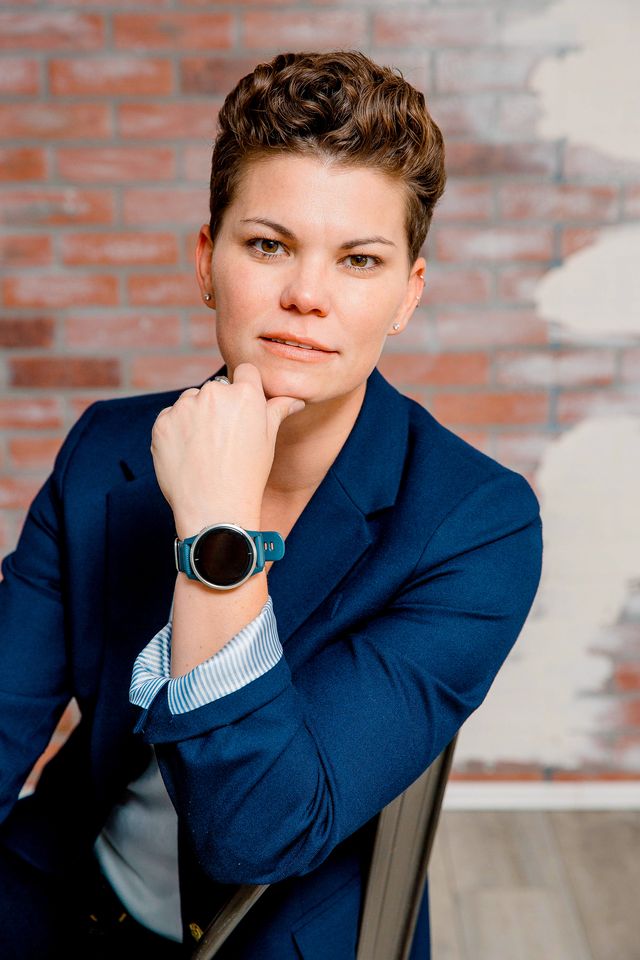
Founder and CEO of Tree Ring Digital
Paige Wiese understands something many founders learn the hard way. Growth without intention eventually collapses under its own weight.
Paige’s journey is rooted in building brands that last, not just campaigns that spike. As the founder of Tree Ring Digital, she has spent years helping companies grow in a way that feels sustainable, human, and aligned with long term vision. Her work sits at the crossroads of strategy, creativity, and leadership, where results matter, but so does how you get there.
What makes Paige’s story compelling is her perspective on responsibility. Responsibility to clients. Responsibility to teams. Responsibility to herself as a leader navigating ambition, expectations, and personal standards. She has seen what happens when businesses chase momentum without structure and when founders confuse busyness with progress.
Paige brings a calm, thoughtful approach to an industry often driven by noise and urgency. Her insights come from real experience building systems, making difficult calls, and learning when to push forward and when to pause. She speaks with clarity about trust, boundaries, and the discipline required to grow without burning out people or principles.
Her story resonates with operators and founders who want growth that feels earned, leadership that feels grounded, and success that still leaves room for a life outside the business.