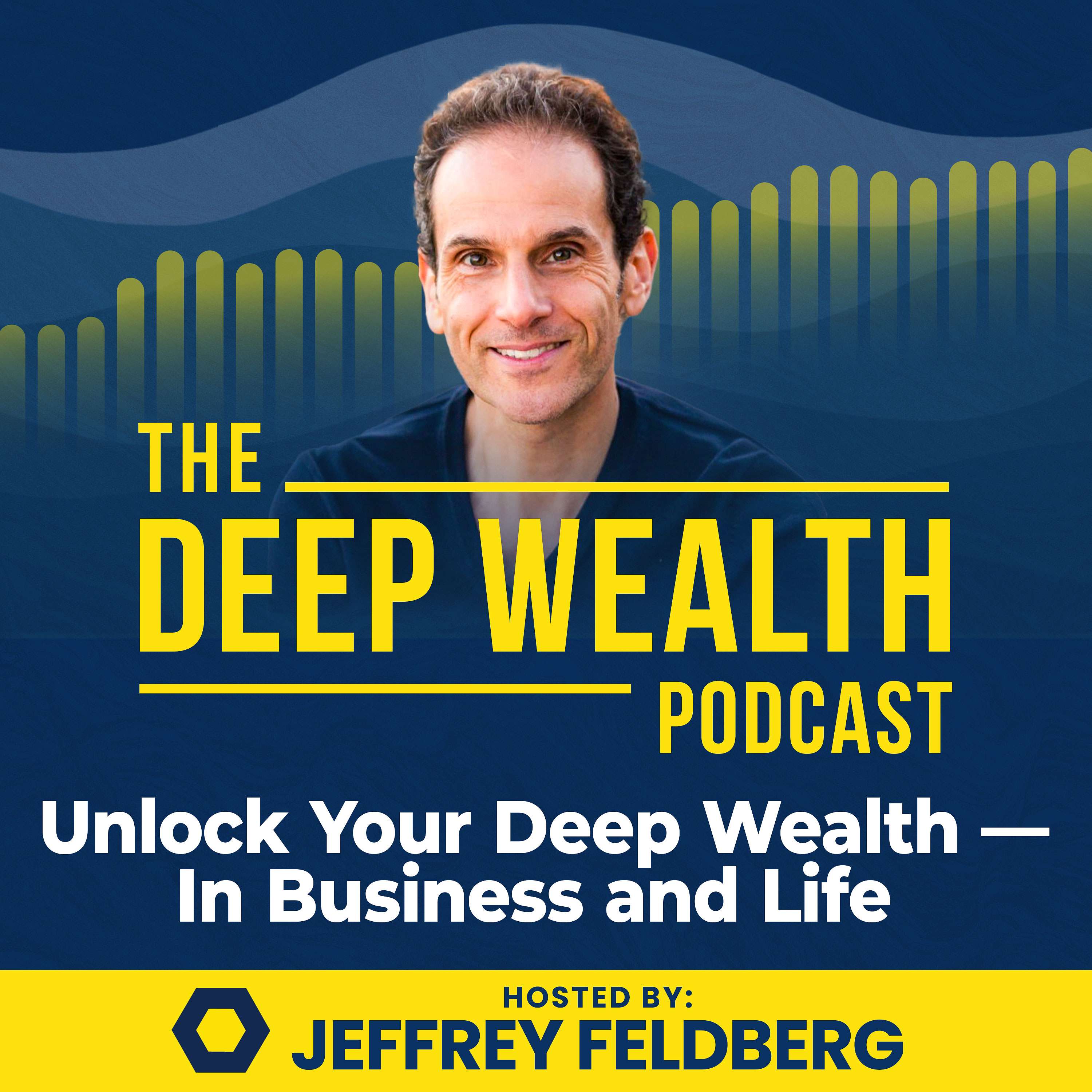


Jason Ott, Herbalist Founder: Silent Habits That Break Entrepreneurs Before Their Business Does (#550)

Send us Fan Mail “Start now.”-Jason Ott Exclusive Insights from This Week's Episodes Founder fatigue, brain fog, and stress are not normal. Jason Ott reveals why silent health habits become costly leadership skeletons before the business feels the damage. EPISODE HIGHLIGHTS [00:05:00] Jason exposes why brain fog, aches, and “normal aging” may be early warnings, not business-as-usual. [00:08:00] The “healthy enough” trap and why a seven-minute doctor visit may miss the bigger founder health pi...
 Apple Podcasts Apple Podcasts
  Spotify Spotify
  RSS Feed RSS Feed
  Amazon Music Amazon Music
  Podcast Addict Podcast Addict
  iHeartRadio iHeartRadio
  Castro Castro
  PlayerFM PlayerFM
  Podchaser Podchaser
  Overcast Overcast
  RadioPublic RadioPublic
  PocketCasts PocketCasts
  Audible Audible
  Pandora Pandora
  YouTube YouTube
 “Start now.”-Jason Ott
Exclusive Insights from This Week's Episodes
Founder fatigue, brain fog, and stress are not normal. Jason Ott reveals why silent health habits become costly leadership skeletons before the business feels the damage.
EPISODE HIGHLIGHTS
[00:05:00] Jason exposes why brain fog, aches, and “normal aging” may be early warnings, not business-as-usual.
[00:08:00] The “healthy enough” trap and why a seven-minute doctor visit may miss the bigger founder health picture.
[00:11:00] Why symptoms are patterns, and ignoring mind, body, and spirit leaves massive health gaps untouched.
[00:16:00] Food as medicine, processed food as risk, and why founders must rethink what they consume under pressure.
[00:21:00] Jason’s daily prevention system, sleep hygiene, hydration, hyper-nourishment, and making health simple enough to sustain.
[00:33:00] The liver as bodyguard, metabolism engine, and hidden bottleneck that can stop healthy habits from working.
[00:54:00] Jason’s biggest lesson: health, disease, and business are processes, not events, so start now.
Full show notes, transcript, and resources for this episode:
https://podcast.deepwealth.com/550
The Deep Wealth Podcast
Most entrepreneurs do not fail.
They just carry too much for too long.
The business grows. Pressure grows faster. Profits get harder to predict. Decisions cost more energy. Over time, focus slips and health takes the hit.
The Deep Wealth Podcast and Deep Wealth Mastery are built from real experience. We're the only system based on a 9-figure exit. This system exists because guessing gets expensive.
🧠 Deep Wealth Mastery
This is for you if you want to:
• Grow a profitable business without becoming the bottleneck
• Build real value so selling is optional, not forced
• Optimize your health before it limits your business and life
One proven roadmap for real decisions.
⭐ Explore Deep Wealth Mastery
https://iapdw.com/idm
🎧 Subscribe
https://iapdw.com/podcast
📘 Free eBook
https://iapdw.com/ebook
💬 Have a question you keep circling back to?
Leave a short voicemail
https://podcast.deepwealth.com/voicemail/
Built by entrepreneurs. For entrepreneurs.
Loved this Deep Wealth Podcast episode?
You built your business from nothing.
Now make it pay off big.
📱 Subscribe Now
As a bootstrapper, every move counts. Subscribe on your favorite platform for Jeffrey Feldberg’s 9-figure exit strategies. From your morning grind to late-night planning, get insights from founders who did it without investors. These tips could change your future.
Drop a Quick Review
Got 30 seconds? Leave a 5-star review. It helps us make better episodes and reach entrepreneurs like you, hustling without a safety net.
Don’t Lose Your Exit (And Your Financial Freedom)
You’ve poured everything into your business. A bad exit could cost you millions. Most deals fail, and even “successful” ones lose half their value. The 90-day Deep Wealth Mastery program teaches you to make your business run without you and boost profits so you capture the best deal instead of any deal.
What Others Say
“Deep Wealth Mastery is pure gold. I wish I’d had it before my exit,” says Stacey C. “The value I’ve gained dwarfs the investment,” adds Sanjay S. “It makes my business great to own and sell,” shares William S.
📘 Grab Free Tools
Check out client success stories for proof. Master the Deep Wealth Strategy Map to plan your exit. Or snag the eBook, From 7 to 9 Figures: The Exit Playbook, for a clear guide.
Click here to start your legacy-defining exit today.
550 Jason Ott
[00:00:00]
Meet Jason Ott
Jeffrey Feldberg: Jason Ott is someone who forces you to rethink what healing really means. Not as a quick fix, not as a protocol, but as a deeper conversation about why the body breaks down in the first place and what it actually takes to rebuild health when the usual answers stop working. His story begins with loss.
After losing his mother to brain cancer, Jason became consumed by a question most people never stop long enough to ask: What really causes disease? That question sent him down a path that became both personal and professional, eventually leading him to found Empowered Prevention, a practice focused on nutrition, lifestyle, herbalism, and personalized healing rather than a one-size-fits-all advice.
Today, Jason is a certified herbal nutrition health consultant with more than fifteen years of experience and 20,000+ hours helping clients [00:01:00] pursue wellness. He's also the author of No Cure, No Problem: The Art of Healing, a book shaped by both his professional work and his own battle with colitis.
What makes Jason compelling is that he does not just talk about symptoms. He talks about patterns, about modern life, chronic illness, false certainty, and the uncomfortable truth that many high performers are praised for lifestyles that are quietly breaking them. His work sits at the intersection of discipline, biology, and self-responsibility, which makes him an especially powerful voice for entrepreneurs, leaders, and anyone trying to build a bigger life without sacrificing their health to get there.
And before we start the episode, a quick word from our sponsor, Deep Wealth and the Deep Wealth Mastery Program. Here's Bill, a graduate, who says, the Deep Wealth Mastery Program has transformed the KPIs we're using to accelerate growth and profits.
Or how about Emry, who says, and I love this, and I [00:02:00] quote, the Deep Wealth Mastery Program helped me create the right mindset for both growing my business and later my future exit. I now know what questions to ask, what to do and what not to do, which is priceless. The team and I have found dangerous skeletons and gaps that we're now addressing due to the Deep Wealth program. Today, our actions have a massive ROI.
Absolutely love that.
And now, speaking of growth and adding value, check out what Bruce says, and I quote, As a business owner, I'm always looking for new programs, systems, CEO peer groups, and strategies to improve my business. Hands down, the Deep Wealth Mastery program is the absolute best. I'm both growing my business and preparing for a future exit at the same time. It doesn't get any better.
And I gotta tell you, as I hear these testimonials, this is exactly why I do what I do. My mission, the team's mission here at Deep Wealth, is to literally change the social fabric of society, one business owner at a time and one [00:03:00] liquidity event at a time.
The Deep Wealth Mastery program, it's the only one based on a nine figure deal. And that deal, that was my deal. You know my story. I said no to a seven figure offer. I created a system that we now call Deep Wealth Mastery and that's exactly what helped myself and my business partners welcome from a different buyer, a different offer, a nine figure deal.
So if you're interested in growing your profits, preparing for a future liquidity event, Whether that's three years away or 33 years away, and if you want to optimize your post exit life, Deep Wealth Mastery is for you.
Please email success at deepwealth. com. Again, that's success, S U C C E S S at deepwealth. com.
We'll send you all the information about the Deep Wealth Mastery Program, otherwise known as the Scale for Ultimate Sales System. Better yet, why not hop on a complimentary strategy call? We'll see where you are at your business and what's standing between you and your financial independence and your dreams.
So that's where you want to be. You want to be with other successful business owners, [00:04:00] entrepreneurs, and founders, just like you, who are looking to create market disruptions, whether you're a startup, whether you've been in business for three or four decades, whether you're manufacturing, whether you're a high tech, SaaS, low tech, whatever the case may be.
Come on in and network with other business owners, with other businesses, just like you, because they all want to lock in their financial freedom and enjoy both success and fulfillment. Again, the 90 day Deep Wealth Mastery Program, it has your name on it. All you need to do is take the next step. Please send an email to success at deepwealth. com.
Welcome and Health Check
Jeffrey Feldberg: Deep Wealth Nation, welcome to another episode of the Deep Wealth Podcast.
Well, Deep Wealth Nation, let me ask you something, as I often ask. When you woke up today, the first moment that you opened your eyes, you were about to get out of bed, how were you feeling? Do you have that spring in your step? Do you have that mental clarity?
Are you ready to conquer the day? Or are you feeling that brain fog, maybe some pain and some aches, and you're not quite so well like you used to be, and you're just chalking it up to "Well, [00:05:00] it's normal. It's old age." I got news for you, it is not. And we're gonna talk all about that today. We have a very special guest in the House of Deep Wealth.
We have a fellow founder, an author, a thought leader, someone who is all about getting you from where you are to where you want to be health-wise, because as we say here on the podcast, our health is our first wealth. So Jason, welcome to Deep Wealth Podcast. It's really a delight to have you with us.
There's always a story behind the story, and you have quite the story. So what's your story? What got you from where you were to where you are today?
Jason’s Origin Story
Jason Ott: Okay well, thank you for having me, Jeffrey. I'm excited about this. especially with-- You said something about sovereign wealth, like our health is our sovereign wealth. In that word, there's critical and that's how my life started. Around four or five years old my mother got brain cancer, and that's the start, and that's not the necess- like the pinnacle.
She beat the cancer, all that, right? And then slowly body started breaking down. So I think we got great systems to keep someone [00:06:00] alive, but we don't have great systems to help them thrive after we get past that sickness. And so the key here is my mom was an identical twin. My mom's twin has never had cancer, is still alive. So fast-forward, I went to school, my first school thinking that I was gonna go ahead and help people with this, help prevent it did a lot of corrective exercise, got into nutrition, coaching that way.
And then I started having high blood pressure. And I was twenty, twenty-one, then I started spotting blood in my stool, and I'm like, "What is going on here?" Fast-forward, eventually led to, after a couple of years, a diagnosis of autoimmune colitis. Went back to school, and that's when I started to realize there are multiple truths especially when it comes to health, and genetics are the starting point.
But genetic expression is really what we're all dealing with to some degree And how we live, what we're, in contact with, how we eat, how we sleep. I [00:07:00] grew up in Michigan did we get exposed to toxins? I had a bunch of heavy metals in my body, and that, water issue there is well documented.
So there's these things that happen that can spur on and create change in a certain way. So this all brought me to this big cusp of I was a caretaker, I was a professional, then I became a patient, went back to school, and became a new form of a professional, so I've worked all three. And what I started to see from there is a very unique perspective 'cause I was thinking outside the box.
And so when I was first diagnosed and was told I'd have this disease the rest of my life, which I do not have anymore it is in full remission and has been that was the first question back to the doctor was can you please explain why my mother's genetic cancer did not also happen the same for my aunt?"
And when they couldn't, I decided to pursue my own path towards healing with my own autoimmune and that's what we are here [00:08:00] today to talk about is what did I discover?
Redefining Healthy
Jeffrey Feldberg: And so tough question to ask, a painful question to ask, but looking back on your ordeal with what your mother sadly had to go through, what you, your family had to go through, what would you share with someone in Deep Wealth Nation right now?
They're hearing us talk, and they're saying, "Yeah, guys, I hear you. Thankfully, everything's okay. Listen, I just had my seven minutes with my doctor. I had my physical checkup, my annual checkup, and doc says everything is great. I have nothing to worry about. Yeah, I'm on a few prescription meds here and there.
Yeah, I'm a little bit slower to get out of bed. I don't quite have the spring in my step, but everything's okay. Doctor says it's all good." What would you say to that person?
Jason Ott: I would first ask what kind of doctor are you seeing? What's their license in? Because their license is dictated around specific metrics, and they gotta stay in those metrics. So if you're gonna just do conventional yeah, in their definition of healthy or healthy enough, sure, you meet that criteria.
But as medicine has evolved, we've had [00:09:00] doctors go, "Wait, this is very shortsighted," and lifestyle medicine, functional medicine, alternative medicine has been picking up. So the first question I would say is what is your definition of healthy, and who are you getting that from? And make sure you have complete perspective.
And I think that was one of the biggest things that I brought into the mix is this isn't an either/or, this is an and conversation. There's no reason I can't utilize Western medicine, make sure I'm not gonna have something fatal happen. But then what are you gonna do after that? Because it saved my mom's life.
There's no herb or supplement that was gonna take a tumor out of her head. You can be as natural as you want, but you got a, a orange-sized tumor in your head. So we needed that to save her life. And too often I see people want to dig in and say they said I was healthy, I'm healthy."
But when you've had something happen, you start to realize, is that the full truth? And so getting... not blaming the person, looking at the system. So when you step away and you start to see the different systems, there's integrative psychotherapy, there's regular [00:10:00] psychotherapy. You start to see that there's things you can do at home.
You can change the way you eat, change the way you live, and we can do this together. So I like to open up that conversation is, do you even know these other types of licensed medical providers exist that can do the exact same thing, but also give you greater scope about all the other things and where they fit in keeping you well?
Because that's what we didn't have with my mom, and what I focused on was, now you're home, how do we keep you? 'Cause my mom passed away at 59 too, which is ironic there, to where that shouldn't have happened.
Jeffrey Feldberg: And people thinking as we're talking about this is myself and Jason, two friends having a fireside chat. Everything that we're saying, this is not medical advice. Always check with your medical practitioner, with a professional before you do anything.
Patterns Behind Illness
Jeffrey Feldberg: And so Jason, all of that said, you've written a terrific book.
We're gonna talk about that. No cure, no problem. It's a tough question. It's not a fair question I'm gonna [00:11:00] ask you because every person is on his or her unique journey and each going through different things. But I'm gonna really refer to Pareto's law, the 80/20 principle. With the work that you're doing, the lives that you're changing, the people that you're helping to get back to basics, back to health, are you seeing some common patterns in a way that, "Yeah, you know what, Jeffrey?
It's interesting because 80% of the people all started off having These 20% of these issues here, that's what caused the problem. Or it wasn't quite 80/20, maybe it was 90/10 or 95/5 or 70/30. But are you seeing some, generally speaking, some patterns that you can share with us?
Jason Ott: is exactly it. The concepts I formed in the book were from the patterns of the patients I've seen gone in remission. And to what you said is this is not neglecting medical advice. All these people were with their doctor and working with me and working with, we might've had a couple other people.
So they were all under medical care. These doctors [00:12:00] just get What I do in nutrition and lifestyle is a essential part of their patient getting well and staying well, right? So they see patterns, I see my patterns, and through this conversation of different professionals with a different expertise, they commonly say, "Hey, I can take care of this, and this, but these are holes.
I can't fix these." And so what's driven me most is I rarely think about the people that I've helped. The people that haunt me are the ones that we couldn't find the key to, or maybe I didn't know the right professional yet, or I knew they had to fill that gap and we couldn't get them there, right? So with that, these patterns there absolutely are, and I think one of the biggest thing is everything is interconnected once you actually go forward to treat and make change.
So mind, body, and spirit, you can't neglect one of those 'cause every physical disease is also a [00:13:00] mental and spiritual component and vice versa. It is impossible to not have it affect another part of your body. Even if I have a digestive condition like I had colitis, it's still going to affect other systems in my body, my brain, my muscular system.
So to only focus on that is to uh, neglect a massive part of someone's health. That's the biggest pattern, is how are you doing everything and making sure you're finding every opportunity.
Root Cause Medicine
Jeffrey Feldberg: It's interesting as you talk about that because the traditional medical system, what we go through here in the US, and this is no judgment, this is no slight against any of the medical doctors. They're doing the best that they can with the tools that they have, the education that they received.
It's interesting, though, how everything is in a silo, and we're not looking at the whole body. And the analogy that I like to give is imagine, Jason, for just a moment, we'll do a quick thought experiment. We have a hammer that is constantly falling [00:14:00] on your thumb. After a few seconds of that, "Wow, I'm in a lot of pain," and you're given, "Okay, Jason, take this pain medication."
Okay, the pain goes away, but the hammer is still there, and the root cause is still what's going on. So it's interesting that in Western medicine, at least, okay, we're not a whole body. It comes down to this one little silo. Let's focus on this one area here. Never mind what's going on with the root cause or what's causing this.
Thoughts about that?
Jason Ott: Conversation and aggressively started reaching out and trying to find other professionals who thought that way. I have my expertise, but I know exactly where my line is and when I refer out, 'cause I can't do it alone. We need people and all of us working together.
So when I started finding, a conventionally trained Western MD who practiced for ten years, and then they said, "You know what? I think I can do f- more for my patients." They go back, they get a functional, medical degree or license or lifestyle medical [00:15:00] license, and then they come back and say, "All right.
Now I can get into the siloed diagnosis. Make sure you're not gonna have some major fatal event, and then once you're stable, we are about to get after the root cause here." So these things in what you're eating or this in lifestyle or sleep, we start chipping away at what those are. Environmental toxicity is a big one.
So I think that's the big spot that I focus on is the people that wanna work together and communicate because they see where they can't help people, and they see where they can, and they wanna fill the gaps for the patient.
Food as Medicine
audioJeffreyFeldberg11803301158: Let's talk about this. And the challenge I'm gonna have with this, there's so much to talk about. We're not even gonna do the tip of the iceberg, as the saying goes. One of my own personal beliefs is that food is medicine. And it's amazing, Jason, whether I'm walking through an airport about to catch a flight, or I'm going through town, I have to go somewhere, meet someone, have a meeting, I'm looking around.
[00:16:00] There is so much food everywhere, yet I feel like I'm in a food desert. And someone from the outside looking in saying, "Jeffrey, what are you crazy? What do you mean? We've got all this food." Yeah, there's a lot of food, but I'm not eating any of it because it's highly processed, all kinds of chemicals in it, and the list goes on and on.
I could actually starve. And so that means I have to be prepared when I go out there, bringing my own food wherever possible or being very selective of what's out there. But for someone in Deep Wealth Nation who is saying, "Jeffrey, what are you, crazy? Come on, there's all kinds of food. How bad can it really be?
How in the world could food be medicine? Last time I saw my doctor, they didn't prescribe food to me. They gave me a medication." So why is food medicine? From a very high level, Jason, for Deep Wealth Nation, what would you say about the concept of food being medicine?
Jason Ott: The concept and really the, factual part came from the College of Lifestyle Medicine. So I think we're up to seventeen, eighteen states now that if you are licensed to practice that medicine, you could have someone come in with high blood pressure, high cholesterol, [00:17:00] and they can give you the option, "I can prescribe you this medication," or, "I can prescribe you this diet, and if you follow it to a T, it will resolve that problem."
So we have a choice, and so what might be your medicine might be another person's poison because of their autoimmune condition or vice versa. So with that, I zoom out and go The average American, 60% now they say, is processed food. It's not actual whole food that is consumed on a daily basis for the average American.
So yeah, you can call it what you want, but if it didn't come out of the earth, and now over f- 50% of our diet we're not even eating real, actual nourishing food. It's fortified, chemical-driven stuff. It can be, but we haven't been taught that. So it can be both, and so when you go to the Western doc, what we first talked about was you gotta know what they're licensed in because if you go to college, and you just get your Western [00:18:00] conventional allopathic degree, you get less than 1% of nutrition education.
They don't learn on how to treat you with nutrition. They learn to refer you to the dietician in the hospital 'cause that is policy in those facilities, right? So it's coming back to it-- are you expecting something from a doctor that isn't even supposed to do it? And so knowing the type of doctor, then you can know what you're actually gonna get from it.
So I wouldn't expect learning about food as medicine if you only get your seven to 15 minutes. But I got a couple functional docs I work with, they take 60 minutes, and they go every appointment, and they go through all that, and then they don't want to do the nutrition 'cause they got medical things.
They get to the point and say, "I know who you need to see. He gets what I do medically. He knows how to integrate. Go talk to him, and he'll lay out and teach you how to use food as medicine with what you're doing medically." So it's like I don't believe in replacing one completely. I think you [00:19:00] use everything you need until you're as healthy as you possibly can be.
Doctor Said Eat Anything
Jeffrey Feldberg: It's interesting, and Jason, just to share a story to illustrate the point. I remember when my father was going through all these treatments, and he saw the top of the top. I'm not gonna name the hospital, certainly not gonna name the doctors. This is one of the top doctors in the area. My father was going through prostate cancer at the time.
And off to the side, I pulled the doctor aside and I said, "Hey, doctor, what can my father eat that could help him with what he's doing?" 'Cause my dad had horrible eating habits. A typical man of his generation, just ate whatever, whenever, and most of it was not healthy. And he didn't give a moment's thought.
He said Jeffrey "Your dad should eat whatever he wants to eat. It doesn't really make a difference,
you know,
with the drugs that we're doing and the treatment that he has, that's what we're focusing on. The food plays no part of it." And I was just starting my health journey back then, but even then, with the very little to nothing that I knew, intuitively it made zero sense with what the doctor was saying.
Thoughts about that?
Jason Ott: Yeah, I got a lot because I think about this often is it, [00:20:00] it-- a half-truth. You're gonna sit here and tell me when you go in and I got high blood pressure and cholesterol, "Watch out for this food. It's too high in this. It's too high in that." So it matters when it's hindering us, but it has no value to help us.
That doesn't make sense to me. to me, it if we can eat something that hinders us, we should be able to eat something that helps promote our health too. But they're essentially saying, "No, it only works one way." So then I go, what form of medicine disagrees with that? And the only time we get told how important food is, we have to have it, it matters on your genes, it matters on you being born healthy, is for a mother who is pregnant and then post-op.
We lecture them about nursing that child, getting the child to sleep, enough water, the right foods. There's food intolerances. Then all of a sudden it doesn't matter anymore. It's like a certain age, they just, "Nope, that doesn't matter. You're good." I find that funny that it matters at the most critical time, but after that, we can do whatever we [00:21:00] want.
Makes no sense.
Jason’s Daily Rituals
Jeffrey Feldberg: And so Jason, if we can make this personal I would love to have a day in the life of Jason. So as an example make this very topical, walk us through a typical day. So today you woke up, what would be some of the things that you are deliberately doing? You no longer think about it. It's become a ritual for you.
You're doing it though because it's for prevention, it's for better health, it's for, yes, health is my first wealth, my sovereign wealth. Walk us through a typical day. What does it look like? You wake up, what happens?
Jason Ott: Yeah. Okay. I'm a pretty good stickler on sleep hygiene, meaning I wanna get to bed around the same time and wake, regardless if I need to. And I always start with hydration. First thing I do is water in the body. I like to start, I'm food first, so a lemon water, lime water. I might have a fresh juice, like celery.
I use a lot of aloe and ginger water 'cause of my colitis. It helps soothe and repair my intestinal tract. And I think the days I don't wanna do it, the [00:22:00] fear and the trauma of what I went through, all I have to do is think of that, and it's not a problem to get down what I need to. After that, because I am an entrepreneur, and I do pack my days full, I wanted to make hyper-nourishment and food as medicine as easy as possible.
So I've come up with a couple different ways to hyper-nurse the body with all the vitamins, all the minerals, all the antioxidants. So I have... I start my day, you'd call it a shaker smoothie, but it's a couple cups of wild blueberries, and then cilantro, the things, behind me you can see. I'm an herbalist, so I actually in the kitchen I'm in now and everything I make that's for my health, I put in there, and that's when I take all my vitamins, that stuff.
So all my micronutrients, the things our organs and our cells need to be as strong as possible, and for me, with my disease, it's specific to me, and I customize that to people, that box is checked. I am not missing a single [00:23:00] micronutrient. So the rest of the day, I can just work and get enough Of the right protein, fat, carbs, whatever that ratio is, so I have enough energy.
And I try to make it that simple because we don't need to have every nutrient in every single meal. Our bodies are meant to collect what we need and have it throughout that day. So for me, that just sets up mentally of like even if I don't get enough that day, I did not malnourish my organs or my immune system and then from there it can change.
So I usually prep and have some food with me during the day, and I don't make a meal until nighttime once I'm home.
Jeffrey Feldberg: Okay, so a few things I'm picking up on. I love hearing that, hey, I have sleep hygiene and deep wealth nation. If you're wondering Jeff, I know about hygiene Sleep hygiene, what the heck is that? So Jason, I presume that for the sleep hygiene, it's having really good habits that most people don't realize the moment we wake up, that's when our night of sleep is starting, because what we do during the day, that's gonna affect us.
So you mentioned going to [00:24:00] bed at the same time, waking up at the same time, give or take a half hour either side of that. Having a dark room, having the right kind of temperature, the right sleeping conditions, not too loud or quiet as can be. Then I'm hearing you say you're having some water, some hydration, and also heard you say having some perhaps lemon juice, freshly squeezed lemons, which I know in preparing for today, that's one of the themes that kept on coming up with yourself and what you're doing.
Lemon Water Electrolytes
Jeffrey Feldberg: So what's powerful about a good old lemon that we tend to take for granted? It's in everyone's kitchen. Hopefully, an organic lemon at that. But why a squirt of lemon to start the day off? What's going on?
Jason Ott: the big thing is I will share, it's awareness. So I feel like we're inundated with you think everything healthy comes from a supplement that someone put in a package, and the latest, coolest thing is everyone needs to supplement electrolytes. Electrolytes came from food, like all the other supplements. So a lemon or lime and a teaspoon of it is [00:25:00] a complete source of electrolytes.
So it's cheaper, it's more natural, plus it's not just electrolytes, it has vitamin C in it, it has mineral salts and other things. So yes, electrolytes are important, but why are we not just doing this from food? So that's one of it, and all the other examples I gave you are the same thing. They all nourish the liver, they all support kidney health.
So they're giving the organs that help clean our blood all the nutrients they need right from the jump. Plus hydration, getting ahead of it. Where did the industry create this product from? 'Cause they took it from nature, and what can we do with that to give it back to the person?
Now, if you don't wanna do that, great. Go buy your supplement, packet. But these things exist, we just need to know they do. The amount of people, fifty, 60, 70 years old, or all the way down to 20, when I say, "You know you can just have an apple, date, lemon, you got all your electrolytes," they're like, "What do you mean?"
As if we forgot this is where [00:26:00] nutrients come from. And so that's a big part of it. It's like we gotta get back to just understanding what the heck food actually is.
Jeffrey Feldberg: Interesting as you're talking about that, and Deep Wealth Nation, when we use the term whole food, which I'm about to use now, this is not the store Whole Foods, it's the actual whole food like an apple or a lemon in this case.
Whole Foods vs Supplements
Jeffrey Feldberg: Jason, what's interesting, and I smile today as science begins to learn of things that were always there but we never knew, and as at least we record this podcast, peptides are all the rage.
When we're eating whole foods, maybe it's an apple like you're saying, or a lemon, or even grass-fed and finished beef as an example, there's natural peptides the way it was meant to be, God-given natural peptides that are now science only finding out what's there. And what's interesting, if you get an honest scientist, the honest scientists are saying, "We don't really know everything that's in the food.
We're still learning what's in there." So your point, get it from nature. Why take it [00:27:00] in a pill if you can get it directly from nature? I am completely with you, but would love to hear your expanded thoughts about that.
Jason Ott: Yeah. You're right, and I think there is more, and one that we don't talk to enough about, and we don't even have supplements for yet, is phytochemicals. And so herbalism, we get deep into the micronutrients. There are so many things we haven't even developed supplements for that we do know, but to your point, there's so much we don't know.
And so that's also... 'cause for me, my spiritual health is what led me to get my physical health back. And so when I got to a point of, all right, look, science hasn't figured it out or there's not an exact answer. You know, You're trying to read between the lines to figure out what path is forward. This is your health.
This is serious stuff. Part of where I went was how was it designed that way for us and what are all the other things that are supposed to be packaged in there? So the whole food side of it is like, I know I'm not doing anything wrong with that, but I'm gonna get everything. But you're right, is people don't know peptides are in many different foods either.
So there's a big lack of the [00:28:00] education of what is in there, and then there's some pushback. You'll... I'll hear this do you think every person wants to eat that way?" No, but I don't think we should exclude them being aware that it's possible Because you deserve the right to choose if I wanna do that diet or just take the pill or peptides.
So that's where I'm at, is like, I would rather educate across all the ways to get that peptide, and then that person go, "This is right for me." We talk about the pros and cons, but it's your life, you do your thing. At least you know if something goes a different way or your situation changes, that's where I approach that, is what are we spending our money on?
'Cause not everyone has a massive budget so how are we gonna get all the nutrients in?
Jeffrey Feldberg: And sadly, if we as entrepreneurs, as founders, we talk about this, not healthcare, but sick care It's a wonderful business model, and I'm not condoning it. For the companies all that follow it, sick care is making them gazillions of dollars. They don't want us to know. They don't want us to know that, hey, you don't have to buy this supplement or take this [00:29:00] prescription med because you can get this from a whole food that's a fraction of the price.
They would rather this is the only way, and someone in a white coat is telling you to do this, and that's really all that you should do. Don't ask, just do and follow what you're being told to do, and we've been trained through social media a-and just the social engineering behind that to follow these rules.
We're not even aware of it most of the time, so I'm right there with you.
Herbalism on a Budget
Jeffrey Feldberg: So let's talk about what you're doing on the herbalist side of things. So what's been going on from herbalist of what you're doing and how that's making a difference on the health side?
Jason Ott: Yes. So I got into that, and I talk about it even in my book, is like I'm not one to make excuses or I'm more to look at what are your limiting factors, and let's find a way, and it might be your only way, and that's how the decision's made. So when I got diagnosed, I didn't have insurance, and when you talk about entrepreneurial stuff the first business launch went okay, but with my medical debt, blew up.
I was in the middle [00:30:00] of restructuring, filing a bankruptcy. So I didn't have money, didn't have the insurance. I had to start where I was at with the budget I currently had, which was food, and I started learning about herbs. As that went through, I realized how separated we are in America, because the whole rest of the world, they will talk at least about them and lead with some of these things first, then give medicine in seventy-five percent of the rest of the world's healthcare.
So I went onto that path, started getting results, started realizing the big difference between the stuff that is food grade, and then there are tons of herbs and things that you gotta be careful with that might be toxic or are short-term use. So what I did is draw a straight line and said, "These are all food grade.
The safety's there. We have numerous studies and let's start pumping these in our body," 'cause they're a fraction of the cost, and they literally nourish organs. So if you've got a gallbladder, if you've got an appendix, if you've got vascular issues, that's what they do.
Herbs Not Hippie
Jason Ott: They don't treat disease [00:31:00] They nourish organs.
So when I start talking about herbs, it's like it's not separate from Western medicine. They do two different things, completely different things. I'm not working on disease. I'm strengthening your body. Over the last 10 years, what I've realized is there's a big lack of awareness, and also it's kind of like looked upon as hippie stuff.
And so I've tried to bring that into of people know about curcumin or turmeric. You got beefy guys in the gym. That's not very hippie. That came from herbalism. So trying to tie that back and take that stigma away of this isn't got to be like that, and we should be able to use this side by side like other places.
No Cure Integrative Health
Jason Ott: But to your point, I think hardest thing I've come up with in this year, really realizing mental mindset around what we've been taught and programmed around our health. And it really is people get weirded out when talk about combining things. It's an and approach versus they're kind of taught like there's one way.
This is the way. [00:32:00] This is the quote-unquote cure. But that's why I wrote my book, No Cure, No Problem. We don't have a cure. So why are we picking one thing? Why are we not layering and using integrative approach of health and wellness?
Jeffrey Feldberg: Yes, it's so interesting with that.
Whole System Sleep Analogy
Jeffrey Feldberg: I want to dive a little bit deeper from a herbal side. Let me use an analogy though, just to set this up for Deep Wealth Nation. So as an example, Jason, I could eat all the right foods. I can be healthy in terms of my workouts. I'm doing all the right kinds of workouts.
I'm doing everything right, yet I don't feel much better. I'm not seeing the muscle come on. I'm not getting the health effects. And lo and behold, back to what you said a little bit earlier, "Hey, Jeffrey, you're a whole system. You can't isolate it from there." And it turns out I have terrible sleep habits.
I'm not getting a lot of sleep. So even though I can check the boxes, eating the right foods, doing the exercise, living a relatively healthy life except for the sleep area, because I'm not getting the right sleep, the results [00:33:00] are not showing up. And so everything's as a whole system. Get the right sleep, then all the other things that I'm doing are gonna start to show up.
And so from that perspective, every one of the organs in our body is important. I want to, though, circle in on the liver. You'd mentioned that just before, and I find even myself, I learn something new each day about the liver, and I am amazed how, again, I can get the right sleep. I can eat the right foods.
I can do the right exercises. I can be healthy. But if my liver is backed up, and it's so easy with the chemicals in the air that we breathe, the food that we eat, our environment, the liver seems to be full of toxic things. It's getting backed up. I'm gonna have some issues. I'm not gonna get the results that I want.
So what can you share with us about the liver and some telltale signs that, hey, it may not all be right with the liver. Doesn't mean we can't address it, but there's an issue here, which is an opportunity that you can know about.
Jason Ott: Yes.
Liver Detox Reality Check
Jason Ott: So this is actually a pet peeve, so I'm glad you brought it up. The liver is a [00:34:00] detoxification organ. It does absorb toxins, but it has a limit like anything else. We change the filters on our car. We change the filters on our home because we have to ensure the thing helping detox or protect us also remains clean there's a shelf life. And since non-alcoholic fatty liver is the fastest growing disease in, America right now because of what you just said, there's rancid fats, there's processed food, there's sugars, there's all the chemicals, the metals, mycotoxins, viruses, all this stuff builds up in that liver. And so there's a big belief saying you don't need to do detox or cleanse.
And so I don't think in that term you gotta go detox. But what is happening to us now because of the junk in our liver, we have methylation problems, and that's just a fancy way of saying this. The system's so toxic that it cannot actually get the nutrient into the organ cell and then get rid of the waste at the same rate So [00:35:00] we start not absorbing, and they call them gene mutations like MTHFR, but we have them in our nervous system, so we have them across the board, hormonal systems.
That leads to understanding your genes in a certain way too, because I agree with you on the sleep. I prioritized sleep hygiene a long time ago because I realized how much it wrecked every other part of my health. But a couple years ago, I found out some very key things looking at all my methylation patterns, not just my liver's, but if I have that problem in my liver, guess what?
For my body, I was not able to get the nutrients into my actual brain and nervous system, so I didn't get quality sleep. I didn't get depth of sleep. I woke up more often, and it all starts back with the liver being able to convert something into an absorbable form first, and it must do that. So the liver is our metabolism, it's our bodyguard, but it's also a conversion [00:36:00] mechanism, and if you can't take whatever you put in your mouth and your liver being healthy enough to turn it into a form with the right enzymes so you absorb it, it's not gonna happen.
So you can spin your wheels, and so that's a little bit higher level stuff after we've checked the box and got all the toxins out of you and that. Those are some things that can be hang-ups, that can be big unlocks for people around your own genetics and also how my mom can develop cancer as an identical twin, and my mom's twin can't.
Born with the same genes, but they express themself differently.
Genes Lifestyle Choices
Jeffrey Feldberg: In Deep Wealth Nation, there are some really important takeaways that are coming out of this. And one of them, you don't have to understand everything that Jason just said right now. You could be saying, "Jason, hey, I hear you. I have no idea what you're talking about." But like I've shared on the podcast before, Deep Wealth Nation, I don't know about my car.
I just go into my car, I push a button, the engine starts, and I drive. Just like when it comes to taxes, I'm not gonna learn the tax code. I'm gonna go to the right advisor, in this case, a [00:37:00] certified public accountant, a CPA, and they're gonna file my taxes. Same thing with your health. Get the right health advisors around you.
Get the right health KPIs. Someone like Jason, who's a herbalist, "Hey, Jeffrey, let's take a look at what's going on with your liver. Maybe there's some things here that we can do." And then the other takeaway that I'm hearing from you, Jason, is, again, very sad, and my condolences with your mother and her passing.
Interesting, though, your mother, her identical sister, they both are of the same genetic makeup, yet our genes don't determine our future when it comes to our health. Yes, we may be predisposed to something, but we're shattering the myths that, okay well, you have these genes, so you are now doomed to a life sentence of fill in the blank.
Not necessarily. It's our lifestyle choices. It's what we're eating or not eating or what we're doing that can really make the difference. So another big takeaway, it doesn't matter, Deep Wealth Nation, what your genes are necessarily. It's what you do with your life and how you're living your life that can really make the [00:38:00] big difference.
Jason Ott: It can, and a good practical example, so three by four or three times for genetics is the company, if anyone wants to Google it. So my genetic predisposition, 'cause this is where it gets a little confusing. This is not a diagnostic test. But when you do my genes, that I have a predisposition for high blood pressure, high cholesterol.
I have a couple cardiac markers, right? I started getting high blood pressure at twenty, while all my friends are partying in college, doing whatever they want, and they're not. Then I started having these other issues, right? So I did get that, and I could not live the same life everyone around me was without the ramifications of what my genes are.
My predisposition. It hit me sooner in life than other people because of this, fast-forward fifteen years later now, I don't have high blood pressure, but guess what? That test still says I got a predisposition, but how I'm living actually makes it show up in my health markers, like when I'm getting diagnosed as healthy.
So I [00:39:00] don't have as much grace as someone else to just, not sleep and go out and have beers and do that. I just can't do it, and that's fine with me. But that is true for all of us to some degree, and you taking the time to advocate, go through that process, and learn just how true it is for you in these different areas, that's something no doctor can do.
There has to be some internal, like conviction and intentional action by the person to take the time to learn these things, which means I have a couple different doctors 'cause I work with them directly with patients too, but I find value from all of them to get the big picture.
They all have great knowledge. I just don't see it as separate.
Radical Health Responsibility
Jeffrey Feldberg: And as you're talking about that, Jason, going through the book, and one of the big takeaways was Jeffrey speaking to himself. Jeffrey, take radical responsibility for you, for your health. Become an active participant in my healing instead of being told what to do or hoping that a doctor is gonna see something.
Hey, they're busy. No one's gonna care about me [00:40:00] as much as me, so I've gotta become the person who's taking the responsibility, being my advocate.
Science Meets Spirituality
Jeffrey Feldberg: And speaking of the book, No Cure, No Problem, I want to circle back to something, and you've mentioned this a number of times. Chapter ten to be specific, The Spirit.
And what I found myself smiling at when I was going through the book, one of the things that you're saying is the scientific benefits of spirituality, which from the outside looking in, what are you talking about? Scientific spirituality, they don't agree. They should be in two separate buckets, two different verticals.
They're separate, they're completely different, yet they're not. And it's interesting what's been going on out there with what science is now finding, and science and spirituality are really melding into one. But that said, Jason, what do you want us to know about the spirit and being spiritual?
Jason Ott: Man, that's a great question, and that was the hardest chapter to put into words for me, honestly, because you're flirting with a lot of emotions, a lot of beliefs. I didn't wanna offend anybody [00:41:00] because I- everyone's gotta make that determination for themself. But I do believe in the truth of living in a way that is with love and forgiveness, and you're bearing fruit of someone changing their life, right?
So the spiritual part for me, that was one part that I felt like... ' in the circles that I work with, I have some very scientific atheist people, they just don't believe it exists. It doesn't matter. Spirit doesn't matter. Or maybe they do believe in spirit, but they don't think mental health matters for any disease or something like that so I was curious if there was actually any data around people who are devout in any religion and mortality rates serious deadly diseases, even longer health span in their life, living longer, having a more quality life. That's where that science piece came from to tie it together of we might not understand that religion or what that person's doing when they're praying or meditation, but we can't deny [00:42:00] the fruit.
So with me is it is a moral compass and principles on how you're living, and I explored the different major religions, which then I tried to summarize in that book that I found more things in common than I did different. And so I came back to the thirty thousand foot view and said, "All right. specifics of Catholicism or Hindu or whatever it is Maybe I can't jive with that exact specific, but I can jive with all these great principles that all of you guys are agreeing on.
And that is where I tried to paint in that chapter of living this way, we've all met these people that are just like, man, they really... They have that aura of love and just generosity about them, and you know it's authentic. There's something true there. And there was... I was not living that way when I got sick either.
I was coping wrong. I was making bad decisions because my belief and what I had faith in was not aligned with a good, positive North Star. [00:43:00] So for me, it's a way of developing what that looks like for you within, and when you get faced with the things in life that we don't know the answer to, 'cause we all come across them throughout our life, that's what faith is for.
Now, however, and whatever that looks like for the person, but how are you gonna take action when you're faced with those moments? 'Cause you've gotta have a way to still take action even though you don't know the exact truth 100%, that is what I try to gather from that, and because of this, we can reap better health and make better decisions.
Jeffrey Feldberg: And so Deep Wealth Nation, I know some of you may not even consider yourself spiritual, certainly not religious. I'm certainly not religious, but I am a man of God. I am certainly spiritual. so be open to that and think about that. There's a whole health aspect to it as well. Again, that could be an entire episode, never mind mentioning it in this conversation.
Daily Reflection Ritual
Jeffrey Feldberg: Let me ask you though, Jason, again, another unfair question. I'll ask it anyways. There's so much that's going on in our [00:44:00] lives, and for a listener in Deep Wealth Nation, when they finish hearing us talk, they're gonna have a meeting or a commitment or something else that they're stepping into. If there's one thing that they can do, pun intended, a low-hanging fruit from a health side that could really begin to make a difference for them, for the better, for better health, any suggestions, anything that comes to mind?
Jason Ott: One thing that I think helped me no matter where I was at, whether it was day one when I was gonna do something or even to this day I still practice it, is I got serious about reserving time for me to process and observe the type of person I was this last week or this last day, and it happened every day.
I don't care what was going on. It can only be five minutes, ten minutes, but the reflection of this is what I wanna be, this is what I actually was, and starting to separate yourself from it. You gotta find a way to get the emotion out and look at your life truthfully to say, "All right, I'm [00:45:00] not showing up the best there what can I do?" Because it's not all gonna happen at once because we do have so many commitments, but putting that in the calendar and everyone in your close circle, my wife, my kids, the people around me, I am going to have that time because I have to else I'm not gonna show up right and you're not gonna like that version either.
But I didn't make enough time to reflect and then intentionally say I would like to act this way next week. And when I started doing that, every little piece slowly starts to add up and come together and you actually can hold yourself into a change.
Jeffrey Feldberg: Absolutely love what I'm hearing. It's so simple not to confuse simple with simplicity. And hey, we're doing this for other people, so why not for ourselves? We're blocking off time. Hey, this is a non-starter. If someone's managing your calendar, Deep Wealth Nation, if you see this block here of whatever you wanna call it, do not disturb or this or that, it is absolutely sacred, [00:46:00] not to be touched, not to be moved around, not to be canceled.
And it's amazing when we begin to do that. It's perhaps hard at first. We start to do that, though, it slowly becomes a ritual, then a way of life, and it's really the best thing for us, particularly as hard-charging founders, type A personalities, it's something that we're not doing enough. So Deep Wealth Nation, block off some time for yourself and make it a priority and do it often and really begin to, hey, do a ten, fifteen, thirty-day experiment.
See what's going on and see what, you know, what those changes are.
Find Your Health Why
Jeffrey Feldberg: And so Jason, is there a question, an important question for you that we haven't yet covered?
Jason Ott: Identifying your why. I know that seems vague, but a deep emotional why. So it, ties to giving yourself like that five or ten minutes to start your day and that's all it was and as entrepreneurs you know it's never done. We're always building something so take that same approach with your health.
It's not gonna just be done where you don't focus on it again. It's not true for your business, your marriage or anything else, we still gotta keep [00:47:00] it top of mind. And so you're gonna not wanna do stuff each day. There's gonna be those days that come up, there's gonna be easy ways you try to talk yourself out of it mentally.
So however you ground yourself in your deep emotional why You gotta figure out what that is because there is a deep emotional why on starting my company, and every hard day, all the times you get punched in the face, all the negative revenue stuff, you keep going, right? That same audacity needs to be hit with the health piece of it.
And for me, I had to figure out what is that emotional hot button that'll make me do it on the days I don't want to, 'cause I know I really do, so my why, and what you said was, it was easier in the beginning to do it for my daughter and the people I loved in my life than myself at that time. That's evolved into greater self-love over the last 15 years, but I kept that top of mind, meaning on my phone screen, put something right there in my car right next to the [00:48:00] speedometer, where I brush my teeth.
I got to that point because I realized no one's going to walk around and remind me, so I have to be annoying to my subconscious mind and program that to always be there. Because that's really what I want, and that's where trying to separate from emotion. Now, that took a lot of work and working with people, but that is so powerful, and a lot of people don't know their why.
They're feeling obligated to be healthy, but do you really want that? And how deep does that go? So taking time, hiring whoever you gotta hire to get to that bottom so you know and you know yourself, man, that has pulled me through very hard times in my life to just not forget that North Star.
Jeffrey Feldberg: And it's so important. We know our why on the business side, or at least we should know our why on the business side. Yet how many of us are doing it on the health side? And Jason, what's interesting as we record this particular episode, myself and the team, we're in the throes [00:49:00] of completing Deep Wealth Mastery Health, and we're going through our 9-step roadmap for health as our first wealth.
And the more we get into it, the more I thought I knew, the more I realized I absolutely know nothing. As I dig into the health side and the findings and what's there, each time I step away saying, "Wow, I knew health was important. I knew that being optimized for health gives me a more profitable business, a bigger business, a better business."
I'm really seeing the impacts of that. So when we get it right on the health side, as great as our business is, it'll be even that much better when we're doing some of the things that we're doing.
Habits Before Results
Jeffrey Feldberg: And before we go into wrap-up mode, Jason, let me ask you I approach you, "Hey, Jason, I heard you on the Deep Wealth Podcast.
Love what you're doing. Yeah, can you help me? Can you help my family?" Or, "Hey, as a company, we are committed to health. Why not help our entire leadership team?" So what's your secret sauce? We're gonna roll back the curtain here. We're now working together. What am I gonna expect in terms of timing-wise? How long does it take?[00:50:00]
I know each person's individual, and it's gonna depend on what you're seeing. But again, generally speaking, what should I expect to see in terms of my health and improvements and all the good things that come along with that?
Jason Ott: So I would say habits are first before the results we want. So, And what I mean by that is if I took something as simple as like weight loss until we get your blood healthy, you don't usually lose a lot of weight. So there's a step before. So whatever the health is, establishing those habits, establishing the non-negotiables daily, that's your foundation that you know no matter how crazy life gets or if it's a holiday, I'm gonna hit those metrics.
Once you have those, they say between four and six months it takes a person to develop those habits and have it become second nature. Some people are faster, some are slower. Once you have those though, the thing that I put into my book was talking about a disease timeline to give someone an estimation.
So we have some rough data out there around any diagnosis that [00:51:00] if it took twenty years of said lifestyle to get to this point of cardiovascular issue or whatever it is, about ten to fifteen percent of you hitting it hard to get yourself back to that baseline is very reasonable. So pending on the intensity a person goes, you got a few months to get the habits in place, and then it varies between a six to thirty-six month process.
If you don't have a diagnosis like autoimmune or cancers, then a year or less you're gonna see some substantial change in health. 'Cause even with my autoimmune Geez the changes I had year one, even though I was not all the way back, were incredible. I was so happy. If I could... Compared to where I was, that was amazing, right?
So it's just you've gotta establish what is the habits that actually move the needle, then it's a lot easier to give that. Because if you never move the needle, then you haven't figured it out yet. You don't have the right habits in place yet. So it's like that [00:52:00] process takes longer than once you have the habits that work, man, change can happen quick because if you go into the cell regeneration process, like there's a reason why blood work is done every three to six months.
Our red blood cells on about a hundred-day cycle, where the old ones die off, new ones come in. Every cell in our body has a different life cycle. Skin is around 30 days. So you have to give your body enough time to regenerate through that process.
Jeffrey Feldberg: And Deep Wealth Nation, as you're hearing this saying, "Oh my goodness, Jason, it sounds like a long time."
Well,
Deep Wealth Nation, let me ask you this. If we're not being preventative, if we're letting dis-ease come upon us now we're talking doctor's visits. We're out of the office. We're not feeling great.
All that productivity that we're being lost, and heaven forbid, we get some kind of dis-ease, not a great place to be, and looking back, it's "Oh my goodness, wow, I perhaps had the chance at preventing this. I was gonna do it, didn't do it, got busy. The time's [00:53:00] passing anyways." Make it a priority.
Back To Future Advice
Jeffrey Feldberg: Terrific words for the wise, and speaking of words for the wise, Jason, we're gonna go into wrap-up mode.
It's a tradition here on the Deep Wealth Podcast. It's my privilege, my honor, where I ask each guest the same question, and it's a really fun question. Let me set this up for you. When you think of the movie Back to the Future, you have that magical DeLorean car that will take you to any point in time. So imagine now it's tomorrow morning.
This is the fun part, Jason. You look outside your window. Not only is the DeLorean car curbside, the door is open. It's waiting for you to hop on in, which you do. You're now gonna go to any point in your life. Jason, as a young child, a teenager, whatever point in time it would be, what would you tell your younger self in terms of life lessons or life wisdom, or, "Hey, Jason, do this, but don't do that"?
What would it sound like?
Jason Ott: The thing I think about is I felt like I had this deep pressure to get it all done and figured out and check the box, and then I didn't have to deal with that again. And so it created a lot mistakes, honestly, to where accepting the process of things. [00:54:00] Even disease is a process. It's not an event.
Your company becoming successful is not an event. It's a process of a lot of things people don't see. And so really getting myself to realize everything in life is that And slowing down to recognize today is not final. So zoom out a little bit and what do I need to do because this is going to have to play out.
I think I was too eager, too bullheaded to get into situations and thought well, if I got that, then I'm good. I can move on to the next step. Even within health at different times. And so I've really worked the last couple of years to realize it'll never be done and accept that and be okay with it. But to your point, don't run your health into the ground, never focusing on it for 30 years until one day you lose your health and then the company starts to fail too.
It's going to be something that plays out and we will have to address it at some point. Everyone will, period. So if I could have told myself those things as [00:55:00] like, you can lie to yourself all you want, but you will have to take these things head on in your life. So start now. Boom. And really understood that because it's like, I really understand that now, but man, that's a hard thing to like really grasp.
Jeffrey Feldberg: Absolutely love that. I'm getting the quick version, start now, and the longer version, start now with the things you don't want to do. You know you're gonna have to do them anyway, so why not start now? It's terrific advice, and we've all been there. And you know what, Jason? You're talking to me, otherwise known as a terrific procrastinator
And I remind myself, "Jeffrey, just start now. You're gonna do it anyway, so do it with less stress. You have more time, and who knows?
Where To Find Jason
Jeffrey Feldberg: Maybe you can even enjoy the process." And so Jason, that said, someone in Deep Wealth Nation, they have a question for you, they want to work with you, they want to get your advice or take their health to the next level, where would be the best place online to reach you?
Jason Ott: Best place would be visiting my website, empowered, E-M-powered prevention.com. I [00:56:00] can work with anyone, whether it's telehealth in person. My main goal is, and you even said something in the beginning, Jeffrey, is hey, we're all going to help each other, is I wanted to create an ability to share concepts so that if someone was five states over, they could get the info and then go find that professional in their city.
So it's less of like, I don't have to be the guy, but I want you to become aware and go find those people because we're going to need them based on what's going on. So empoweredprevention.com, you can reach me that way. All my social handles are empoweredprevention across all social platforms, Instagram, TikTok, And from there, you can either just get some information or set a consult. That's up to you. But the goal is to get going now with where you're at.
Jeffrey Feldberg: Start now. Love it. Get going now with where you're at. And Deep Wealth Nation, it does not get any easier. Go to the show notes. This is all point and click. All the links are there. Pick up Jason's book. [00:57:00] That said, Jason, congratulations. This is a wrap. And as we love to say here at Deep Wealth, may you continue to thrive and prosper while you remain healthy and safe.
Thank you so much.
Jason Ott: Thank you for having me
Subscribe And Closing
Jeffrey Feldberg: So there you have it, Deep Wealth Nation.
What did you think?
So with all that said and as we wrap it up, I have another question for you.
Actually, it's more of a personal favor.
Did you find this episode helpful?
Have you found other episodes of the Deep Wealth Podcast empowering and a game changer for your journey?
And if you said yes, and I really hope you did, I have a small but really meaningful way that you can actually help us out and keep these episodes coming to you.
Are you ready for it?
The dramatic pause. I'll just wait a moment. Drumroll, please. Subscribe. Please subscribe to the Deep Wealth podcast on your favorite podcast channel. When you subscribe to the Deep Wealth Podcast, you're saving yourself time. Every episode automatically comes to you, and I want you to know that we meticulously craft Every one of our episodes to have impactful strategies, stories, expert insights that are designed to help you grow your profits, [00:58:00] increase the value of your business, and yes, even optimize your post exit life and your life right now, whatever you want that to look like.
And every time you subscribe and a fellow entrepreneur subscribe, it's a testament to how together, Yes, we are. We are changing the social fabric of society. One business owner at a time, one liquidity event at a time. So don't let the momentum stop here. Subscribe now on your favorite podcast channel.
You'll never miss an episode. You'll be the first to hear from the top industry leaders, the innovators, the disruptors that are really changing and shaping the business world, and maybe you're commuting, maybe you're at the gym, maybe you're taking a well deserved break that we spoke all about on this episode.
The Deep Wealth Podcast, it's your reliable source for the next big idea that could literally revolutionize your business. So once again, please hit that subscribe button, stay connected, inspired, and ahead of the curve. And again, your next big breakthrough moment, it might just be one episode away. Maybe it was even this episode.
So all that said. Thank you so much for listening. And remember your wealth [00:59:00] isn't just about the money in the bank. It's about the depth of your journey and the impact that you're creating. So let's continue this journey together. And from the bottom of my heart, thank you so much for listening to this episode.
And as we love to say here at Deep Wealth, may you continue to thrive and prosper while you remain healthy and safe.
Thank you so much.
God bless.
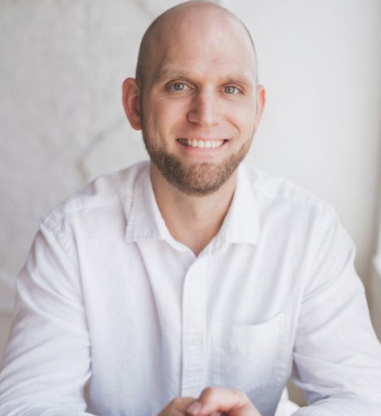
Author / Health Consultant
Jason Ott is someone who forces you to rethink what healing really means. Not as a quick fix. Not as a protocol. But as a deeper conversation about why the body breaks down in the first place, and what it actually takes to rebuild health when the usual answers stop working.
His story begins with loss. After losing his mother to brain cancer, Jason became consumed by a question most people never stop long enough to ask: what really causes disease? That question sent him down a path that became both personal and professional, eventually leading him to found Empowered Prevention, a practice focused on nutrition, lifestyle, herbalism, and personalized healing rather than one-size-fits-all advice. Today, he is described as a certified herbal nutrition health consultant with more than 15 years of experience and 20,000 plus hours helping clients pursue wellness. He is also the author of No Cure, No Problem: The Art of Healing, a book shaped by both his professional work and his own battle with colitis.
What makes Jason compelling is that he does not just talk about symptoms. He talks about patterns. About modern life, chronic illness, false certainty, and the uncomfortable truth that many high performers are praised for lifestyles that are quietly breaking them. His work sits at the intersection of discipline, biology, and self-responsibility, which makes him an especially powerful voice for entrepreneurs, leaders, and anyone trying to build a bigger life without sacrificing their health to get there.


