

Dr. Joseph Luftman Reveals The Invisible Stress Pattern Destroying Your Health & Wealth (#548)


Send us Fan Mail “Take a deep breath and slow down.”-Dr. Joseph Luftman Exclusive Insights from This Week's Episodes Founder stress does not stay private. Dr. Joseph Luftman reveals how invisible pressure can damage health, wealth, decisions, and leadership before the founder notices. Episode Highlights [00:03:00] The founder burnout question most high performers avoid until the body forces the answer [00:05:00] Dr. Luftman shares the shock of a widow maker heart attack without classic risk f...
 Apple Podcasts Apple Podcasts
  Spotify Spotify
  RSS Feed RSS Feed
  Amazon Music Amazon Music
  Podcast Addict Podcast Addict
  iHeartRadio iHeartRadio
  Castro Castro
  PlayerFM PlayerFM
  Podchaser Podchaser
  Overcast Overcast
  RadioPublic RadioPublic
  PocketCasts PocketCasts
  Audible Audible
  Pandora Pandora
  YouTube YouTube
 “Take a deep breath and slow down.”-Dr. Joseph Luftman
Exclusive Insights from This Week's Episodes
Founder stress does not stay private. Dr. Joseph Luftman reveals how invisible pressure can damage health, wealth, decisions, and leadership before the founder notices.
Episode Highlights
[00:03:00] The founder burnout question most high performers avoid until the body forces the answer
[00:05:00] Dr. Luftman shares the shock of a widow maker heart attack without classic risk factors
[00:09:00] The clinic floor moment that made burnout impossible to deny
[00:12:00] Why automaticity keeps founders trapped in unhealthy pressure patterns
[00:18:00] Micro practices that help leaders step out of constant mental overdrive
[00:31:00] How outside noise quietly damages sleep, attention, and decision quality
[00:49:00] The success question that exposes whether achievement is costing too much
Full show notes, transcript, and resources for this episode:
https://podcast.deepwealth.com/548
The Deep Wealth Podcast
Most entrepreneurs do not fail.
They just carry too much for too long.
The business grows. Pressure grows faster. Profits get harder to predict. Decisions cost more energy. Over time, focus slips and health takes the hit.
The Deep Wealth Podcast and Deep Wealth Mastery are built from real experience. We're the only system based on a 9-figure exit. This system exists because guessing gets expensive.
🧠 Deep Wealth Mastery
This is for you if you want to:
• Grow a profitable business without becoming the bottleneck
• Build real value so selling is optional, not forced
• Optimize your health before it limits your business and life
One proven roadmap for real decisions.
⭐ Explore Deep Wealth Mastery
https://iapdw.com/idm
🎧 Subscribe
https://iapdw.com/podcast
📘 Free eBook
https://iapdw.com/ebook
💬 Have a question you keep circling back to?
Leave a short voicemail
https://podcast.deepwealth.com/voicemail/
Built by entrepreneurs. For entrepreneurs.
Loved this Deep Wealth Podcast episode?
You built your business from nothing.
Now make it pay off big.
📱 Subscribe Now
As a bootstrapper, every move counts. Subscribe on your favorite platform for Jeffrey Feldberg’s 9-figure exit strategies. From your morning grind to late-night planning, get insights from founders who did it without investors. These tips could change your future.
Drop a Quick Review
Got 30 seconds? Leave a 5-star review. It helps us make better episodes and reach entrepreneurs like you, hustling without a safety net.
Don’t Lose Your Exit (And Your Financial Freedom)
You’ve poured everything into your business. A bad exit could cost you millions. Most deals fail, and even “successful” ones lose half their value. The 90-day Deep Wealth Mastery program teaches you to make your business run without you and boost profits so you capture the best deal instead of any deal.
What Others Say
“Deep Wealth Mastery is pure gold. I wish I’d had it before my exit,” says Stacey C. “The value I’ve gained dwarfs the investment,” adds Sanjay S. “It makes my business great to own and sell,” shares William S.
📘 Grab Free Tools
Check out client success stories for proof. Master the Deep Wealth Strategy Map to plan your exit. Or snag the eBook, From 7 to 9 Figures: The Exit Playbook, for a clear guide.
Click here to start your legacy-defining exit today.
548 Dr. Joseph Luftman
[00:00:00]
Burnout Wake Up Call
Jeffrey Feldberg: Some people spend years becoming the person everyone turns to only to realize they no longer know how to care for themselves. Dr. Joseph Luftman is a physician wellness advocate and the founder of Saturation of Sound. His work sits at the intersection of medicine, mindfulness, trauma awareness, and sound healing.
But his message didn't come from theory, it came from lived experience. After years of pressure, disconnection, and emotional exhaustion, a life-threatening widow maker heart attack became the moment that forced him to confront what stress had quietly taken from him. Today, his work speaks to something far bigger than burnout.
It speaks to the hidden costs of always being the strong one. Through his book, The Widow Maker's Gift, his workshops and his work through Saturation of Sound, he helps people regulate stress. Restore clarity and reconnect with a deeper [00:01:00] sense of purpose. His story is not just about surviving a crisis, it's about what becomes possible when a breakdown becomes an awakening.
And before we hop into the podcast, a quick word from our sponsor, Deep Wealth and the Deep Wealth Mastery Program. We have William, a graduate of Deep Both Mastery, and he says, I didn't have the time for Deep Both Mastery, but I made the time and I'm glad I did.
What I learned goes far beyond any other executive program or coach I've ever experienced. Or how about Bruce? Bruce says, before Deep Wealth Mastery, the challenge I had with most business programs, coaches, or blogs was that they were one dimensional. Through Deep Wealth Mastery, I'm part of a richer community of other successful business owners.
The idea shared forever changed the trajectory of the business and best of all, the experience was fun. And we'll round things out with Stacey.
Stacey said, I wish I had access to the Deep Wealth Mastery before my liquidity event, as it would have been extremely helpful. Deep Wealth Mastery exceeded my expectations in terms of content and quality.
And you know what, my [00:02:00] Deep Wealth Nation, why they're saying this is because Deep Wealth Mastery, it's the only system based on a nine figure deal. That was my deal. And as you know, I said no to a seven figure offer, and I created a system that we now call Deep Wealth Mastery that helped myself and my business partners, welcome from a different buyer, a different offer, a nine figure exit.
So if you're interested in growing your profits, preparing for a future liquidity event, if that's two years away or 20 years away, and you want to optimize your post exit life, Deep Wealth Mastery is for you. Please email success at deepwealth. com. Again, that's success, S U C C E S S, at deepwealth. com. We'll send you all the information about Deep Wealth Mastery, otherwise known as Scale for Ultimate Sale. That's where you want to be. You want to be with other successful business owners, entrepreneurs, and founders just like you who are looking to create market disruptions.
And they want to lock in their financial freedom and have success and fulfillment.
That's the 90 day Deep Wealth Mastery Program. It has your name on it. All you need to do is take the next step. [00:03:00] Send an email to success at deepwealth. com.
Podcast Welcome And Setup
Jeffrey Feldberg: Deep Wealth Nation welcome to another episode of the Deep Deep Wealth Podcast. Well, Deep Wealth Nation. I know if you're like me and I know you are a type A personality, hard charging founder or business owner or entrepreneur, probably burning the candle at both ends as a saying goes Well, how you doing when it comes to your health and burnout. And when it comes to your mental and emotional health, what's going on there? And you're probably saying Jeffrey, I've had better days. I've been there. I've done that. Not a great place to be. What do you do? Where do you turn? What should you be thinking about? Stop your search. You heard the official introduction.
We have a doctor in the house of Deep Wealth, a very special guest. Joseph, welcome to the Deep Podcast. An absolute pleasure to have you with us. There's always a story behind the story. You have quite the story. So what's your story? What got you from where you were to where you are today?
Joseph Origin Story
Dr. Joseph Luftman: Well, Thank you Jeffrey first for having me on. I appreciate the opportunity to talk to your audience and really uh, share what I've been through, see if anyone any [00:04:00] interesting insights from it. So, Yeah I'll, I'll take you back a little bit. My life was mapped out pretty well for me as a westernized physician in a healthcare system that's, established now for decades. And I experienced a pretty significant burnout in mid-career time. Had a foray into my own entrepreneurial spirit in my early forties, which was quite different from my colleagues and kind of set me aside from most of the people in the world I was working in. Had to do a reset. And in the middle of that had a near fatal heart attack that almost took me away and. Sort of Accelerated the process of taking a look even further to, what my entire life had become, whether it's professionally personally, relationships and financially, et cetera.
At some point, although I was never a writer, I had never written anything down, didn't feel really creative significantly I had some pull to that I can't really describe. It was intuition based to tell my story and see if it resonated with folks the things that have helped me and also the missteps along the way maybe.
Jeffrey Feldberg: Wow. Oh my [00:05:00] goodness so much. There. I've gotta ask you, Joseph, a question, but before I do deportation, I want you to know everything that we're talking about today between Joseph and myself. This is a fireside chat. It is not medical advice. If anything comes up that you're thinking about doing, please check with your doctor or a medical professional.
But Joseph, you're a doctor. And I know when it comes to having a heart attack, for most people, or at least for myself, it's always the other person. It's never gonna be me. It's always the other person. And yet it was you.
Heart Attack In The ER
Jeffrey Feldberg: And so shortly after it happened, or even as it was happening, what was going through your mind?
Dr. Joseph Luftman: Yeah, I mean it really is shocking. And I described that, chapter one in my book, the Widow Maker's Gift. I tried as hard as I could to sit down and relive that moment. It, It took me a while. It took me actually, you know, a year and a half, two years to actually sit and be able to write it in a way where it really tried to capture the emotion of the moment, not just the steps along the way. And I think probably the best description I have is that I was, laying in the er [00:06:00] after I had gotten there and people were. Telling me this is not good and it's serious. And I'm trying to kind of remember what the nurse just told me like two minutes prior and I'm embarrassed that I'm having a panic attack.
And I'm a doctor having a panic attack in an ER and they're ready to send me home. And then remembering, oh wait, just a second ago, they told me my EKG showed that I'm having a massive myocardial infarction. I was trying to sort of portray this sense of. My consciousness was spinning.
it was hard to really ground myself in anything as I was going through it, even though, let's say the knowledge that I have and understanding what was happening in the moment was there, it was being drowned out by this incredible sense of just shock. it was, during that, it was shocking.
I think after it was a real moment of. having to go through its own little grief process of, denial and bargaining and all of those things that we do because it, it really changed my life. it was like free and post and it was its own little death of my ego and things [00:07:00] that I had built up over time.
And all of that took time. I was also convinced, lemme just say this, that. For some reason of several years prior, I was introduced to some healing principles that were outside the realm of Western medicine that I think were brought into my life for whatever reason to help me through that.
And they did. And it did and it's helped buoy me to this day. and so yeah, the book is an exploration of the event. happened after coming to grips with it? And then, the sort of, I guess, journey that I went on to try to understand how a, a pretty healthy guy could have a near fatal heart attack at 48 without any really classic cardiac risk factor.
So.
Jeffrey Feldberg: Ation, please go to the show notes. Click on the link, pick up a copy of the Widow Maker's gift. You'll come out of it a whole lot better than what you came into it.
Reckoning Beyond Burnout
Jeffrey Feldberg: And I'm wondering, Joseph, because in the book as you're describing what you were going through, it wasn't just a medical emergency, if I can use the word reckoning for [00:08:00] you, it was a reckoning.
It was the truth about your life that perhaps you're now whether you want it to or not. It was forcing you to look at a few things with your life that perhaps either you knew or didn't recognize, whatever the case may be, whether it was on the radar or not on the radar, but coming outta that heart attack.
And you talk about in the Widowmakers gift, but what did it force you to confront that? Just burnout in and of itself never would've got you there.
Dr. Joseph Luftman: I think you know, the mental health aspect of our lives, of the way that. Let's say the biases and the way our upbringing was, the people were around religious aspects of things. Our educators, peer groups, right? He puts you in this lane think even if you burn out, I'm not sure, that the recognition of all of the pieces that come together to make you.
In terms of how you think, how you process, the way your ego, handles things, how you handle interpersonal relationships in business, how you're dealing with negotiations, for [00:09:00] example. And a lot of people think the psychology of it is woo woo. That's fine. I mean, they can I found it fascinating to look at all of that stuff, and I think it was. Not to go back and necessarily find blame or start, getting into some process of, I'm gonna forgive this person and not forgive that person. Some people do that, that's fine. Mine wasn't about that. It was just understanding why did I make the decisions I made what, how did this lead me to this point where I talked about it in the book? I'm in the middle of clinic teaching some fellows 'cause I was a sports medicine director. by now they're licensed physicians. They're far along their path and working on their own. They just need light supervision, curled up my, jacket and a ball and taking a nap under the desk.
And, it wasn't until someone showed me the picture that it was like, oh, like I can't deny this anymore. The burnout is like right in front of me. And also. How did I get here? And when, why am I going through this and my colleagues are not, or some of them are, and what's different from mine versus theirs?
So it was an [00:10:00] expansion and exploration above and beyond just, oh this work is killing me. There was turmoil, there was despair, there was a lot of feelings, above and beyond just being exhausted. That I felt needed to be looked at. And, thankfully I started that process before I got sick.
So that and maybe even it, I talked about it in the book and maybe pushed that off a while. I might've gotten sick sooner. But it was somehow incorporating these aspects of things that allowed me to look at, in a more holistic fashion and then you know, try to come up with some, reasonable answers for how I can proceed in a better way in my life.
Wounded Healer Warning Signs
Jeffrey Feldberg: One of the terms in the book, wounded Healer, and as you're talking about that it's this codependency that you're describing about it, and it actually brought me back to an old tale of the shoemaker's children. So the shoemaker in town back in the day was so busy making shoes for the village or the town, or whomever was there.
That his children didn't have shoes because a shoemaker was too busy. And you're talking about the wounded healer. You're so busy healing other [00:11:00] people. I'll get to myself later and as founders, isn't that always the case in business? I've got this business fire over here. Let me deal with that first and then.
I'll be with my family or I'll take care of myself. Yeah, I've been feeling tired. I just gotta do this one other issue. And so from being a doctor yourself and in your situation with your own practice and helping others heal, the principle is really one in the same. So from the wounded healer side, talk to us about that.
What would you want someone in Deep Wealth Nation to really know of? Hey, I went through this and here were some of the warning signs that I simply ignored. Maybe it's different for you, but it's probably similar for you. Here's what I would want you to know. What would you say to that?
Dr. Joseph Luftman: Yeah, great point.
Micro Practices For Founders
Dr. Joseph Luftman: And even more so I'm thinking about it with regard to your audience and the experience I had becoming an entrepreneur. If everyone's doing it I guess I would title it that if everyone's working 80 hours a week and everyone's just I'm trying to manage my kids, but I got this and this, and I'm burning the midnight oil, and I'm like that's just what you do.
That's what you do. If you wanna make it work, that's what you do. [00:12:00] And I think that it's so reductionist, It's easy for all of us to get caught up in that, what I term in the book automaticity of just this is how it's gonna be. Can't really change it. It's what everyone's doing, let it go.
That I think, blinds us from seeing where the red flags are coming because there are some people who are doing that, who are coping well and they cope well and they are successful and they can manage and the relationship doesn't fall apart and they actually have decent relationship with their children and they're building. And there's others where those things are falling off probably. Or they may be drinking too much or they may be popping too many pills, or they may be using other types of addictions or other types of, what I would call destructive patterns
That are eventually gonna catch up with them. And it's differentiating that.
So it, to me, it's about being able to step outside the automaticity, which is what I talk a lot about in the book. In the book. Again it's geared for healthcare workers, but the entire business I'm trying to build. I think it's much more widespread for a general audience for everyone. I think there's pieces in there for everybody, [00:13:00] but I spoke to this just 'cause of, the nature of who I am and the experience I had in, in this specific book. But really it's about, for me, I. And seeing the patients I had taken care of all these years, those who had experienced burnout, all different types of specialties and fields across all areas of our culture. there was a, sort of common themes that popped up as to what gets people in trouble.
I couldn't see it myself, and so I felt okay, I needed to be able to point things out where people can get these identifying, let's say these little. like insights into the intriguing aspects of how things may be going wrong. do you see it? and for me, it built, and we could talk more about it, but it built into this aspect of micro practices, tiny little things throughout the day that hopefully are not gonna bring you out of, I read a lot of books on meditation.
It's great and you can go to retreats and do all this stuff. audience and many people don't have the time. They're not gonna change their lives to go off and become a monk. How do we do it within the constraints of our system and how do we build the things in little by [00:14:00] little that are gonna give us the awareness that, oh yeah, you know what my path is deviating here.
Jeffrey Feldberg: And Joseph, before we talk about some of these, I love how you're calling it these micro strategies that we can begin to use.
Medical Training Missed Burnout
Jeffrey Feldberg: Let's take a step back for a moment and with my next question. There's absolutely zero judgment with it. It's simply an observation. You are a trained medical doctor, you're board certified.
You went through the whole process. You're the quote-unquote white quote white quote that's out there that we see in the commercials or what we think of the word doctor. That's you. That's what's coming to mind when you look at the education that you received when you're being trained to become a doctor, and then once you graduated, and even the education that you got afterwards when it comes to burnout and recognizing these red flags and these symptoms.
Did that even come up in the training, if at all? Or how does that rank, was it even on the radar?
Dr. Joseph Luftman: you know, I trained mostly in the nineties and it was worse 20 years prior to that. But even when I was there there were no limitations on hours. The word residency, which [00:15:00] so many people have heard of from all the shows, the word resident, I put this in the book, came from the fact that, in the fifties, that's what you did.
You were a resident of the hospital. If you were gonna become a physician, you were gonna apprentice. By living there for years, right? Years. I mean, these residencies are right, like three to seven years long, you're gonna live there. if you're gonna have the, this is again the mindset just culturally in medicine and the United States, gonna have the awesome responsibility of putting another human being's life in your hands, then you better know what you're doing and you're gonna give it all up to do that. So, No, the aspects of burnout, the aspects of self-care, the aspects of let me say this. I don't wanna be too hyperbolic. was starting to come to the fore, and it did right near the end of my training, because finally, the A-C-G-M-E, this sort of overarching, regulatory agency looking. Training for residents for doctors started saying, yeah, I think 120 hours of work is maybe a bit too much. Let's back it down to a max of 80 and make sure you're getting home without falling asleep at the wheel and hurting other people. And, you know, those things were reasonable [00:16:00] things.
They were just coming in at the end. So I think that discussion was starting, let's say late nineties, early two thousands, and it's improved since then. But to answer your question back then and earlier than that, for a large portion of the older generation of physicians. It really wasn't in the discussion.
I think it is more now that we can go more in depth into that if you want, but it's better than it was. And I can tell you that from being on the educator side of it that I was for many years I started to implement things and others did too. And I think There is definitely a movement more towards it. And now the current generation of physicians that are in the younger group work-life balance and self-care is parlance to what they're doing. It's a huge part of what they talk about all the time. And so yes it shifted, but prior, not much.
Jeffrey Feldberg: Okay, so it really wasn't on the radar is what I'm hearing. The reason that I'm asking this is oftentimes, and again, no judgment here, just observations for a traditional Western medicine doctor. I'm going for my annual physical, I'm a founder, I'm. Burning both ends of the candle. As the saying goes, I'm just hardcore going [00:17:00] at it that there may be red flags there, but number one, I'm probably getting seven minutes, if I'm lucky, 15 minutes with my physician in the traditional sense, and the red flags may be completely missed.
So Deep Nation has what we're about to talk about next. Please listen and just like when you're hiring an advisor for the business. You're probably gonna get more than one choice that you're gonna be choosing from. As I like to say, one's never a choice, two's a dilemma. It's only when we have three or more that would begin to have some real choices.
But let's get to some of the good stuff because you said from your journey. It really was an awakening for you in the literal sense of the word. And with your medical background and training, you now start going in different directions and you start coming up with some of these micro strategies. And on the health side, to your point, Jeffrey, a lot of people don't have time.
And even if there was something that could help, if it's not the magic pill that they can take, they may not even want to do it. So you found something that has begun to work for you. That [00:18:00] can likely work for others in Deep Wealth Nation. Again, this is not medical advice. This is your own experience that you're sharing.
We're having a fireside chat here. So what are some things that post heart attack on your health have begun to make a big difference that you can share for us?
Dr. Joseph Luftman: thank you for the question. I think it's great and I'm gonna expand as broadly as I can but keep it relatively brief. The quote from Einstein I put in the book I'm gonna paraphrase, but it's basically, I sit down at a desk. grind out equations in my work 99% of the time nothing comes to me, and then I'm silent 1% of the time, and the insights come and again I'm boiling down and funneling, lots of different stories, rhetoric, different kind of, let's say wisdom based teachings over the years from scholarly people and academics and spiritual people.
There is something about being able to step back for even small amounts of time when our brains are going and in, I'm sure for your, the majority of your listeners. Our brains are going, and it's mostly left brain. It's mostly that [00:19:00] intellectual grinding very intelligent, rational side that is just going through problem solving, figuring out, planning ahead, right?
Doing, whether it's whatever aspect of their business that, that they're looking at, and that's for founders and it's for people, grinding for 40 years. Right. Where is the time spent listening, because I think that. I've found time and, doing this research is small bits of whether it's being in nature, it could be in the car, it can be when you're at your kid's baseball game or at a dancer recital for your daughter family event where you're getting a little annoyed. a moment to step away from the drama. To sit with yourself. over the years, I've read a lot of different ways that people have found to do that. I put some examples in the book of what I found. Everyone's free to choose for themselves, but they gotta play around with it. I think what happens is that. Talk about burnout. You talk about the employees [00:20:00] struggling. You talk about AI coming on board and all of these things. the reason I call my business saturation of sound, which is the website where I house everything saturation of sound.com, is because we, and I don't have to prove this to anybody, are in a world now that is absolutely inundated. With sensory information, and I think it's now more than ever that we need a little retro, we need a little step back from it now and then, and I'm not sure people needed it as much in the seventies. They, it was busy. But what are we looking at now? We're a thousand fold. Some people say a million fold more in terms of processing and it's all left brain.
So how do we get to the right brain that I think intuitively. guide us. Doesn't have to be doing art, doesn't have to be doing music. Those things are great, but I think that the creativity, the aspects of intuition, trying to see the signs of what we were talking about, even getting there. to be some type of a break from the craziness of the world right now. And so that's why I built these micro practices and micro strategies [00:21:00] into the book and the things I'm trying to teach on the website and hopefully the little bit that I go around teaching people, but how people wanna do, that's up to them. I can go through some of the examples. I'm happy to do that, but as simple as I what one, I'll give it one example in the book. Doctors and nurses and you know, everyone working with patients goes and washes their hands. I mean, they're doing it between almost every patient. is a moment there, might be five seconds, and it may seem too short, and it may seem like it's not gonna really matter to take a breath back to oneself. It could be the same thing with, you're going through something with your kids at home and you're trying to deal with three emails and you're just like, okay, I'm gonna go grab a drink from the fridge. And while doing that, if you can have some type of a trigger that reminds you need to take a deep breath and just feel my body for like three seconds, it may seem trivial.
What I have found and what I'm trying to teach is I think over time added up, it makes a huge difference. I think that awareness is what starts to build the larger scope awareness of how we're doing. That's [00:22:00] the gist of what I'm trying to get at for people to come back to themselves and see where they're at without disrupting their whole lives.
Breathwork And Modern Data
Jeffrey Feldberg: As you're talking about taking a breath, and I know when it comes to breath, oh my goodness, if we go back to ancient civilizations, breath was front and center and it's really, for me, an old technology that we're rediscovering. What do you think it is about the breath? That even, okay, if I am a medical doctor or I'm washing my hands between patients, I'm gonna do a certain breathing technique, a certain breath.
What is it about the breath that leads for you that began to make all the difference to de-stress, to unwind, to get back to center?
Dr. Joseph Luftman: The data on breath work. So breath work talked about, let's say in the seventies when it was considered woo woo. And this is all stuff that's new age and coming outta the psychedelics and. It's so different now. I mean, we've had just tons of data showing the physiologic responses, the reduction in blood pressure, the improvement in the way [00:23:00] the heart is beating, the way the pattern of the heartbeats go, that translates into reduced anxiety and depression.
Right. So we're taking, I think and this is what I talk so much about that I want to keep talking about. It's again, reductionist to be like they did. Sure they did that in ancient times. They lived till 35 years old. They had huge infant mortality rate that like our technology has gotten us to where we are,
to the greatness of our society. doubt. But there's a lot of suffering going on now along with all the technology that we brought in, right? So I'm living in that middle ground. Can we take aspects of the past of these ancient. Societies like you talked about, who looked at meditation, who looked at breath work, who looked at a certain amount of introspection and say, yeah, it's not like the past where we were just throwing it out there, like snake oil salesman.
We're studying it. Now it's we've taken the modern science that we all want to see and actually put data behind the pieces that so many people want to ignore and say, nah, that's woo. It didn't, no it's coming. These apps, the things that [00:24:00] people are putting in place, use what you want.
I don't wanna name any of 'em, but I think there's something to be said for having a middle ground. Let's use some of the wisdom of the ancients who seem to do pretty well with some things better than us, and keep our technology and keep advancing it and keep doing the things we're doing to improve life. Not, you don't need to go either way. I'm not throwing away western medicine. It's part of what I say in the book. bring it together in a new way because we have some data now. We have some really interesting literature that is supporting how this can support wellness and human beings, and I think it's needed even more now in the crazy times we're living in.
Jeffrey Feldberg: And I'm wondering, and I understand that every journey for each person is unique. We're all individuals. It says it in the word itself, individual. But that said, so you talked about one of the micro strategies. Okay. Jeffrey, throughout the day. I'm making it a ritual for a certain kind of breathing and perhaps the breathing that works for you might be a different kind of breathing that's gonna work for me.
Maybe you're doing the 4, 7, 8, 4 breaths in hold [00:25:00] for seven, eight breaths out. Maybe you're doing the perfect breath, five and a half seconds in no hold, five and a half seconds out whatever it is that it works. So breath was one thing for you.
Morning Mindset Without Phone
Jeffrey Feldberg: In a typical day, I'm wondering, Joseph, what does it look like for you?
What are some of these micro strategies? So you're waking up and you're now starting to go throughout the day. Share with us a part of your day. So you woke up this morning as an example. What were some of the strategies that you're doing? Hey, I'm gonna be speaking with Jeffrey. I want to have my best foot forward.
I'm gonna make sure that I'm doing these rituals to get the best outta my health, which will then have a direct impact and a direct correlation outta my performance. What does that look like? What are some of these micro strategies?
Dr. Joseph Luftman: let me give the analogy of the placebo response. I think
Jeffrey Feldberg: Sure.
Dr. Joseph Luftman: I'm not gonna go in depth into it, but we know that belief in getting better. It seems to be somewhere around the range of 30 to 35% of patients in every single trial. That's done almost without exception, get better. on, let's say a water pill compared to some active thing. So there's something about belief, there's something about positivity that [00:26:00] matters. I'm just gonna leave it there. There's a lot of other data behind positive thinking, I'm gonna pivot from that as the underlying basis to why. When I wake up and I want to grab my phone, think everyone does right now, what's going on in the world? What emails did I get? Did anyone text me at night? You know, What's the weather today? Whatever. Whatever pieces, everyone's just like, let's go. That stops me from doing it for just maybe about two minutes, is if I can have some type of a belief, a strong belief that I can make today good in whatever way. I gotta do this with my, daughter.
I gotta take care of this issue. I'm gonna try to be better with this. I'm gonna try to make my mark in the world today, or, whatever it is that I take a couple minutes before I grab the phone. To set up that mindset. And I do it again with the underlying basis of there's data to support that it's probably gonna help my wellbeing to do this over time. and so it's its own little bit of faith, but I think that it, me in, okay, now I can get about my [00:27:00] day like everyone else is. But I've started it with a sense of not worrying, let's say, because as the world's a little crazy right now. It's easy for all of us to wake up and go, all right URA is it there?
What, which people are dying, who's suffering, as opposed to okay. I can't control a lot of that stuff. What I can control is like my ability to say I'm here for myself today. I'm gonna try and make it a good day, and here are the things I'm gonna try to accomplish and be positive. So power positive thinking, if you want to call it that.
But, buoyed by the sense of, yeah, there seems to be something going on that affects us as human beings that can be, very positive coming out of this when it's repeated, I think.
Jeffrey Feldberg: So lemme try this on for size with what I'm hearing and absolutely love what you're sharing with us. So you're talking about having the right kind of a mindset, being positive and Deep Wealth Nation one of the classic business books, think and Grow Rich. Napoleon Hill, he says it right in there. My inner thoughts become my outer world that I manifest.
And whether [00:28:00] you're a person of God, or you call it the creator or the universe, or quantum physics or the field, they're all really saying the same things. What we're feeling on the inside, what we're thinking, what that emotion is, that's what's gonna manifest itself to the exterior. And so I love how you're now taking that.
Okay. I'm waking up. I'm not pulling up my phone. First thing eyes are open less than a millisecond later to do some doom scrolling to see what's there. It's gonna bring me down in the dumps. I'm gonna have some silence. I'm gonna have some quiet time. I'm gonna try and hold off on that dopamine hit by going on the phone.
Okay? Who reached me? What's going on in the world? I'm hearing you say, I'm gonna hold off on that because I know if I can do that or when I do that. I have a better mindset, and it's putting you in a better frame of mind, better mood. How am I doing with that?
Dr. Joseph Luftman: I love it. I mean, yeah. My wish right now is to have a version two talk with you for an hour about this Napoleon Hill and, everything that I've read. It, it was. [00:29:00] Shocking to me. How much is out there about exactly what you talked about. So there's a lot of quantum physics in my book. There's a lot about these things in the world that, yeah, it's been easy for most of us who are well educated to blow off. Like, Yeah, power positive. Okay. Yeah, I think positive all the time, and then something bad happens, like that's, not gonna help me taking it out of that view into a larger scope view of. Yeah, there's actually quite a bit of authors, literature, research, and data to support exactly what you just said. Jeffrey and so that's where I pivoted, right? I pivoted into this place of like, I can control everything. I'm gonna have my day set up this way, and I know a lot of entrepreneurs do this. gotta have my hand in all of these things and impact and into a place of. I got a certain amount of things I can control. Let's try to prioritize exactly what I'm looking at for that and have a mindset that's gonna take me there without having me burn out, because there are too many things that are gonna be out of my control. And once you get into those, you [00:30:00] start to realize just how little reach you have on some things in life and in our world that we're just not powerful enough to really, get ahold of.
Doomscrolling And Sleep Spiral
Jeffrey Feldberg: Absolutely Joseph, and I'll share with you, I'll put myself under the microscope for just a moment. The frog and boiling water, as I say, and I'm not gonna get into, this, is not a political podcast. I'll simply share that as we're recording this. There are some fairly major headlines, geopolitical right now that's going on, and I found myself getting fascinated with that to the point where.
I was listening to podcasts that were talking about that first thing I would wake up, okay, what's going on? What are the headlines? What's going on there? And I started to notice, I didn't connect the two right away, but I started to notice, geez, my sleep has been in the dumps. I have all kinds of wearables and my sleep is usually a very high score, and it's been going down and down.
I'm wondering well, geez, what's causing that? That's not like me. And I finally connected it. I got sucked in to, okay, what latest articles are out and I'm scrolling and [00:31:00] what's being said now, and I never listened to the radio because it's so negative. I'm listening to the radio, to these different news stations of what they're saying between meetings and calls and in the morning and on my walk that before I knew it, I was pulled right into it.
Now those are the headlines today. It's gonna change hopefully for the better. Down the road, it'll be something else, but I began to ask myself questions.
Control and Anxiety
Jeffrey Feldberg: Okay, Jeffrey. Can you have a direct impact on this? And the answer is no. I can't. I'm a bystander here like most people. Okay? So if I can't do that, how can I still be in a healthy way connected, but not every moment of every second. And it happened so innocently. Yeah.
Dr. Joseph Luftman: Absolutely.
Love the story, our hippocampus and amygdala, our entire system starting out evolutionarily was made to protect us. The anxiety is there to protect us. So we see things escalating like this. Most of us are gonna, not all, but most of us, and many of us are gonna get anxious. It's really impossible to shut that off for a lot of people because it's so [00:32:00] hardwired. Back to a place of, okay it's, I'm not standing in front of a train that's about to run me over in five seconds. That's not happening. My body may feel like it. But I gotta take myself out of the automaticity.
Micro Practices Awareness
Dr. Joseph Luftman: The micro practices come in handy here. see what's going on in the world.
And you're right, it's a little crazy and I don't know what's gonna happen, but I don't have a lot of control over that. Sure. I can make a donation to someone who's, you know, on one side or the other, and I can absolutely go and do those things. But the actual direct impact that any of us has had on, on these world events is limited.
And I think that it's important like you did, to come back to a place of. Seeing it objectively. If you're using wearables, great, maybe it is your sleep, maybe it is heart rate variability that's starting to trigger. Maybe you're not all of a sudden exercising as much as you want. You're not even recognizing, oh wow, I'm not getting what I need in terms of, cardio or other workout and that's impacting me. But something's gotta turn on to be able to tell you that. And I, I, think that's why I told my story so that hopefully. People can see the signs [00:33:00] before they hit, but your story is well founded and I think what I tried to do is just say, look, if you can build these micro practices in, I think you can be able to hear it better.
Jeffrey Feldberg: Sure. And so some other micro practices that you can share and perhaps some that even bridge Western medicine and eastern healing. So the doctor in you to the explorer in you, Hey Jeffrey, when I. Went beyond what I had learned beyond the traditional system, and I found this, I now made it a micro strategy or a micro practice.
Anything else that you can share that's been meaningful for you?
Meditation Made Simple
Dr. Joseph Luftman: You know, I was listening to a podcast the other day and one of the preeminent researchers on meditation. Talked about the fact that data's incredible on it, and it's been so colloquial in our culture now. it's almost been in many ways diluted into just a pop phrase I'm gonna meditate, or It's on the Simpsons, or whatever. Data is there showing that it really improves things and the data is there, showing that almost without the first week stinks. It's hard. You [00:34:00] are more anxious. All of a sudden you're watching your crazy brain because you're trying to be quiet for five minutes, let alone 30 minute meditation. And you're like, God, that inner voice just doesn't shut up. No matter how much you try to focus on your breath. I think it's powerful. So does it have to be done all the time? No. There's data now coming out, showing two minutes. minutes of meditation makes a difference. It's not about going and having a weekend retreat.
You wanna go do that, by all means. It impacted me tremendously. I'm glad I did it, but I don't think it's necessary. But I think a small amount of meditation, a mindfulness type meditation can be very impactful. Lot of different types of meditation. That's one thing.
Break the Autopilot
Dr. Joseph Luftman: Second thing, you're driving in the car, go a different route. I think we all just get into this, like the car's gonna take me this route, or I always go this way. It's incredible when you add in that awareness out of the automaticity, how impactful it can be different, seeing a different place, seeing a different person. All of a sudden, a different sort of thought bubble comes to you just being [00:35:00] in a different sort of environment than what you're used to.
Breaks up the automaticity. Turn the music off in the car. turn it off. Do a little. I mean, you can focus. Most people are automatic enough. They can drive without, you know, their brains everywhere. But come back for a minute to your breathing. Come back a minute to, something in your periphery that you're looking at that you can just focus on.
Think about your seat in the chair for 10 seconds. All of those may seem trivial, but when they add up, they add awareness. And these macro practices over time, I think make a huge difference in awareness in seeing where you are and maybe going wrong.
Jeffrey Feldberg: And Joseph, let's pause there for just a moment because you shared incredibly powerful things and let me share some findings similar to you. I just came across the stats are now, it's staggering that for most people, myself included. 93% of my day is spent inside. Let's think about that for a moment. 93% of my day is spent inside and it's going hard at whatever task we're going and we're not outside, and it's [00:36:00] probably in front of a computer screen.
It's intense. It's tiring. So you mentioned meditation. Absolutely. Love that. I know Nation you're saying. Yeah. Hey Joseph, I hear you. I've tried meditation. I've got the monkey mind. After 30 seconds, I'm just going crazy. Okay, I hear you on that as well. Deep Nation. Meditation can mean different things for different people.
So as an example for myself, Joseph, I do meditation. I do a 20 minute meditation at least once a day, usually twice a day. And I can tell you before doing this podcast interview with you, this is already late day for me. I was feeling tired and draggy and a little bit of the brain fog, all that other stuff's going on.
I did the meditation. It's like I had an eight hour sleep, but that might not be for everyone.
Redefining Meditation
Jeffrey Feldberg: What's interesting, what sticks with me is if you go back to, this is probably in the 1950s, give or take, there's a folklore about IBM and Thomas J. Watson Jr. Who's the CEO of IBM at the time. And the story goes that when he had [00:37:00] intense.
Time at the company. He had to think he was under a lot of stress. He would go into his backyard. He must have lived in the country, and he would move these large rocks around. He would do it for hours at a time. That was his form of meditation. It wasn't him having to go into a cave and be gone for a week.
It was, okay, I'm just gonna move these rocks. It was, think about it, he's outside. It's physical activity. It's a change of pace. He's focusing, he's probably thinking of what's going on at the office, but also on the task at hand. And to your point, hey, get outside. Go for a walk, go for a drive, just do something different.
It changes things up and it gives a different perspective. Absolutely. Love what you're sharing with us.
Dr. Joseph Luftman: Look I think I used other terms because I was concerned about how much meditation has been I don't know, watered
down, Quiet contemplation, silent contemplation, silent, introspection. that can be done. Shooting free throws. You sit there and shoot free throws with the thing that throws the ball back to you. If you can get to a place where you're enjoying that. And you're in a zone [00:38:00] a little bit and you're not focused on, oh yeah, later I gotta do this. And then what are we gonna make for dinner? And, but you're just like, no, I'm just gonna be here with the free throws. not gonna, I'm not gonna judge myself for how many I'm making.
But the free throws become the meditation, the free throws become shooting the basketball easy. Going to hit golf balls. Is it sitting by the river and just watching the leaf going down the stream for two minutes and just as my mind, my monkey mind goes Here. Nope, I'm coming back to the leaf. And just training yourself to get that type of concentration and awareness. Is I think the secret sauce, so yeah, you're right. Can be all kinds of things outside is great. It could be hiking, could be running. think there's so many different ways that people find this, that I've talked to over the years and read about. I think each person has to just take it amongst themselves, but there's certain things, you know, some people it's dance, they get into his own.
That's great. I think it has to be what fits you and that means just trial and error until you find what really is the right thing.
Jeffrey Feldberg: Absolutely. Okay. So for you, you're trying different things. You're giving yourself a break, you're going [00:39:00] outside or changing things up, going for a walk. Other kinds of things that you found incredibly effective for you and why? I'm so curious about this, of taking a looking glass onto your day. Hey, you're busy.
When you're at your practice, you're at your practice, you're busy, you're don't have a lot of time, you're in between a lot of things, founders, same kind of thing, so anything else that you can share for us of what you're doing, even if it's just a few minutes? Yeah. Jeffrey did this for a few minutes, but wow.
Music and Triggers
Dr. Joseph Luftman: I put music on in my
office. I think That was a really powerful thing I learned a while ago. So it's, the music is, for a lot of people, it's in the background and they have it as like, nah, I've got some ambient thing going on that's filling up the space. But the music itself can be the anchor.
So for. Coming in between back and forth, between patient visits into the office, for example. I can anchor to that song. I can anchor up to a lyric or a sound for just 10 seconds. And again, just focusing on that seems to make a difference. And it doesn't have to be anything carried on long term.
Or you gotta sit there I gotta [00:40:00] wait till the song's over. It may be just that little brief piece. That resets you? Oh yeah, I'm me. I'm not that patient who had this complaint or that this one that's suffering or is end stage cancer. And because it's easy to get we're emotional people. We tend to be empaths.
It's easy to get sucked into it. think it brings you out of that. It brings you out of that automaticity by having something. And again, that was the example I used like music that can just. Really anchor you for a minute. Some people will put a red dot on their computer screen now, or they'll change the dots up every couple weeks, like I'm just grinding on that screen.
A lot of people who are just working from home, working remotely, entrepreneurs, oh yeah, the dot reminds me, I gotta like sit here for a second and maybe I'm gonna do a journaling. I'm gonna write two sentences of what I'm feeling right now, or I'm gonna do a dream journal or I'm just gonna sit and meditate.
But the dot. Is the trigger. It's what gets you out of the automaticity. Be like, oh yeah, all i'm not a robot. Let me do this.
Jeffrey Feldberg: Yeah.
Dr. Joseph Luftman: don't know. I can give more examples, but that's kind of what I've implemented.
Jeffrey Feldberg: absolutely love that and [00:41:00] love your coining of automaticity because how often are we just not even realizing it? We just start doing these things, not even realizing it. Just like I remember for the automaticity, Hey, if you drive a car, I don't know about you, Joseph. When I first started driving a car and I started driving stick for my.
First car, I'm gonna date myself a little bit. I was thinking, how am I ever gonna do this? I gotta remember to change gears, put the clutch down, and then not let the car stall. And oh by the way, I gotta be moving on the road at whatever, 40 miles an hour, 60 miles an hour. How's that gonna work? To the point where a very short while later I'm doing all that.
I'm listening to the radio, I'm talking with friends and everything else. It just is that automaticity that we do it. Don't even think about it becomes second nature. Our muscle memory, if you will. Takes over and love how you're talking about that.
Anxiety Insights
Jeffrey Feldberg: Was there, when you're writing the book or even looking back at your own journey, what surprised you the most of who you had become and what was most difficult for you to get back to [00:42:00] the person to trust again, that was back at base or back at equilibrium.
Dr. Joseph Luftman: I used the phrase you don't know what you don't know.
I used it in the context of my own mental health.
Jeffrey Feldberg: Yep.
Dr. Joseph Luftman: did not realize how much anxiety was driving me. just figured, look I'm a busy practicing physician. Um, Teaching. I've got administrative responsibilities, family at home, gotta think about retirement, gotta lease the car, gotta deal with the house and all whatever things that everyone in our culture brings in.
And I'm just like, everyone's stressed about these
things, I didn't realize the impact that the anxiety was really having and how it was shaping the decisions I was making. I think that was. In the process of going through this, the one thing that really imprinted on me and it took being in that awareness to see it, it took sitting by the way, in those first two meditation sessions that I went to, to learn about this, and I learned about it from a medical side of things because I was seeing that some of the research coming out at Harvard, especially with their MBSR Institute was like. Yeah. Meditation's not a woo woo [00:43:00] Indian thing. there is data showing. It seems to be really rewiring our brains. I mean, there's functional MRI studies and blood pressure studies, right? So I'm sitting there going, I should do this for my health. And I can't sit there for more than five minutes without going I gotta get outta here.
This is awful. But to realize, as opposed to many in my circle who said, I don't admit it. I'm not a person for meditation. It is not for me. I can't do this. And I did the opposite. I said, wait a second. I should be able to sit here for a few minutes that like, I need to investigate this more.
Why can't I sit here and do this? thankful for that, because it showed me then along the path of where the anxiety, not just sitting there was, but what my monkey brain was doing and how it was impacting the decisions I was making. And that impacted the entrepreneurial work I did, the medical work I was doing, my relationships and all of it grew from that.
Hopefully that answers your question, but I, think that's what was. The most insightful for me is where the anxiety was driving things. Not that we don't all have some anxiety in our crazy lives right now, but where it's at driving us to maybe some points that are gonna be more detrimental.
Jeffrey Feldberg: [00:44:00] Yeah, it's interesting as you're going through that and when you look where you are right now from where you started, you wouldn't necessarily pick to have that heart attack and begin that journey, but you've gone far and wide and well beyond where you were. So how has it changed you now personally?
Also as a practicing doctor, what does that look like for you now in terms of you welcoming things outside the traditional medical system from the western side of things that, hey, yeah, I'm now welcoming this on the eastern side or the functional medicine side, or from over here on the business side?
What does that look like?
Science Meets Spirituality
Dr. Joseph Luftman: It looks like open-mindedness. It looks like having a larger scope view of the world, the people around us. Having patience with people when I'm driving maybe that guy who's speeding and just cut me off. he's going to get his kid from school and they just called and he's. I don't know what's happening, but I'm gonna be careful to not just jump to something and have an assumption and then have a negative connotation, and I'm gonna let the anger settle down for a second [00:45:00] thinking, oh, that guy just rules the road and wants to do, I don't know what, I don't know what a situation is.
I have no idea. So I think that has been a big part of it. The open-mindedness of seeing the world in a different light, number one. Number two, I think it's been the what I was talking about earlier, There is, I think a way of taking science and spirituality and melding it. We can take the best from ancient cultures that have done this we can keep our current lives and we can meld the two together to improve wellness. and so that's come in multiple different forms. We talked about some of 'em, some are in the book. But I think that just trying to understand how much I really control where I can put my emphasis to do those things. And then the wellness, to be able to keep myself okay so that I stay out of harm's way as long as I can.
And. think that leads to insights. I think for me it's led to insights about just what does longevity mean? What does good life mean? And everyone's gonna come up with their own things for what that means. I'll give the last example. entrepreneurial thing my drive to create an app that was a early days of, [00:46:00] of the iPhone in terms of looking at chronic disease management for orthopedic and musculoskeletal conditions.
It did not exist at the time. There was diabetes apps and other things, but this was early and I had so much momentum and it was going so well, and then because of a series of circumstances very much outta my control, it died. And I looked at that as a failure, and now I don't.
Jeffrey Feldberg: Interesting.
Unprocessed Emotions
Jeffrey Feldberg: As you're talking about that, it brings it back to part of the book where you're talking not only about the stress itself of what nearly killed you, you also talked about it and it's so often overlooked on the emotional side. What was being unprocessed or we're just shoving it back down.
And so from that perspective, whether we're a high performer, we're gonna override the emotional pain or we're just not gonna listen to it. Or if we're a typical man, I'm just gonna silo it, put it off to the side. I'm just not gonna deal with it. Who needs that. So from the emotional side of that, we're not processing it.
What would you share to [00:47:00] Deep both Nation, not only from your journey, but since your heart attack, since writing the book? All of that for the unprocessed emotional side of things.
Dr. Joseph Luftman: I think if it's coming up, it's coming up for a reason. I believe that, I'm not exactly sure the reason for you that it's coming up, if we're ignoring it, I think we're ignoring at our own peril. And what that means for you is different for everybody. And I want to go back to what you said to start off. Today, which was, this is not in place of medical care or other things. There are times when heavy things are gonna come up emotionally or mentally, and you might need to take it to someone. In other words, you may sit and do meditation. have a real moment of, I've had it where I'm like, really sad or tearful or something's overtaking me and I might need to talk to someone about that.
And I think that's okay. I don't think it's a, replacement for, speaking with a professional who may be able to help you understand why it's happening. There's online resources too. People are using AI these days to run it. By the time don't know what you want to do. Whatever you want to do.
I'm not sure ignoring it's the right thing because I think it may be trying to tell you [00:48:00] something. And again, ignoring it is probably at your own peril. And I think what we've seen, again from the stories. Is not, don't take it from me, but the pattern has existed throughout time. If you read enough literature of the number of people that have ignored things that have been presented right in front of them that then come back to bite 'em, two years down the road, five years down the road or whatever that they do the what if I should listen?
I should have, I should have, I should have. So I hope it can be in a different mindset, and I hope the micro practices give the awareness to be able to see that and then work on it, however you choose to do that.
Jeffrey Feldberg: Some great advice, Joseph, is there a question that you and I haven't yet covered an important enough question or possibly a theme or a message that you want to share with you both Nation, before I ask you my final question.
Define Your Success
Jeffrey Feldberg: What does success look like? What does it look like?
It's easy to put it into terms of reading Steve Jobs book or the way that social media has developed the sense of what a good exit looks like, [00:49:00] or how many different offers I get for my business. those may not be yours, they may not be.
They may be on another person's, but it might not be yours. And I think what I saw, at least in medicine, I'm just using that as my example, is. achievers who kept trying to achieve, I need more literature references, I've gotta do more research to get more publications, and then I've gotta become a full professor and then a dean and then and when the grandiosity falls because no matter how many achievements there are, there's no sense of satisfaction. That success is not defined by you. It's defined by others in your environment. so I would point that question out. Have
Dr. Joseph Luftman: Have
Jeffrey Feldberg: I really looked as I'm pushing and pushing for this business and this out and this thing and this, taking care of my family, whatever it is, have I really looked at what success looked like so that if I really actually am fortunate enough to get there, I'm actually gonna be satisfied with it and not think now I gotta go to do this too, because finally I'll be okay if I just do that. Does that make sense? I'm trying to keep it [00:50:00] brief, but I think there's.
Dr. Joseph Luftman: Really
Something to be looked at with regard to what is meaningful for me, not for how other people define it.
Yeah, it's a great message because what I'm hearing you say, Joseph, is you're asking a terrific question. What is success? My goodness, what a powerhouse of a question that is, because your version of success is different than my version. And going back to the frog and boiling water, and with social media or these habits that we pick up.
Maybe our version of success unknowingly is being influenced by what we're seeing or what's being put in front of us, and it's not a healthy version of success. So I absolutely love that you're asking well, what does success really mean? And I suppose, I don't wanna put words in your mouth, but I suppose if we would go back to the Joseph before the heart attack and say would success be worth you having the heart attack?
I suspect you're gonna say, not at all. Not a chance. Let's not even go there.
No, because let me just, I don't mean to cut you off every on paper. I had everything that I had hoped for and I was miserable,
Jeffrey Feldberg: Yeah.
Dr. Joseph Luftman: So no, it wasn't worth it [00:51:00] because I pushed to get to this level of I'm gonna be a leader in this and I'm gonna teach that, and I'm gonna have patients that appreciate me and I'll have a house and in two kids and a car, and the ride, whatever things were defined in my culture as this is what it looks like to be okay in life. I was really struggling. No, I'm, and the answer to your question is no. It wasn't worth it. Now I'm in a better place. I may not achieve as much, I may not climb the ladders as much, but I'm very much at peace with where I need to, what is gonna make me feel fulfilled and be able to hopefully allow me to have longevity in life without getting sick and give to others the way I want to right. Balancing it all out.
Jeffrey Feldberg: Terrific insight, terrific answer. And I want you to think about that as we go into wrap up mode because it's a tradition here on Zeal podcast. It's both my privilege, my honor. I ask the same question to every guest. It's a fun question. So Joseph, here's the question.
Advice to Younger Self
Jeffrey Feldberg: When you think of the movie Back to the Future, you have that magical DeLorean car that will take you to any point in time.
So Joseph, imagine now is [00:52:00] tomorrow morning, you look outside your window. Not only is the DeLorean car curbside, which it is, the door is open and you're now about to hop in, you're gonna go to any point in your life, Joseph, as a young child, a teenager, whatever point in time it would be. What would you tell your younger self in terms of life lessons or life wisdom or, Hey Joseph, do this, but don't do that.
What would it sound like?
Dr. Joseph Luftman: For me, it goes back to the mental health thing. I think I didn't know how much the anxiety was driving me to be successful. And because of that led me on the path where there was really quite a bit of, destructive things that happened including, putting my own health at risk significantly. So I think it's that, I think it's whispering in his ear I know you think everyone is worried like this, but this worry is probably a bit excessive and maybe not give a specific path to how we take care of that. But a little bit of wisdom and insight into the fact that you may be overprocessing more than you need to and overthinking.
And maybe there's some ways of dealing with that can keep you on track.
Jeffrey Feldberg: If you were to put that [00:53:00] into a sentence, what would that sound like?
Dr. Joseph Luftman: Yeah, take a deep breath, slow down. Song I, put in my book by washed out just slow down, relax, take a breath. Let's see what happens. Because the intellectual side was gonna drive me, but I needed the other side to put the restraints or at least the barriers on where it was going and didn't quite have that.
So it's more than one sentence, but that's what I would say.
Jeffrey Feldberg: I absolutely love that. Take a deep breath. Slow down. Actually, it comes full circle. Earlier we're talking about the importance of breath and what we can do and how you made that a little strategy, a little ritual that you're doing throughout the day that really makes a difference.
Where to Connect
Jeffrey Feldberg: And Joseph, let me ask you this.
For a listener, they have a question for you, perhaps even have you talk to them or the team or have a workshop. I know you do these incredible workshops. By the way, love what you call the company, saturation of sound and what that stands for and and where that goes. Whether it's a retreat or they don't wanna burn out or have a keynote where you're coming in and talk.
Where would be the best place online for someone to reach you and get a conversation going?
Dr. Joseph Luftman: I am on social media. I have [00:54:00] everything under the saturation of sound moniker. I do have the the website saturation of sound. I do have a contact page there. You can definitely email. It comes right to me. I'm trying to keep this manageable so that I can get to everyone who needs to, talk in some way, whatever that looks like. And I really encourage people to take a look. I've got the media tab there with some of the other podcasts I've done and some of the things I've talked about and direct links to purchase the book.
Just taking it one step at a time. Goto the website saturationofsound.com and find me and reach out please.
Jeffrey Feldberg: And Deep Wealth Nation, it does not get any easier. This is all a point and click. Go to the show notes. It's all there for you. Joseph, it's official. This is a wrap. Congratulations, and as we love to say here at Deep Wealth, may you continue to thrive and prosper while you remain healthy and safe. Thank you so much.
Dr. Joseph Luftman: Thank you.
Subscribe and Closing
Jeffrey Feldberg: So there you have it, Deep Wealth Nation.
What did you think?
So with all that said and as we wrap it up, I have another question for you.
Actually, it's more of a personal favor.
Did you find this episode helpful?
Have you found other episodes of the Deep Wealth Podcast empowering and a game changer for your [00:55:00] journey?
And if you said yes, and I really hope you did, I have a small but really meaningful way that you can actually help us out and keep these episodes coming to you.
Are you ready for it?
The dramatic pause. I'll just wait a moment. Drumroll, please. Subscribe. Please subscribe to the Deep Wealth podcast on your favorite podcast channel. When you subscribe to the Deep Wealth Podcast, you're saving yourself time. Every episode automatically comes to you, and I want you to know that we meticulously craft Every one of our episodes to have impactful strategies, stories, expert insights that are designed to help you grow your profits, increase the value of your business, and yes, even optimize your post exit life and your life right now, whatever you want that to look like.
And every time you subscribe and a fellow entrepreneur subscribe, it's a testament to how together, Yes, we are. We are changing the social fabric of society. One business owner at a time, one liquidity event at a time. So don't let the momentum stop here. Subscribe now on your favorite podcast channel.
You'll never miss an episode. You'll [00:56:00] be the first to hear from the top industry leaders, the innovators, the disruptors that are really changing and shaping the business world, and maybe you're commuting, maybe you're at the gym, maybe you're taking a well deserved break that we spoke all about on this episode.
The Deep Wealth Podcast, it's your reliable source for the next big idea that could literally revolutionize your business. So once again, please hit that subscribe button, stay connected, inspired, and ahead of the curve. And again, your next big breakthrough moment, it might just be one episode away. Maybe it was even this episode.
So all that said. Thank you so much for listening. And remember your wealth isn't just about the money in the bank. It's about the depth of your journey and the impact that you're creating. So let's continue this journey together. And from the bottom of my heart, thank you so much for listening to this episode.
And as we love to say here at Deep Wealth, may you continue to thrive and prosper while you remain healthy and safe.
Thank you so much.
God bless.
Author / CEO
Some people spend years becoming the person everyone turns to, only to realize they no longer know how to care for themselves.
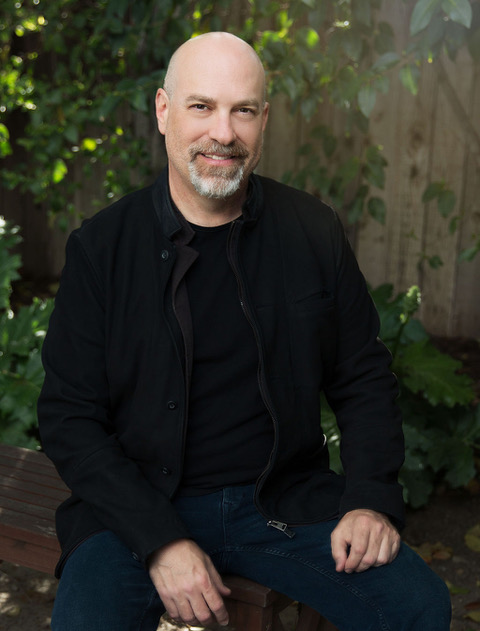
Dr. J. Paul Luftman is a physician, wellness advocate, and the founder of Saturation of Sound. His work sits at the intersection of medicine, mindfulness, trauma awareness, and sound healing. But his message did not come from theory. It came from lived experience. After years of pressure, disconnection, and emotional exhaustion, a life-threatening widowmaker heart attack became the moment that forced him to confront what stress had quietly taken from him.
Today, his work speaks to something far bigger than burnout. It speaks to the hidden cost of always being the strong one. Through his book, The Widowmaker’s Gift, his workshops, and his work through Saturation of Sound, he helps people regulate stress, restore clarity, and reconnect with a deeper sense of purpose. His story is not just about surviving a crisis. It is about what becomes possible when a breakdown becomes an awakening.


