


Founder Craig Ceccanti: Your Business Is Growing. Why Does Your Life Keep Shrinking? (#588)
Send us Fan Mail “Believe in yourself and enjoy the journey.” -Craig Ceccanti Exclusive Insights from This Week's Episodes Your company can grow while your freedom disappears. Founder Craig Ceccanti reveals how founder dependency creates team frustration, growth ceilings, and buyer risk, and why building a business that runs without you changes everything. Episode Highlights [00:08:00] The birthday party interruption that exposed Craig as the bottleneck in his own company [00:11:13] Why capab...
 Apple Podcasts Apple Podcasts
 Spotify Spotify
 RSS Feed RSS Feed
 Amazon Music Amazon Music
 Podcast Addict Podcast Addict
 iHeartRadio iHeartRadio
 Castro Castro
 PlayerFM PlayerFM
 Podchaser Podchaser
 Overcast Overcast
 RadioPublic RadioPublic
 PocketCasts PocketCasts
 Audible Audible
 Pandora Pandora
 YouTube YouTube
“Believe in yourself and enjoy the journey.” -Craig Ceccanti
Exclusive Insights from This Week's Episodes
Your company can grow while your freedom disappears. Founder Craig Ceccanti reveals how founder dependency creates team frustration, growth ceilings, and buyer risk, and why building a business that runs without you changes everything.
Episode Highlights
[00:08:00] The birthday party interruption that exposed Craig as the bottleneck in his own company
[00:11:13] Why capable leadership teams fail when trust keeps the real problems off the table
[00:16:32] The founder ego trap that makes outside systems and experienced help feel unnecessary
[00:19:24] Why the skills that get you to $1 million can fail you on the road to $10 million
[00:22:11] The missing number two that leaves visionary founders trapped in day-to-day execution
[00:24:57] Why owner reliance creates a growth ceiling and becomes a serious future buyer concern
[00:36:36] The success regret founders discover when the business wins but the family quietly loses
Full show notes, transcript, and resources for this episode:
https://podcast.deepwealth.com/588
The Deep Wealth Podcast
Most entrepreneurs do not fail.
They just carry too much for too long.
The business grows. Pressure grows faster. Profits get harder to predict. Decisions cost more energy. Over time, focus slips and health takes the hit.
The Deep Wealth Podcast and Deep Wealth Mastery are built from real experience. We're the only system based on a 9-figure exit. This system exists because guessing gets expensive.
🧠 Deep Wealth Mastery
This is for you if you want to:
• Grow a profitable business without becoming the bottleneck
• Build real value so selling is optional, not forced
• Optimize your health before it limits your business and life
One proven roadmap for real decisions.
⭐ Explore Deep Wealth Mastery
https://iapdw.com/idm
🎧 Subscribe
https://iapdw.com/podcast
📘 Free eBook
https://iapdw.com/ebook
💬 Have a question you keep circling back to?
Leave a short voicemail
https://podcast.deepwealth.com/voicemail/
Built by entrepreneurs. For entrepreneurs.
Loved this Deep Wealth Podcast episode?
You built your business from nothing.
Now make it pay off big.
📱 Subscribe Now
As a bootstrapper, every move counts. Subscribe on your favorite platform for Jeffrey Feldberg’s 9-figure exit strategies. From your morning grind to late-night planning, get insights from founders who did it without investors. These tips could change your future.
Drop a Quick Review
Got 30 seconds? Leave a 5-star review. It helps us make better episodes and reach entrepreneurs like you, hustling without a safety net.
Don’t Lose Your Exit (And Your Financial Freedom)
You’ve poured everything into your business. A bad exit could cost you millions. Most deals fail, and even “successful” ones lose half their value. The 90-day Deep Wealth Mastery program teaches you to make your business run without you and boost profits so you capture the best deal instead of any deal.
What Others Say
“Deep Wealth Mastery is pure gold. I wish I’d had it before my exit,” says Stacey C. “The value I’ve gained dwarfs the investment,” adds Sanjay S. “It makes my business great to own and sell,” shares William S.
📘 Grab Free Tools
Check out client success stories for proof. Master the Deep Wealth Strategy Map to plan your exit. Or snag the eBook, From 7 to 9 Figures: The Exit Playbook, for a clear guide.
Click here to start your legacy-defining exit today.
588 Craig Ceccanti
Jeffrey Feldberg: [00:00:00] There's a dangerous moment in entrepreneurship where success starts hiding the very problems that could eventually break the company. Craig Cecanti knows the moment firsthand. He co-founded Pino's Palette from a single Houston studio and helped scale it into a nationally recognized franchise with more than 150 locations.
From the outside, it looked like the entrepreneurial dream. Inside, Craig was wearing eight different hats, working 60-hour weeks, and slowly becoming the bottleneck inside the company he worked so hard to build. That realization changed not just how Craig ran a business, but how he thought about leadership itself. Pinot's Palette ultimately completed a successful exit, while Craig went on to build and advise other companies, launch technology ventures, teach entrepreneurship at Rice Business School, and became a professional EOS implementer and certified exit planner advisor.
Rice Business School also [00:01:00] recognized him with its Industry Excellence in Entrepreneurship Award. Today, Craig has a fascinating perspective few advisors possess. He's been the founder with the vision, the operator responsible for execution, and the leader forced to confront the uncomfortable truth that sometimes the person standing in the way of the next stage of growth is the founder.
His story raises a powerful question for every entrepreneur. What if working harder is no longer the answer?
And before we start the episode, a quick word from our sponsor, Deep Wealth and the Deep Wealth Mastery Program. Here's Bill, a graduate, who says, the Deep Wealth Mastery Program has transformed the KPIs we're using to accelerate growth and profits.
Or how about Emry, who says, and I love this, and I quote, the Deep Wealth Mastery Program helped me create the right mindset for both growing my business and later my future exit. I now know what questions to ask, what to do and what not to do, which is [00:02:00] priceless. The team and I have found dangerous skeletons and gaps that we're now addressing due to the Deep Wealth program. Today, our actions have a massive ROI.
Absolutely love that.
And now, speaking of growth and adding value, check out what Bruce says, and I quote, As a business owner, I'm always looking for new programs, systems, CEO peer groups, and strategies to improve my business. Hands down, the Deep Wealth Mastery program is the absolute best. I'm both growing my business and preparing for a future exit at the same time. It doesn't get any better.
And I gotta tell you, as I hear these testimonials, this is exactly why I do what I do. My mission, the team's mission here at Deep Wealth, is to literally change the social fabric of society, one business owner at a time and one liquidity event at a time.
The Deep Wealth Mastery program, it's the only one based on a nine figure deal. And that deal, that was my deal. You know my story. I said no to a seven figure offer. I created a system that we now call [00:03:00] Deep Wealth Mastery and that's exactly what helped myself and my business partners welcome from a different buyer, a different offer, a nine figure deal.
So if you're interested in growing your profits, preparing for a future liquidity event, Whether that's three years away or 33 years away, and if you want to optimize your post exit life, Deep Wealth Mastery is for you.
Please email success at deepwealth. com. Again, that's success, S U C C E S S at deepwealth. com.
We'll send you all the information about the Deep Wealth Mastery Program, otherwise known as the Scale for Ultimate Sales System. Better yet, why not hop on a complimentary strategy call? We'll see where you are at your business and what's standing between you and your financial independence and your dreams.
So that's where you want to be. You want to be with other successful business owners, entrepreneurs, and founders, just like you, who are looking to create market disruptions, whether you're a startup, whether you've been in business for three or four decades, whether you're manufacturing, whether you're a high tech, SaaS, low tech, whatever the [00:04:00] case may be.
Come on in and network with other business owners, with other businesses, just like you, because they all want to lock in their financial freedom and enjoy both success and fulfillment. Again, the 90 day Deep Wealth Mastery Program, it has your name on it. All you need to do is take the next step. Please send an email to success at deepwealth. com.
Deep Wealth Nation, welcome to another episode of the Deep Wealth Podcast. Well, Deep Wealth Nation, when you woke up today, let me ask you a question, and be honest. Be honest with me, but more importantly, yourself. How did you wake up? Were you happy? Were you feeling frustrated? Were you feeling I know where I wanna go, but how do I go from here to there?
I have so many dreams and aspirations, but I'm not quite sure how to put that into place"? Great news, today is your day. We have a very special guest in the House of Deep Wealth. We have a fellow thought leader, a podcast host, a founder, entrepreneur, you name it, he has done it. Craig, welcome to the Deep Wealth Podcast.
An absolute pleasure to have you with us. There's [00:05:00] always a story behind the story, and wow, you have quite the story. So what's your story? What got you from where you were to where you are today?
Craig Ceccanti: You got it. Hello, Deep Wealth Nation. Thanks for having me on, Jeffrey. Yeah, my story I'll, I'll give you the abbreviated version. Tech consultant, kind of computer science guy. Louisian- grew up in Louisiana. Did business school here in Houston, Texas, in Rice University, and met a professor there that just changed my life.
Dr. Al Napier became a mentor of mine as well, and we started my first business. It was a silly idea. It was a painting class. You drank wine there. And that's how we start businesses, Jeffrey, in Louisiana. We just add alcohol to it. And so this thing just took off over time, and we franchised it, grew it to 150 locations in kinda like six short years.
And an important part on the way, we had made a mess of it. Working 60-hour weeks, six hats. It was running our lives, or at least mine for sure. I had a co-founder in all of this, and along the way we found EOS, hired [00:06:00] an EOS implementer, and it, really changed our business from it running us to us running it.
And since then I've done some other venture-backed startup. It was a mobile ordering app inside of stadiums. You could order a hot dog and a beer and a jersey, and it'd be delivered right to you inside of stadiums. we raised about $7 million, hoping to find an exit soon, so I'm a board of directors there.
I also served as a president in a large engineering services company in a turnaround project. We also had a venture capital arm, so I was serving as kind of fractional CFO in the, in venture fund. And then as of late, as of a year almost to date in September I've been working as a EOS implementer, really working to pay it forward.
I've been put on this planet to really help other entrepreneurs hopefully avoid some of the scar tissue I've seen along the way. And so that's my quick story. Also, probably more importantly, family. Three beautiful kids, twins and a young boy, and just an incredible wife that has supported me through all of this stuff.
Jeffrey Feldberg: I love the story. [00:07:00] Pinot's Palette, even the name has a nice cachet and ring to it. So let me ask you from one founder to the next, this is just as easily me as it could be you or anyone listening from Deep Wealth Nation. From the founder's side, it's almost like that frog in boiling water. We have this inspiration.
We have this great idea. I'm gonna solve this problem. By the way, I love the problem that you solved, and in the beginning, everything is great. We are slaying those dragons every day, and we're making a difference, and the business is growing, and that's where the drift begins to happen. The business grows.
We're getting more customers. The problems are growing exponentially, and one day, I know in my case, one day I just woke up many years later, where am I? Who am I? Why am I doing what am I doing, and do I even want to be doing this? Was there a specific moment in your journey, Craig, that stands out, hey, something isn't right.
I didn't realize it until now, but I'm just not happy. I want to do [00:08:00] something about it
Craig Ceccanti: Yeah, there were two real specific moments. We went up this hockey stick. Like you said, it's all fun and exciting, especially when you got this growth, you got these amazing tailwinds behind you. And one moment was, I remember it very specifically, my twin girls had a lot of health stuff going on, and we were celebrating their third birthday.
We had rented these baby horses to come out that they could paint on them. We had really made a big deal, 'cause just getting to that third birthday was a big deal. And I got a call. The horses were there, party's about to start, and I get a call that our whole technology system has crashed. And so I have to leave the party and go attend to this thing.
And that was one moment where I was like, "Oh my goodness, I am the boiling frog. This is not fun at all, and I have to do this. I have to find a way to do this differently for myself, for my family, and for the business ultimately." I was a bottleneck that shouldn't have been there. The second one is I've been an adjunct [00:09:00] professor at Rice University, and I had a guest speaker that came out and talked about the shifting job of the founder and that the game changes.
His analogy was you start off as a golfer, it's just you. Then it's double tennis. You got a little communications on the court. It goes to pick-up basketball. You put the big guy up top. There's like, "I'm open." And now, all of a sudden, you're graduating to football, which is very systemized. You got special teams, you got fast people, big people.
And it opened my eyes to, oh my goodness, we are a pick-up basketball team playing on the football field every Sunday, and we're getting wrecked. And so those two moments really opened my eyes to I've got to start to entrepreneur much differently to unlock this business and take it to the next level, but also to enjoy some of it, have some fun myself.
Our tagline was, "Paint, drink, have fun," and the have fun was not happening at home, and probably by a lot of the people surrounding me at headquarters. So that was a big pivotal moment, an [00:10:00] eye-opening moment
Jeffrey Feldberg: And so you're going along, you're doing this, you realize, hey, can't do this on my own. Let me get some help. You go down the EOS side, which later, interestingly, you've become part of the whole EOS, and you're now helping other founders with the EOS system and in doing all of that. And so let me ask you whether it was on your own journey or the countless founders that you've helped since then, it's one of my favorite questions.
It's a bit of a general one. It's a powerful one, though. So if we look to these two fancy words, Pareto's law, which most people know as the 80/20 principle, 20% of my customers are generating 80% of my profits, or it might be, this would not be a good thing, 5% of my customers are generating 95% my profits.
But let's stick with 80/20. Is there the same pattern that you're seeing? Yeah, you know what, Jeffrey? When I'm working with the founders, whether it's through the [00:11:00] EOS that I'm doing or I'm just mentoring them, it's this pattern here or these three issues over here that are creating the majority of the headaches for most founders.
What would come to mind?
Craig Ceccanti: I would say the biggest thing you know, entrepreneurial operating system. So I drank the Kool-Aid and getting to work in the session room with many different leadership teams. Teaching EOS is one part. Anybody interested in look at, like look into it. But I think the other piece of it that's critical is the health of the leadership team.
We're all fans and probably have read a lot of Patrick Lencioni, and he talks about being smart, being able to make plans and tackle issues, but being healthy is the thing that doesn't get enough attention. But if I had one to pick to choose to spend time with a team on, it's healthy, and what we mean there is getting really deep, vulnerable trust, so we get open and honest conversations.
'Cause most of the time the team is very capable of solving the problems, but they're not on the table. Someone's [00:12:00] holding back. We have a CEO or a leader that maybe people are afraid of, and they need to get that dialogue and feel comfortable to start to open up their language. So that would be my 80/20.
They're really good at solving problems, and many times they're just solving issues, whack-a-mole over and over again. And if I can get them to healthy, then they really start to step change their businesses
Jeffrey Feldberg: Interesting because offline we're talking just about that, that for so many out there, we as a founder or y- just really society in general, we get put into these different silos, and people treat it like, "Oh well, Jeffrey, you're just in this silo here. Deal with this one part." But we don't recognize not really, no one is a silo.
We are a being, a whole system, and so if something's going on the business side, it's probably gonna spill over onto the personal side. Or to your point, if something's going on with the health side that we're ignoring [00:13:00] or we don't even see, it's likely spilling over onto the business side. So it's this one ecosystem where it's interdependent, and we've got to be on top of these things.
So for a founder who probably like the younger Jeffrey, just too young and naive and too stubborn to want to say, "You know what? I really need help. I'm going to ask for help and reach out for help," what are some of the telltale signs as a founder in Deep Wealth Nation maybe it's a feeling, maybe it's a business symptom, maybe it's something else going on in my life that, hey, time out, let's get some help.
Let's get another opinion here to see how we can move this forward. How could I tell?
Craig Ceccanti: Yeah. One of my favorite quotes from my mentor, Dr. Napier, who I've mentioned, is you're gonna pay for experience one way or another. You're either gonna pay for it upfront or you're gonna pay for it through lost money, revenue, scar tissue, one way or another. So man I think [00:14:00] one piece that's really important is just what I recommend is take time throughout the week to just sit by yourself and think big picture.
Really remove yourself from the business. In the world of EOS, we call it a clarity break. But put away the phone, just sit with a notepad, and start to ask yourself the questions, what's the big picture of what's going on? Get in touch with your feelings. Work through the head trash 'cause as entrepreneurs, we deal with a lot of it.
We build it up. We start to think our-- and second-guess ourselves. Did I say that the right way? Was I right by being tough on this employee or team member, or was I too soft? And so sitting with yourself and really thinking about the big picture, that will also enable you to if you're anything like me, who is a do-it-yourselfer, I'm a builder, I'm just a go-figure-it-out kind of guy, it also makes you think, "Hey, what's the quicker way here?
What's the way to do this that's not the normal Craig way?" And that is doing it all yourself and going to figure it out. What expert can I go [00:15:00] hire to unlock this or at least go and chat with? There are so many incredible entrepreneurs that wanna pay it forward, and they're happy when you call. They're...
It's not a burden to them. Please reach out to me. I'm happy to chat with anybody. And a lot of times they don't have your answers, but they know someone to go call that probably will have their answer, or they know a resource, they know a book you need to read, and it just speeds everything up when you reach out.
You take the time to think about the big picture, and then you reach out to people for help something every great entrepreneur kinda knows how to do or learns how to do pretty quickly
Jeffrey Feldberg: As you talk about that, you're taking me down memory lane and very early on with my e-learning startup brought on this head of IT, really interesting fellow, marched to his own drummer. But he had this one saying that to this day stuck with me, and it's, "Jeffrey, you can pay me now or you can pay me later.
You will always pay." And Craig, to your point, how are you gonna pay? Is it gonna be an aggravation in time? Is it going to be [00:16:00] money? But you'll get there quicker because you're bringing on board someone who's been there, done that, as the saying goes. Even yourself in preparing for today, you can say, Jeffrey, on base or off base, you were very resistant to EOS in the beginning, and then eventually you hopped on board and obviously you liked it because you not only went with it, but then you went in both feet first.
You jumped right in and now being the EOS integrator and helping other companies with that. But would love your thoughts on that of, hey, pay me now or pay me later, but you're gonna pay.
Craig Ceccanti: I think a lot of times when we really dig into the source of the resistance to this, Jeffrey, it is ego. A- and that definitely was my case. Craig operating system works better than this thing, and I will just humor it for a little while, and yeah, luckily I had a co-founder that was steadfast in it. We need to do this differently and better.
And yeah, once it started to really work and I drank the Kool-Aid, and of course that stuff just works. But getting your [00:17:00] ego out of the way, especially when you're talking about fast growth, right? You're talking about venture capital. Going from one to 50 or 100 million within seven years, there is a time where if you've done your job well, you've worked yourself out of the CEO role.
You're not capable to run a company. Or maybe you can, but there are better people they have better capacity to do that. And at that point, you really have to take your second job as a founder and build a company and make decisions for the greater good of that company, 'cause you're you're not just building product anymore.
You've passed that phase, and that's the time to really take a step back and say, "Am I really the right person to continue to run this company? Do I have a better role in head of innovation or wherever my expertise lie, and step out of the way?" Having your ego in check along the way I think helps everybody understand when are those right times and inflection points to consider how can they impact that company for the greater good?
Jeffrey Feldberg: And [00:18:00] talk about that very specifically, I'm thinking of a few different groups within Deep Wealth Nation. So one is a startup group, and in their mind, oh, if I can just get to that million dollars in revenue. And then I'm thinking of another subset within Deep Wealth Nation where, yeah, I've been there, done that on the million, been there, done that even on the five million.
They're now approaching the 10 million or beyond. what I found in Founder to Founder was at certain thresholds, and it may not be the million dollars, it may not be the $10 million it, could be slightly below, slightly over. When the business crosses that threshold, whatever profits we were making, we can say goodbye to that because we're now reinvesting in our people, in our system.
So what worked for us in startup mode, whether we're bootstrapping, whether we have some outside capital coming in, the game changes because now it's different people, it's different systems, it's different technology. Although technology is far easier [00:19:00] today than it was, Greg, when you and I were getting going.
Craig Ceccanti: Oh, yeah
Jeffrey Feldberg: But for someone who has been down that path, what would you tell someone in Deep Wealth Nation of resetting their expectations of, yeah, when you get to that next level, be prepared for whatever it's going to be, because it's probably not what you think, and it's gonna take a whole lot more capital and different kinds of people and systems that you likely don't have?
Craig Ceccanti: there is a very specific thing that happens. You know, The first job of a founder is build a product, take it to market, drive that demand. Getting to that one million ARR, that is job one. It's gotta happen. And the first five or 10 people you hire to get that done are gonna be very different than the next 10 people.
At some point, that threshold gets crossed, and you have to know when it's coming, or else it's gonna be very reactive. It's gonna be very painful, is having some assessment to say, "Okay, when does this start from stop from product building founder to company building founder?" [00:20:00] And that shift, very few founders can cross that gap.
The ones that are aware and that can start to switch that talent and they have those capabilities, they can continue to build that company, bringing in experts early helps. Bringing that head of marketing that's done it before, that goes from one million to 10 million or beyond is going to be a key piece of that.
But understanding, acknowledging the gap, knowing that there's gonna be a time and place, depending on the velocity of the company's growth, that you might not be the right CEO for this company anymore. And that takes a lot of self-awareness and understanding, and obviously having good advisors around you that are open and honest, and team members that can share with you so you know when to get out of the way or, "Hey, I'm still good here.
I just need some more help. Hey, you can take this from 10 to 100, but you need these three things," and knowing where those weaknesses are that's what's really gonna make for success in the growth and scale [00:21:00] stages.
Jeffrey Feldberg: And as we're talking about that, you know, I could talk in EOS language with the visionary and the integrator, but for someone who's not familiar with that, let's just speak more high level. And so Craig, when you and the team now are coming in to help a business, and it could be someone in startup mode, it could be someone who's already been around for quite some time, they're still doing it on his or her own, and it's the Craig operating system or the Jeffrey operating system, and now it's time to, hey, that's great, but let's take you, the founder, out of the mix.
Let's help you get to those goals in a healthier, more, use the word effortless kind of way. What does that look like? What is some of your secret sauce? So we start working together today. How long does it take? And I know it's an unfair question. Jeffrey, it depends where the business is and where they are.
But generally [00:22:00] speaking, what are you doing that, again, let's look at some of the more common patterns that you're seeing. What are you doing and what does that look like when I begin to work with you?
Craig Ceccanti: Yeah. So EOS is built on a model, and I won't go deep into that, but we gotta get aligned around a vision. We gotta get the right people in the right seats. We've gotta get good data to make decisions on facts and figures. We gotta solve issues. We gotta have good process in place, and we have to build accountability.
That's the six components. So we're working to strengthen any company in these six key components. Typically, the first three, vision, people, and data are first to attack, and we get some big gains from it. Speaking of the visionary and integrator, and just for anybody, our visionary's our big picture thinker, 20 ideas, creative problem solver big relationship type person.
Our integrator's trains on time, okay? In a lot of companies, when they grow, they're 10 million in revenue, they're 20 million in revenue, that founder is typically the visionary person. They're the big idea person, but they have [00:23:00] not installed a number two, most people call it a number two or a COO, that's just worried about trains on time.
When the visionary's doing trains on time, they're naturally a little bit more chaotic 'cause they're an idea person and they've got a new shiny object. I'm sure we've all worked with a CEO or founder that's been like that, to unlock the company, and also they become a bottleneck. So to take this company to the next level, we get that relationship right by getting that big idea person paired with a trains on time person, so visionary, integrator, and that takes them, that dynamic duo allows them to be a gas pedal and a brake to really win the race and go to the next level.
So a lot of the teams that I start working with, on day one we work on what's called an accountability chart. It's an org chart on steroids. And we identify, hey, you need an integrator. You need a number two so that you can be thinking big picture, and they can be worried about the day-to-day. And [00:24:00] that is probably one of the biggest benefits to getting something like that in place because they become a dynamic duo and allow the founder to stop being that bottleneck and go back to doing what they do best, which is thinking long-term, future vision, big ideas that are gonna take this company from 10 to 100
Jeffrey Feldberg: And so the founder mindset-wise, which usually doesn't show up on the profit and loss, but it actually does because when we get the right mindset, it goes in the right direction. And if we don't have the right mindset we can go all different directions, probably where we don't want it to go. What would be some of the biggest changes that are ahead for the founder?
Founder doesn't have to do it. That said, if it's not done probably not optimal results. So you want optimal results, here's what you can consider looking to modify or update or change along the way. What would that be?
Craig Ceccanti: Yeah, I think starting to build that company, the systems, and we talk [00:25:00] about exit at some point. We're also thinking about how do we make this valuable for an exit? Of course, anybody buying a company is gonna care, and one of the biggest line items they're looking at is owner reliance. We have to shed that, and typically a company's gonna be held back.
They're gonna hit a ceiling. "Hey, we're just stuck at 13 million in revenue. We've been here for four years." It's because the founder's just become a bottleneck, and the 60 hours they're putting in, there's not another 60 hours to give. They're not building extensions of themselves, and they're not typically great.
We can't all be great at everything. They're not typically great at process, keeping trains on time in general and they're trying to do that, but it's not working well. And the team's typically fairly frustrated by it, and these are typical frustrations when you grow a business. I know it was that case for me is my people are upset.
They don't quite understand the role. Craig's walking to my office with a new shiny object to chase every few days. I don't know what a good job is anymore [00:26:00] because I was doing this, now I'm late on that. I've got new thing to chase every few days. The founder's probably bringing a new management system in every 90 days.
Let's try this, let's try that. KPIs, scorecards, OKRs. It's all just coming at you. So I really think that founder has to understand it's a new job now, and part of that's putting systems in place so that a company can become efficient, streamlined. We have data that's not shifting around us, and we can work within a system that can grow, which allows that founder to be unreleased, to release, to be the gas pedal for new ideas and innovation for the company
Jeffrey Feldberg: And let's talk about that because you brought up the word exit and you've had a number of them. I've had exits along the way, and I can share with you what I never knew about, and that's why offline I share and we have the Deep Wealth 9-step roadmap. It wasn't nine steps, so we reverse engineered some of [00:27:00] our biggest failures and put that into the system.
Really step zero is the day after the founder has an exit. It could be a full exit, could be a partial exit. Maybe you're bringing some investors or maybe you're completely out. I know for the post-exit Jeffrey, I never prepared for that. So in other words, similar to your story, I was the company was me, and I was focused on, "Let me just cross that finish line.
Let me get through the exit. I'll figure everything else." I did figure out everything else, but it was a day late, and it was painful because I didn't know who I was, and my routine, thanks to a non-compete, completely changed. Some friends I had to stop associating with because I didn't want to hurt them through the non-compete.
So the day after the exit was a game changer for me in a lot of ways, not all of them in the best of ways. Would love to hear firstly your thoughts on that for yourself, and then looking back [00:28:00] and then looking forward, speaking to Deep Wealth Nation, what you'd want them to know.
Craig Ceccanti: Yeah, I think preparing for, when we say an exit, a transition, and I'm sure your Deep Wealth program hits on a lot of these components, and I've learned it the long way. I wish I had access and had gone through it myself because I had a two-week transition. A lot of people have a two-year, right? It was two weeks, and then all of a sudden I was left sitting there looking at the bank account thinking, "What do I do now?
What am I about?" Because I've been about this for 13 years. It's been everything. I walked the halls of Rice University. It's the Pinot's Palette guy. And so now uh, you gotta go create this new identity and to prepare for that is very important because it can become really depressing. After you buy the pool or the house in Denver, you're gonna start to hang out.
you're gonna fill that time and passion with something. Maybe it's drinking. It can get real dark real quick, so I encourage, and I'm on a EO roundtable, [00:29:00] so we require now anybody thinking about exiting has to present a personal plan. Not the money, not the business stuff, not your financial plan, but what are you gonna do with your life and how are you gonna feel value?
And a house in Denver cannot be the answer. It's gotta be something much more than that, otherwise you're gonna walk through the desert and it's gonna be painful. That's ultimately what I did for two or three years before I found my calling and why I'm on the planet to do what I'm doing now. And I think getting ahead of that, at least having some big ideas, some, maybe some tent poles of, hey, I love these things, and really honing in on the things you love to do, the things that make you passionate, make you jump out of bed in the morning, the things you can also make money on and can see yourself doing.
Almost the analogy I used is skipping lunch. When you're, like, looking down at your watch and it's 3:00 and you're thinking, "Oh, I didn't even think about lunch," that's the thing you need to go do a lot more
Jeffrey Feldberg: And for someone in Deep Wealth Nation [00:30:00] who's hearing us talk, what would be some low-hanging fruit that, yeah, you know, "Jeffrey, Craig, I've got a long runway ahead. I'm not talking months or years, I'm talking decades where I'm going to exit. I don't need to think about this." I would beg to differ. That said, though, what could a founder do who's already probably maxed out time-wise and energy-wise to prepare for a day they can't even envision seeing?
But whether you see it or not, everyone has an exit. Sometimes it's a final exit. No one plans on that. We don't want
it. Heaven forbid, we'll put that off to the side. But at one point, there's always an exit from the business. Maybe it's the next generation or another opportunity, or who knows what comes along.
In your experience now, both with yourself, also with the founders that you're helping, what could they do to begin to prepare for that post-exit life whenever that comes? And by the way, it may not [00:31:00] even be the post-exit life. It could be, "Hey, Jeffrey, I'm working with you now. You're too involved. I'm gonna give you back your time you never knew you had.
You're only gonna spend five hours a month in the business, so what are you gonna do with the rest of your time?" What could I begin to do to prepare for that?
Craig Ceccanti: One big piece is grow a network. This is something that I've just generally gravitated to, is building communities. And I think the more network you have, the more business owners, find the time to go meet other business owners, reach out to people, build relationships in your city or town, because when the day comes, whatever dragon you're slaying, whether it's in the business, selling the business, trying to transition out of the business, that network are gonna be the people that are gonna go and give you a hug, a chest bump.
They're gonna give you maybe a pep talk. they're gonna give you that nurturing and care and love I mean, a real network, not just someone you bump into here and there. that group is so critical [00:32:00] because we don't know those things, and you're gonna need a beer once in a while.
You're gonna need a coffee talk. Where should I go? Hey, what do you think I'm really great at? We need to find our unique abilities of what are we truly great and unique at. And sometimes you have blind spots, and that close network of friends and entrepreneurs are gonna be the one you're gonna need to tap into.
So that'd be my one piece of advice is just go build that, and then when those crossroads come, you're gonna have 100 friends to go call that'll give a shirt off your back because you've been doing it for them for the last 20 years. And whatever challenge you have in front of you, you're gonna get through it
Jeffrey Feldberg: Deep Wealth Nation, it is simple advice, but don't confuse simple with simplicity. And Craig, I absolutely love that I didn't do that, and today particularly I can get on my social media soapbox and bandwagon, and we're not gonna do that. We are the most connected we've ever been. We're also the loneliest that we've ever [00:33:00] been, and I can share when we have others in our circle who are true friends and nothing to do with business, but we're laughing together, spending time together, wow, what a difference it makes.
And there's that saying, "It's lonely at the top." It is. It doesn't have to be. And so building that network, love what you're saying because I know looking back, it took me a while. This did not happen overnight. And to find the right people and to say, "Yeah, we got the chemistry," and enjoyed that. Deep Wealth Nation, it's terrific advice, and where do we begin to build that network, especially if I don't want it to be in the business world?
Because I'm doing that all day long. I'd like a change of pace, a breath of fresh air. What worked for you, Craig? What would you recommend?
Craig Ceccanti: Yeah, I'm an introvert by nature w- when I go to a networking event, my, tactic is just find one or two people to have an hour-long conversation with. Maybe they're another introvert, and just go a little deeper into that, build a [00:34:00] deeper relationship, follow up, invite them to lunch, invite them to golf, find some things in common.
Those are the people... and then show up year over year. A lot of the people that I can call on to deal with these challenges are people I've known for 15, 20 years. So get started, especially if you're early on. They're also people you can call for all the shortcuts versus figuring it out yourself.
You call those people. Other great places, obviously your school, if you're an alumni of somewhere, typically there's tons of events. Volunteering, volunteering at church, volunteering at alumni associations, volunteering all over your cha- local chamber. These are great places to get to know new and unique people.
If you've got kids in school, go get involved there. These are all places where I fish a little bit to continue to build and add to network. I find that a lot of people hesitate to reach out and ask for a mentor. I don't think that happens formally enough, and just reach out and say, "Hey, I would like a mentor."
Maybe they're a [00:35:00] life mentor, maybe they're a business mentor. I think there's friendships to be had everywhere, and if you're an introvert like me, I think the easiest way is just go around and be curious. You're not selling yourself. You're not selling anything. Just go be curious about the things that interest you, whether it's business or hobbies.
Ask a lot of dumb questions. I'm great at that. I'd say that's one of my unique b- abilities, and you'd be surprised how many friends you can make that way
Jeffrey Feldberg: And as we're talking about that, offline we were talking about the F word, fun. Let's have some fun. Let me use another F word, and you referenced this earlier, one that's too often overlooked, especially in business, it's family. And Craig, what's interesting, I've had countless guests on The Deep Wealth Podcast, very successful, I'm so blessed to have them on, and like you, like me, they've had their own journeys, incredible journeys, and the one theme that I've heard, "Jeffrey, along the way I've alienated family.
It was for a business deal or a [00:36:00] transaction. I can't even remember what that transaction was about. Couldn't even tell you. But I lost the family member along the way, maybe fell out of touch. Then when I want to reach out, it was either too late or they passed away or whatever the case is going to be. I missed that opportunity."
And they have regrets, and I know along the way for yourself, there was a point in time when I was preparing for today and learning about your story, something was going on with the family side that you didn't like. Talk to us about that and then what you've done since realizing that.
Craig Ceccanti: Yeah, I've made plenty of mistakes here. I think that we get so caught up in the grind of chasing that next milestone, maybe it's a million dollars in ARR, maybe it's some point of EBITDA being sellable to private equity, that we do forget what our real first team is. And again, back to Lencioni we, think the first team is our leadership team.
We're driving these business goals. The real first team is, is our [00:37:00] family in whatever capacity that is, as well as our spirituality. And yes, people that are anxious to achieve we just lose it. And I think one of my biggest regrets through the last 13 years is just not taking the time to smell the roses, enjoy the journey, and that comes in just skip out.
there's a Friday where you can leave those 15 emails in your inbox, go pick up the kids from school early, take them fishing, get your wife, bring her some roses. They're there, and they're gonna be there after all the business stuff goes away and the podcasts go away and you're not in the newspaper anymore.
They're gonna be with you celebrating your birthday, and they're your real first team. Again, both your spirituality, your God, your family making sure that you don't misprioritize that in life, and I did. I think a lot of us do, and sometimes it takes a good friend, back to the friends in the network to call you on it sometimes.
And maybe it's a, a spouse [00:38:00] that has that open and honest conversation with you as well, 'cause they're always trying to pull you back in. you come up with 1,000 excuses why you can't or you need to miss that baseball game. It's just not worth it. You're gonna exit your business, and you're gonna regret it, so just don't do that.
You can do both. Get a control of your business. Put a system in like EOS. working 60-hour weeks. work the 30 or 40 hours a week. Get the team in place that needs to be there, and then have run the business. Don't let it run you, and enjoy your life along the way.
Jeffrey Feldberg: It's some great advice, and to your point, what gets measured is what gets done, and most business owners have KPIs. If they don't have KPIs, let's have that conversation with you yesterday, not tomorrow. Let's get that going. That said, though, on the family side, you're absolutely right, because I know putting myself under the microscope, when the family knows what I'm doing, why I'm doing what I'm doing, what a difference it makes, and it's also, at least for myself, I [00:39:00] found it's accountability of, okay, yeah, my family's always gonna be there.
I'm gonna take them for granted. I can skip that, and I'll come back another time. I've played that game. I've lost every time until I made the conscious decision, not a chance. I'm a father, family member, son, what-whatever it's gonna be first, and then the business is gonna come after that. And I know easier said than done, especially in startup mode or especially if you're in a rebuilding mode.
I, I get that. We have responsibilities and financial responsibilities. I, I understand that as well, and there's seasons for that. Big picture-wise, though, it is easy to overlook and to take advantage of the situation until it's too late. Any more thoughts on that or some additional insights for Deep Wealth Nation?
Craig Ceccanti: Yeah, I think it's like you said, it's simple to say not easy to do. It takes real conscious effort, and I go back to those clarity [00:40:00] breaks. it's a perfect time to sit and say, "Do I have my priorities right?" And that includes the business, what's the big picture, including your family and your real first team and all of it.
And I think just another tip that helps me, when there's things that I don't like to do or often overlooked, we're living in a world of AI. It's not that hard to build an AI agent to say, "Hey, go look at my calendar. Go look at my emails. Where am I spending my time? Am I carving enough time for my family?"
It can do these things now to poke you and say, "Hey you're missing the boat here. You're spending too much time in this category or that category," which is kind of a neat little tickle to make sure you're not overlooking the big picture
Jeffrey Feldberg: And speaking of AI, or as I now have been told, super intelligence, not artificial intelligence, talk to us about that. What are you seeing? And beyond the headlines and all this doomer talk which follow the money, that's a whole other episode of, in my opinion, why that doomer talk is there. [00:41:00] It's, to me, overinflated and it's nothing like that.
People have their own agendas. We're not gonna get into that. It's such a positive upside with super intelligence, otherwise known as AI. What are your thoughts about that? What are you seeing that you can share with Deep Wealth Nation of what you'd want them to know?
Craig Ceccanti: Yeah, as a lifelong technologist, I've really just really gone down the rabbit hole like, over the last 12 weeks. I've been resistant to learning a new thing. I, I didn't want to learn a new thing, another piece of technology. It's mostly what I've done my career. And I think it's fascinating how accessible it is to build pretty simple things to make your life better.
No different than a lot of other technologies we've seen come in and out, and I think that's all for the good. I'm staying optimistic that we're not gonna see the Terminator come anytime soon, or hopefully I'll be long gone before that comes. But I think it has an opportunity to enrich our lives if used responsibly.
Like any powerful thing or tool we [00:42:00] have to be responsible with how it comes into our lives. No different than social media that can really be a doom scrolling negative thing if we overuse that as well. So everything's got to come with balance, and AI to me is, no different. We don't want it to use it to the point where we're not thinking anymore or really working to create relationships ourselves.
but it's a fascinating time and how accessible it's become over the last 12 months to just an average executive, an average person working in the office, the tools that are coming. I do think in the last, next few years, interviewing for jobs are gonna be as much about what's on your resume and hey, what eight agents are you gonna have come in working with you and how could you deploy those employees?
So instead of hiring one person, you're hiring 10. I think that's gonna be more and more of the conversation.
Jeffrey Feldberg: And with what you're doing, Greg, on the EOS side and helping founders, so for a [00:43:00] founder who say, "Yeah, look, I read about it all day long," and maybe cynical at the beginning, "I'm now coming around to it, but I don't have experience. I don't know where to begin or what to do," what would be a nice next step in terms of a founder in particular embracing the super intelligence?
Craig Ceccanti: Ooh, okay. I think this is one of those things you just crack it open and you find a little problem that you're dealing with in your day-to-day. This is no different than what we coach at Rice on how to find a new idea to get something out in the market. Look for problems. Look for big problems.
Talk to people and go work and try to build something. If you don't know ask Claude, ask whatever your agent is, whatever your LLM is of choice. Ask it how you would build it, how you attack the problem, how big is the market? Just use it as a set of analysts, a set of coders, and maybe even start by building something simple like organizing your [00:44:00] inbox.
I think once you tinker with it a little bit, everybody finds that it's not some super complicated thing that you need a computer science degree to go get into. Just start with something small and then build from there. And the more you learn it, the more your eyes will be open to its possibilities as well as its limitations the more you'll be able to see the opportunities in the market and how fast you can go and attack them with the use of super intelligence.
Jeffrey Feldberg: It's some terrific advice in terms of, hey, try this or try that. Experiment, see where that takes you. And speaking of experimentation, before we go into wrap up mode, is there a question, Craig, that you and I haven't covered yet, or even a theme or a topic that we haven't covered that you want to get out there to Deep Wealth Nation?
Craig Ceccanti: Oh man, there's so many good ones. I would say for early entrepreneurs that are looking for that thing the big shift in entrepreneurship is, and I think some of the big [00:45:00] mistakes, we're talking about the people with ideas that are trying to get to MVP prototype go to market, is go fast and iterate, right? Get a hypothesis, come up with a solution, use AI where it makes sense.
Go find people that are... You can actually try to sell this thing to. We've learned that surveys are near worthless. The only survey is will someone part with money? That's the only survey that really matters, and do that quick. If you're working on a new idea for a year or two, you've failed get stuff out quick, iterate through it, work closer with your customers and your early adopters.
I think that's one that is often not performed well, and it stops really good and smart people from getting some early traction, is just not being afraid to get an early prototype out there and get some traction, and then being aware that you might have an ugly baby and you need to move on.
Jeffrey Feldberg: Love that advice. Done is better than perfect. Dreamers [00:46:00] dream, doers do. Get out there, go to market, let the marketplace tell you where you're at, where you're not, and adjust along the way. Some terrific advice, and speaking of advice, we're gonna go into wrap up mode. It's our tradition here on The Deep Wealth Podcast.
Really, truth be told, Craig, it's my honor, my privilege, I ask every guest the same question. It's a fun one. Let me set it up for you. When you think of the movie Back to the Future, you have that magical DeLorean car that will take you to any point in time. So imagine now it's tomorrow morning. You look outside your window, this is the fun part, not only is the DeLorean car curbside, the door is open, it's waiting for you to hop on in, which you do, and you're now gonna go to any point in time.
Craig, as a young child, a teenager, whatever point in time it would be, what would you tell your younger self in terms of life lessons or life wisdom, or, "Hey Craig, do this, but don't do that"? What would it sound like?
Craig Ceccanti: I'm going back [00:47:00] to high school, senior year in high school. I would fly to Slidell, Louisiana. I would find myself, pull myself aside, this is like, uh...
Well, I guess Marty McFly almost goes back to prom. And just tell myself to enjoy. Enjoy the time. Have confidence in yourself. Y- you have the ability to figure stuff out, and enjoy your time on this planet
Jeffrey Feldberg: I love that. Believe in yourself, have confidence in yourself, you'll figure it out, enjoy your journey. It is terrific advice that is so easy to overlook. But that said, when you follow it, wow, life can be so much better. And Craig, someone in Deep Wealth Nation, they have questions. They wanna speak to you.
Better yet, they wanna work with you and the team. Where is the best place online to find you?
Craig Ceccanti: Yeah, Deep Wealth Nation, hit me up. LinkedIn is the best place. I do check my inbox quite often, so hit me up on LinkedIn. And I have a website where [00:48:00] I put out a lot of thought leadership pieces and I'll be launching my podcast soon. It's craigsecante.com
Jeffrey Feldberg: Terrific. And Deep Wealth Nation, doesn't get any easier or any better. Go to the show notes. It's all there. It's a point and click. And that said, Craig, it's official. Congratulations. It's a wrap. As we love to say here at Deep Wealth, may you continue to thrive and prosper while you remain healthy and safe.
Thank you so much
Craig Ceccanti: Thank you, Jeffrey
Jeffrey Feldberg: So there you have it, Deep Wealth Nation.
What did you think?
So with all that said and as we wrap it up, I have another question for you.
Actually, it's more of a personal favor.
Did you find this episode helpful?
Have you found other episodes of the Deep Wealth Podcast empowering and a game changer for your journey?
And if you said yes, and I really hope you did, I have a small but really meaningful way that you can actually help us out and keep these episodes coming to you.
Are you ready for it?
The dramatic pause. I'll just wait a moment. Drumroll, please. Subscribe. Please subscribe to the Deep Wealth podcast on your favorite podcast channel. [00:49:00] When you subscribe to the Deep Wealth Podcast, you're saving yourself time. Every episode automatically comes to you, and I want you to know that we meticulously craft Every one of our episodes to have impactful strategies, stories, expert insights that are designed to help you grow your profits, increase the value of your business, and yes, even optimize your post exit life and your life right now, whatever you want that to look like.
And every time you subscribe and a fellow entrepreneur subscribe, it's a testament to how together, Yes, we are. We are changing the social fabric of society. One business owner at a time, one liquidity event at a time. So don't let the momentum stop here. Subscribe now on your favorite podcast channel.
You'll never miss an episode. You'll be the first to hear from the top industry leaders, the innovators, the disruptors that are really changing and shaping the business world, and maybe you're commuting, maybe you're at the gym, maybe you're taking a well deserved break that we spoke all about on this episode.
The Deep Wealth Podcast, it's your reliable source for the next big idea that could literally [00:50:00] revolutionize your business. So once again, please hit that subscribe button, stay connected, inspired, and ahead of the curve. And again, your next big breakthrough moment, it might just be one episode away. Maybe it was even this episode.
So all that said. Thank you so much for listening. And remember your wealth isn't just about the money in the bank. It's about the depth of your journey and the impact that you're creating. So let's continue this journey together. And from the bottom of my heart, thank you so much for listening to this episode.
And as we love to say here at Deep Wealth, may you continue to thrive and prosper while you remain healthy and safe.
Thank you so much.
God bless.
EOS Implementer
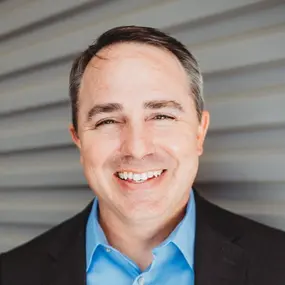
There is a dangerous moment in entrepreneurship when success starts hiding the very problems that could eventually break the company.Craig Ceccanti knows that moment firsthand.
He co-founded Pinot’s Palette from a single Houston studio and helped scale it into a nationally recognized franchise with more than 150 locations. From the outside, it looked like the entrepreneurial dream. Inside, Craig was wearing eight different hats, working 60-hour weeks, and slowly becoming the bottleneck inside the company he had worked so hard to build.
That realization changed not just how Craig ran a business, but how he thought about leadership itself. Pinot’s Palette ultimately completed a successful exit, while Craig went on to build and advise other companies, launch technology ventures, teach entrepreneurship at Rice Business, and become a Professional EOS Implementer and Certified Exit Planning Advisor. Rice Business also recognized him with its Industry Excellence in Entrepreneurship Award.
Today, Craig has a fascinating perspective few advisors possess. He has been the founder with the vision, the operator responsible for execution, and the leader forced to confront the uncomfortable truth that sometimes the person standing in the way of the next stage of growth is the founder himself.
His story raises a powerful question for every entrepreneur:
What if working harder is no longer the answer?


