


Founder & Hiring Expert Ryan Englin: How To Fill Your Bench With A Players Without Job Boards (#596)
Send us Fan Mail “Focus on what you want and whom you want to serve. Align your work with purpose.” -Ryan Englin Episode Summary Hiring under pressure leaves founders choosing from whoever happens to be available. Founder & Hiring Expert Ryan Englin reveals how becoming the employer of choice creates an A-player bench before you need it. Episode Highlights [00:09:12] Why the founder is often the biggest bottleneck in the business [00:12:12] The hidden revenue leak caused by disengagement, tur...
 Apple Podcasts Apple Podcasts
 Spotify Spotify
 RSS Feed RSS Feed
 Amazon Music Amazon Music
 Podcast Addict Podcast Addict
 iHeartRadio iHeartRadio
 Castro Castro
 PlayerFM PlayerFM
 Podchaser Podchaser
 Overcast Overcast
 RadioPublic RadioPublic
 PocketCasts PocketCasts
 Audible Audible
 Pandora Pandora
 YouTube YouTube
“Focus on what you want and whom you want to serve. Align your work with purpose.” -Ryan Englin
Episode Summary
Hiring under pressure leaves founders choosing from whoever happens to be available. Founder & Hiring Expert Ryan Englin reveals how becoming the employer of choice creates an A-player bench before you need it.
Episode Highlights
[00:09:12] Why the founder is often the biggest bottleneck in the business
[00:12:12] The hidden revenue leak caused by disengagement, turnover, and low productivity
[00:16:52] Why fixing hiring starts by stopping the bleeding inside the existing team
[00:23:07] The eight or nine roles founders quietly keep doing themselves
[00:25:41] Why employees do not care about your growth vision until they see what is in it for them
[00:36:57] How to build a talent bench before you have an open position
[00:47:24] The unexpected performance review gap that can reveal a hidden flight risk
Full show notes, transcript, and resources for this episode:
https://podcast.deepwealth.com/596
The Deep Wealth Podcast
Most entrepreneurs do not fail.
They just carry too much for too long.
The business grows. Pressure grows faster. Profits get harder to predict. Decisions cost more energy. Over time, focus slips and health takes the hit.
The Deep Wealth Podcast and Deep Wealth Mastery are built from real experience. We're the only system based on a 9-figure exit. This system exists because guessing gets expensive.
🧠 Deep Wealth Mastery
This is for you if you want to:
• Grow a profitable business without becoming the bottleneck
• Build real value so selling is optional, not forced
• Optimize your health before it limits your business and life
One proven roadmap for real decisions.
⭐ Explore Deep Wealth Mastery
https://iapdw.com/idm
🎧 Subscribe
https://iapdw.com/podcast
📘 Free eBook
https://iapdw.com/ebook
💬 Have a question you keep circling back to?
Leave a short voicemail
https://podcast.deepwealth.com/voicemail/
Built by entrepreneurs. For entrepreneurs.
Loved this Deep Wealth Podcast episode?
You built your business from nothing.
Now make it pay off big.
📱 Subscribe Now
As a bootstrapper, every move counts. Subscribe on your favorite platform for Jeffrey Feldberg’s 9-figure exit strategies. From your morning grind to late-night planning, get insights from founders who did it without investors. These tips could change your future.
Drop a Quick Review
Got 30 seconds? Leave a 5-star review. It helps us make better episodes and reach entrepreneurs like you, hustling without a safety net.
Don’t Lose Your Exit (And Your Financial Freedom)
You’ve poured everything into your business. A bad exit could cost you millions. Most deals fail, and even “successful” ones lose half their value. The 90-day Deep Wealth Mastery program teaches you to make your business run without you and boost profits so you capture the best deal instead of any deal.
What Others Say
“Deep Wealth Mastery is pure gold. I wish I’d had it before my exit,” says Stacey C. “The value I’ve gained dwarfs the investment,” adds Sanjay S. “It makes my business great to own and sell,” shares William S.
📘 Grab Free Tools
Check out client success stories for proof. Master the Deep Wealth Strategy Map to plan your exit. Or snag the eBook, From 7 to 9 Figures: The Exit Playbook, for a clear guide.
Click here to start your legacy-defining exit today.
596 Ryan Englin
[00:00:00]
Founder Dependency Problem
Jeffrey Feldberg: What if the biggest constraint on your company is not sales, strategy, or even capital?
What if it's the fact that the business still needs you too much?
Ryan Englin Origin Story
Jeffrey Feldberg: Ryan Englin understands that problem from a place that is deeply personal. Growing up, he watched his entrepreneur father work long hours and carry the weight of a business that depended heavily on him.
Ryan eventually realized that the problem was not a lack of ambition. It was the difficulty of finding, developing, and keeping the right people. That experience became the foundation for Core Matters, where Ryan helps owner-led frontline businesses turn hiring, onboarding, leadership, and employee engagement into repeatable systems.
His thinking challenges one of business' most persistent assumptions: recruiting is not simply an HR function. Ryan believes recruiting is [00:01:00] marketing, interviewing is sales, and the quality of your team ultimately determines how dependent the company remains on you. He's also the bestselling author of Hire Better People Faster, creator of the CoreFit Blueprint, host of Systems Not Seminars, and the inventor of FieldsCon.
But beneath the hiring system is a much bigger conversation about freedom, leadership, culture, family, and what it really takes to build a company that can grow without consuming the person who created it. And that is where Ryan's story gets especially interesting.
And before we start the episode, a quick word from our sponsor, Deep Wealth and the Deep Wealth Mastery Program. Here's Bill, a graduate, who says, the Deep Wealth Mastery Program has transformed the KPIs we're using to accelerate growth and profits.
Or how about Emry, who says, and I love this, and I quote, the Deep Wealth Mastery Program helped me create the right [00:02:00] mindset for both growing my business and later my future exit. I now know what questions to ask, what to do and what not to do, which is priceless. The team and I have found dangerous skeletons and gaps that we're now addressing due to the Deep Wealth program. Today, our actions have a massive ROI.
Absolutely love that.
And now, speaking of growth and adding value, check out what Bruce says, and I quote, As a business owner, I'm always looking for new programs, systems, CEO peer groups, and strategies to improve my business. Hands down, the Deep Wealth Mastery program is the absolute best. I'm both growing my business and preparing for a future exit at the same time. It doesn't get any better.
And I gotta tell you, as I hear these testimonials, this is exactly why I do what I do. My mission, the team's mission here at Deep Wealth, is to literally change the social fabric of society, one business owner at a time and one liquidity event at a time.
The Deep Wealth Mastery program, it's the [00:03:00] only one based on a nine figure deal. And that deal, that was my deal. You know my story. I said no to a seven figure offer. I created a system that we now call Deep Wealth Mastery and that's exactly what helped myself and my business partners welcome from a different buyer, a different offer, a nine figure deal.
So if you're interested in growing your profits, preparing for a future liquidity event, Whether that's three years away or 33 years away, and if you want to optimize your post exit life, Deep Wealth Mastery is for you.
Please email success at deepwealth. com. Again, that's success, S U C C E S S at deepwealth. com.
We'll send you all the information about the Deep Wealth Mastery Program, otherwise known as the Scale for Ultimate Sales System. Better yet, why not hop on a complimentary strategy call? We'll see where you are at your business and what's standing between you and your financial independence and your dreams.
So that's where you want to be. You want to be with other successful business owners, entrepreneurs, and founders, just like you, who are looking to create [00:04:00] market disruptions, whether you're a startup, whether you've been in business for three or four decades, whether you're manufacturing, whether you're a high tech, SaaS, low tech, whatever the case may be.
Come on in and network with other business owners, with other businesses, just like you, because they all want to lock in their financial freedom and enjoy both success and fulfillment. Again, the 90 day Deep Wealth Mastery Program, it has your name on it. All you need to do is take the next step. Please send an email to success at deepwealth. com.
Podcast Welcome And Setup
Jeffrey Feldberg: Deep Wealth Nation, welcome to another episode of the Deep Wealth Podcast. Deep Wealth Nation, you've heard me say it before, I'm gonna say it again, show me your team and I'll tell you your future. That's one of our favorite sayings here at Deep Wealth. So how's your team? How are you doing? Are you able to attract the kind of employees and team members that you want?
Or is it the same blank different day, you have a revolving door and it's time-consuming and expensive? You're saying, "Yeah, Jeffrey, it's the latter, not the former. But what do I do? Where do I go? How do I start?" [00:05:00] You've come to the right place. We have an incredible guest in the House of Deep Wealth. We have a fellow founder, best-selling author, another incredible podcast host, someone who's doing some incredible things out there.
I'm gonna put a plug in it right there. Ryan, welcome to Deep Wealth Podcast. We have you in the person. So excited to have you here. There's always a story behind the story. What's your story? What got you from where you were to where you are today?
From Marketing To Hiring Systems
Ryan Englin: I grew up in a blue-collar family, and I remember my dad being that owner/operator that had this dream of, "If I start my own business, I'll make more money, I'll have more time freedom. I'll be able to do these great things." And then he wakes up, 15 years later and goes, "I have this huge weight dragging me down, this burden on my shoulders.
I work seven days a week, 18 hours a day. I'm on call 24/7." And I just remember I'd get to spend a lot of time with my dad down at the shop. That was how we spent time together. We'd go golf on a Sunday morning, and then we'd head to the shop, and we'd be there for half the day, and he'd put me to work as, a 10-year-old.
And I remember thinking, "I don't [00:06:00] want to do what my dad does, but I would love to be an entrepreneur someday." I didn't do really good with authority and being told what to do. I was one of those people that didn't do well in corporate. But what I did was I went to corporate. I got my degree.
I went to corporate. I did my 10 years there, and then I left that and I said, "I want to help people like my dad who miss something about being an entrepreneur." And early on, I thought that what he missed was he didn't really understand the marketing side of the business.
How do we bring in enough new customers? How do we keep the customers we have so we generate enough revenue that I can hire people and outsource things and all that? Couple years into that marketing company that I had started, I realized that wasn't the issue. The issue was he never was able to build a team of people around him that he trusted, and that trust is a key component to that.
'Cause he had people all the time. He was always hiring people. But he always had this mindset of, "If I want it done right, I have to do it myself. This is my baby. No one's gonna care about my baby as much as I do." You've probably heard a bunch of those things from founders. And what I realized in working with some of our [00:07:00] marketing - company clients at the time is that they struggled with the exact same thing.
Jeffrey Feldberg: Yeah
Ryan Englin: We started teaching them how to hire better, and we started there. And then I realized now that they know how to hire, they don't know how to onboard, they don't know how to engage, they don't know how to develop trust, they don't know how to communicate, they don't know how to do all of these other things.
And so over the last 10 years, I've built a bunch of systems around how do we teach and train these owners, not only to shift their mindset, but to put the systems in place because it's a lot easier to trust good people when you have great systems.
Jeffrey Feldberg: Absolutely. Love that, and you know, Ryan, forget other business owners. You're talking to the guy who's had all those things. I can do it better, faster, cheaper myself, and I was a bottleneck. I didn't wanna see it, and if I'm really honest, which I am, I was that adrenaline junkie that I just loved coming in, saving the day, but it comes at a cost, and I paid the price, and I'm with you.
And by the way, Deep Wealth Nation, go to the show notes. Everything we're talking about today is there, and while you're there, [00:08:00] Ryan's got a, a few books. Pick up one of them, like Hire Better People Faster: A Proven System for Attracting the Employees You Want, and I'm sure we'll talk all about, well, how do you find and then automate an interview with an onboard engage, as has, as follow your, system.
This was one of my biggest weak points for myself, and I know for so many founders in Deep Wealth Nation that as well. And so Deep Wealth Nation, go there, pick up the book, go through it. You'll be a whole lot better, and see what Ryan's doing. So Ryan, as founders, let me ask a question that's far too general, way too high level, but I'm gonna ask it anyways.
Generally speaking, good old Pareto's law, the 80/20 rule, that, yeah, Jeffrey, in your business, 80, maybe 90% of your challenges, otherwise known as opportunities, are probably coming from 20%, maybe even 10% of the same core issues. And oh, by the way, Jeffrey, don't feel bad. It's not just you. It's with other founders across industries.
So what would be [00:09:00] some of the same issues, otherwise known as opportunities, that the patterns that keep on repeating themselves that are creating the headaches for most founders? If you could single out the top ones, what would they be?
Founder Mindset Bottleneck
Ryan Englin: I don't like to pull punches, so we've already alluded to this one, but the biggest challenge, the biggest bottleneck in any business is the founder always. It's what's in between their head. It's that story they tell themselves when they lay their head on the pillow at night. It's that, that belief or that misbelief about their business, about their people, about the market, about the economy.
Whatever it is, that story that they tell themselves, and they get up the next morning and they say, "I'm gonna go tackle that story," but that story's not real. And i- if there was something where we see the greatest results happen... One of my favorite things in the, the work I do is when we see those light bulb moments where they just have that puzzled look on their face, and then you just see clarity come to their face, and I'm like, "They're getting it." We hold ourselves back as founders so much more than any of our people hold us back, than the market holds us back, than our customers hold us back. We hold ourselves back. And like I'm gonna talk [00:10:00] about this word a lot. You're gonna hear it a lot, but we struggle with trusting people with our baby, with our vision, with the thing that we built from the ground up.
So many founders were in the work doing the work before they started the company, and so who better to do it than the person who started the company, who founded it? And we tell ourselves these stories that no one's gonna care as much as I do. No one can do as much as I... I love that one that you said, "No one's gonna do it as fast as I will"
And so we've had to really dig deep and like where is that coming from? Where is that fear coming from? 'Cause that's what ... that's all rooted in is fear. And if we can let go of that fear, and we can put systems in place to transfer the authority, to transfer the work to other people with great systems, all of a sudden we become less fearful about our business because now...
here's the thing, human beings in general are good people, and they want to win, and they want to do a good job, and they wanna go home at the end of the day saying, "I made a difference." But [00:11:00] as founders, we struggle to let them do that. We're always in their work. We're always watching over them. We're always second-guessing them.
If we just let them go and say, "Here's how I would do it. You do it your way, but here's the outcome I want," and we got really clear on that, oh, that's the opportunities
Jeffrey Feldberg: And I know for today, Ryan, if we do our job well, and you and I will, we're two podcast hosts and having this fireside chat, we're only gonna scratch the surface of Wizard because there's so much of what you put together and with Core Matters, with what you're doing, what really started things. And we'll talk about AI and where you are with that and the books and all those other great things with it.
Hidden Revenue Leak
Jeffrey Feldberg: For your Core Fit Blueprint, very high level, talk to us about what's going on with your masterclass because it's all over, when I was doing the research, it's all over your website and your programs. "Jeffrey, you've got a problem. You don't even know you have a problem, and it's likely costing you millions, probably more.
You've got this leak. It's this hidden revenue [00:12:00] leak," otherwise known as what we're about to talk about. Now, I'm not gonna take the wind out of your sails, Ryan, so tell Deep Wealth Nation what this hidden revenue leak is that's invisible, the thief in the night that's always been there. They just haven't seen it.
Ryan Englin: We do a lot of work in the trades, blue collar businesses where your people are your product, your people are your service. But so many industries struggle with finding good people right now. You see it all over the news. It's hard to hire, unemployment is low, nobody wants to work anymore these days.
Everybody struggles with this problem. And everybody says we have a labor shortage, we have a talent gap. There's all this talk about it. But what I've found, the reality of all of this, because this is harder to talk about. See, when the problem is the job market, when it's the economy, I'm the victim, right?
It's not on me. It's really easy for me to play the victim. But when my problem is employee engagement, when my problem is low productivity because my people aren't motivated, when my problem is that people don't [00:13:00] want to work here because it's toxic or we don't have strong leaders in place, I'm not the victim, I'm the problem.
Jeffrey Feldberg: Yeah.
Ryan Englin: And that is a lot harder to acknowledge and to own as a founder. Now, here's the good news on that. Yes, that's true, and I mean, even in my business, when there's a problem in my business, there's no one to blame but me. And even though I know that, because I teach this for a living and I consult on this, I still mess it up.
We're not perfect. But here's the good news, is you're probably a lot closer to solving the problem than it feels. Sometimes it feels like you're a world away, we're never gonna solve this problem because there's just nobody good out there. And just a little bit of a shift in the way you think, in the way you act, in the way you lead, and all of a sudden it can open this up.
So when we talk about the leak, we talk about this revenue leak, we are losing to low productivity, we are losing to disengaged employees, we are losing to turnover, we are losing to the people that actually take our goods and [00:14:00] services and give them to our customer. And if we don't start looking at that problem and fix that problem first, all the hiring fixes in the world aren't gonna help you, ' you bring in more people, you just create a bigger leak. You gotta stop that leak first.
People Principles Any Industry
Jeffrey Feldberg: And Deep Wealth Nation, I don't want you to think for a moment, well, yeah, you know what? Ryan's dealing with the trades. I'm white collar, professional services, doesn't apply to me. It really does. These are best practices. Doesn't matter what industry you're in. And Ryan, what I found, and would love you say off-base, on-base, people are people, and it's the people that power the business.
And when I have the right people with the right operating system, not in terms of technology operating system, but in terms of running the business at Deep Wealth, we call it the Deep Wealth Operating System. For you, it's gonna be your own operating system. But when I combine the two and everything's working as it should, wow, I lose the golden handcuffs.
I get to do what I wanna do, have the lifestyle that I went into business originally for. Talk to me about [00:15:00] that. Thoughts about that, on-base, off-base?
Ryan Englin: You mentioned that I do a lot of work in the trades. One of our greatest success stories is a financial advisory firm. I don't know if it gets more white-collar than that , okay? You got a bunch of financial advisors, you got a bunch of account managers, you got a bunch of analysts making sure that
And what they realized was they thought, and this is, I think, the thing ... Oh, I get why we have a problem in the trades. Just look at it. But I think we take a lot of stuff for granted, and almost the more white-collar we are, the more we expect people to understand these things and be able to solve these problems and everything else.
And it is, it's human nature. Like I told you before, I think people are genuinely good, and I think people genuinely want to win. I think that there's some bad seeds out there, but they're a super minority, and they're probably not even working for you anyways.
Jeffrey Feldberg: Yeah
Ryan Englin: So these principles transcend any industry.
They transcend any business. We talk to trade associations about how to increase membership, because it's people. Like that's not employers. That's not any of that stuff. We talk to [00:16:00] nonprofits about how do you get more volunteers. Because people want to be treated a certain way. They want to know that you've got things figured out, that you've got the outcomes established and that you'll be able to communicate them well.
And when we put those systems in place and we allow people to do that, doesn't matter what industry you're in, nonprofit, for-profit, doesn't matter. We're all working with people
Core Matters Phases Overview
Jeffrey Feldberg: And so very high level, walk us through your secret sauce, the magic behind the scenes. We're gonna pull back the curtain, not all of it because you gotta keep your secrets and do what you do. But that said, okay, you know what, Ryan? I heard you on the Deep Wealth Podcast. I need some help. I wanna lose golden handcuffs.
I wanna work with you and your team, with me and my team, get myself rid of as the bottleneck. So what's that looking like? How long does it take? What am I doing? What's the team doing? What should I expect? Talk to us about that.
Ryan Englin: Yeah. So there's a coffee table book that I like. It's one of my favorite books. It's called Change Is Good, You Go First.
[00:17:00] nobody wants to change, right? So if there's a secret sauce to this, is that you have to change. We've heard it before, you keep doing the things you've done, you're always gonna get what you've got.
If you want something different, you gotta do something different. We've heard a lot of these motivational speakers' phrases, but it's really true. I talk to a lot of people, and I use this analogy a lot, personal trainers, dieticians, right? If I wanna lose some weight, I don't just get to stroke a check and give it to somebody and go, "I lost weight."
No, I gotta get off the couch. I gotta go do the things that I know I need to do. I gotta exercise. I gotta eat less or eat better. I know what I have to do. And when people come to us and they start working with us, they already know the answer. They're just struggling with, how do I take that first step, and why am I afraid to take that first step?
Or, the fear.
Stop The Bleeding
Ryan Englin: One of the things that's pretty common when we talk to somebody new, and then I'll get into the system, is that they come to us, and when we really start our discovery process and understanding more about the business, there's always someone in the business that they know they have to let go of.
They just know deep down [00:18:00] this is not the right person for us. But gosh, they're a good worker. Gosh, they produce more than anybody else, but they're toxic. People don't like working for them. Our customers can't stand them, but they get the work done. And that's almost a universal truth. So one of the first things that we do when we start working together is what we call phase one is stop the bleeding.
See, if you think about the ER, when you go to the ER with a heart attack or something major medical, they're not sitting down talking to you about your weight loss strategy or your exercise. They're like, "How do we keep your heart beating long enough to get you out of here so you can go sit down with the doctor?"
And see, if we don't get the leadership team freed up, if we don't create enough - operating space for them or enough clarity around how do we get to that next step, we're just fighting an uphill battle. So we learn real quickly that we have to stop the bleeding. And the stop the bleeding, we do some discovery with the team, with the leadership team, some of our own evaluations, and we say, [00:19:00] "Hey, here are the opportunities, the things that we need to deal with right now so that it creates a little bit more freedom, a little bit more margin for you, so that as the leadership team or even the founder, you've got an hour a week to sit down and really think about your business."
Because how often are founders, they wake up, and they go until they crash. And then they wake up, and they... If you could just take a step back for a couple of hours a week, you can create some amazing things in your business. But when you're at that point where things are just almost dire, it's really hard to do by yourself.
So that's the first thing we do. Phase one is stop the bleeding
Employer Of Choice Culture
Ryan Englin: Then phase two, and this is the thing about people, we always talked about people. I believe that people want to work for the employer that they choose to work for. So we call it employer of choice. Be the employer of choice. Be the employer that people choose to come work for, and they choose to stay.
Because when things get [00:20:00] rough, and they will, when there's a problem in the business, and it'll happen, when there's a problem in the market, when things get rough, your people will step up and say, "I will fight like hell to be here. Whatever it takes, I want to be here. I'm not performing well enough? Well, Instead of me getting mad and creating a bigger wave, I'm gonna say, 'Hey, you know what?
I'm gonna straighten up,' 'cause I want to be here. You just told me I may not be here tomorrow. I wanna fight for this now.'" And when you're that employer of choice, all of a sudden things completely change. Those revenue leaks go away, the retention gets better, productivity goes up, and when productivity goes up, profitability goes up.
We talked about profits earlier. Your people will step up and do things that you can't even imagine, and we talk about some of them in the book real-life examples of things that have happened when you are the employer of choice. So we spend a lot of time with your leadership team and your team helping you not only become the employer of choice, but actually be the employer of choice.
How does that show up every single day in your actions, in your words, in the way you lead, in the [00:21:00] way you treat your team? And that leaks into how you treat your customers and how you treat your vendors it creates just a, it's environment where people want to be there, which for a lot of founders they've never had before
Jeffrey Feldberg: Yeah. So crucial. As you're talking about that, in our own mastery program, one of the things that we talk about, it's a Glassdoor survey that they did. Deep Wealth Nation, if you're not familiar with Glassdoor, check it out because are you listed there? This is a site where either existing employees or former employees, they talk about what it's like in your company.
And by the way, if your company's not listed there, you better get listed there, have some people give reviews, because the absence of that isn't necessarily the best thing either. But anyways, back to the survey that they did. They asked people who were either in their positions a long time or someone who moved positions fairly recently why?
Why are you staying there or why did you move? And at first blush, I thought money would be at the top of the list. It was at [00:22:00] the bottom of the list. And to your point, Ryan, what was at the top of the list? What's the leadership team like? What's their vision all about? And how's the company culture? Those were at the top of the list.
And when you're off the charts there, you have a rich and thriving culture, you have a terrific vision, wonderful leadership, this is where I wanna be. I'm gonna say no to other job opportunities even though they might pay me a little bit more because I don't wanna leave this company. I know a great company when I see it.
So you're spot on with what you're sharing. So stop the bleeding, be the employer of choice. Give us a few more nibbles. What else are you teaching us in terms of your system?
Ryan Englin: so a couple of things that happen in employer of choice are not just the values and your culture. We definitely talk about that, but one of the things we talk about is what opportunities are you giving to your people? People want to win, they want to grow, and if we don't create opportunities for growth for them, we have a real challenge, and that's a big part of being the employer of choice.
Right People Right Seats
Ryan Englin: So once we've solved that problem and we understand how we [00:23:00] communicate, how we lead, how we work together as a team, we now move into right people in the right seats. And we've all heard this phrase
Jeffrey Feldberg: course. Yeah
Ryan Englin: right? But there are times when those toxic employees I talked about, that one person that you know you just gotta terminate, maybe you don't.
If they're a culture fit, maybe they're just in the wrong role. And so we do what we call organizational design at this point, where we develop your org chart, we get all of your reporting structure in place, and then we develop... My team does this. We actually write every single job description for you in every role in the company, including the founder.
The founder gets a job description. And what we find is that when we do these org charts, the founder's name usually ends up in eight or nine different boxes, and that's why we feel so overwhelmed as founders, because we're wearing all these different hats. And what I found for me personally is that most of the hats I'm wearing don't fit me very well.
I'm struggling to put them on. I'm like, "I got a headache when I'm done with this thing." It's because the hat you're wearing, you're not designed to [00:24:00] wear. As founders, we have a very specific behavioral profile that aligns with only certain types of roles inside of an organization. Yet because we have the beliefs we talked about, we tend to squiggle into all these hats and squeeze ourselves in these hats because we're like, "There's no one else that can do it."
Or the other thing that we tell ourselves is Well, it's only a few hours a week, so it doesn't really bother me." And it's yeah, but when you do that eight times, that's three days. You could be giving that to other people. And so not only do we build the whole organizational chart out, but we build the job descriptions, the interview guides for when you want to hire someone new for that role, the onboarding plans for when you want to hire someone new in that role.
We put together all of these systems so that the next time your bookkeeper turns in their notice and only gives you two days, you don't go, "How do we hire a bookkeeper?" You're ready to go. Or the next time someone comes to you and says, "Hey, you know what? I want to move into a supervisory position," you don't go, "Oh, I'm not even sure what that looks like."
You grab that job description, you go, "Here's where we need to go. [00:25:00] And by the way, remember how we talked about opportunities for growth? Here's what the career path looks like."
We've got all these systems in place to help your people grow and really step up to that next level and take care of the company.
Jeffrey Feldberg: Absolutely love that. And then so I know you have the put the right people in the right seats and then aligning your people and processes, which is so overlooked in terms of doing that boring stuff, some of the documentation I imagine, but so crucial. But your phase five was intriguing, and I wanted Deep Wealth Nation to hear more about this because very few are doing this.
Inspire Future Driven Team
Jeffrey Feldberg: So your phase five or step five, inspire a future-driven team. So what's going on with that? What do you want us to know?
Ryan Englin: So we talked about this idea of giving people opportunities for growth, about being able to myself in the future of the company. You know, most founders have a vision for the company. Most founders, I'm just gonna say it, we suck at casting that vision for our people. We paint this [00:26:00] vision for them, and they look at it and they go, "I'm not sure.
Is that upside down? Is it squiggled right?" We aren't very good at painting this vision, so what we have to do is we have to work directly with our people and say, is this something that we can inspire people to be excited about the future, even if they don't perfectly see themselves inside of the vision?"
And one of the things that we learned a long time ago is that people don't really care about your business as much as you would think they do. What do we do as owners? What's my vision? I wanna double revenue. I wanna increase profitability. Nobody cares about making you rich. What they care about is what happens to them when they do,
Right?
If you can show me a path to if we double revenue, that creates new leadership opportunities for me, creates new training opportunities. Maybe you decide to open up a new location and this relocation, I get to live where I've always wanted to live. If you can get them excited about the future [00:27:00] by showing what's in it for them, we borrowed a marketing acronym, right?
WII.FM. If we can show them what's in it for them, they get excited. And so inside of Inspire a Future Driven Team, we have a process we call GAPS.
The Growth Accelerator Program. And this is a three-year personal development program that helps them bridge the gap from where they are in their life to where they want to be. Now, I wanna be really clear, this has nothing to do with their career. This has everything to do with their personal goals. You wanna buy a house, you wanna buy a boat, you wanna start your own business. Whatever it is that you want to accomplish, we're going to walk alongside you for three years and help you accomplish that.
And I was inspired to do this 'cause I read a study gosh, this was probably 15 years ago, of a company they were talking about millennials at the time, and they went to them and they said, "What is it you want to accomplish?" And the example I remember is one of the employees was like, "I wanna start a nonprofit, and I wanna be able to get businesses to help me fund this nonprofit, and I wanna go off and do this thing."
[00:28:00] And what do you think every founder is thinking? They're gonna start a nonprofit and leave me.
Invest In Personal Goals
Ryan Englin: Why would I invest in them if they're just going to leave me?" The study showed that of the employees they invested in, almost every single one stuck with the company once they achieved their personal goal.
They started their nonprofit and they found someone else to run it because what they realized was that when my employer invests in me at that level to help me achieve my personal goals, I am indebted to them. I don't wanna go somewhere else. I wanna hit that goal and then go, "What's the next one we can hit?"
Like, how do I spend more time with this employer? And I remember that. And so it's a three-year program. You get to walk alongside them for three years, mentor them, coach them, train them, introduce them to your network. There's so many things you can do to help them achieve their personal goals.
In the trades, we run into this a lot. A lot of times the employees are like, "I don't know what my personal goals are," because no one's ever asked them. No one's ever cared enough about them to say, "What do you want to accomplish?" 'Cause what are most employers thinking? " How can I get more productivity for less [00:29:00] money?
How do I get them to do more, be more and provide more for the company?" But what we found is that if we do that for them personally, they give back in spades
Jeffrey Feldberg: Absolutely.
Earn Respect Through Care
Jeffrey Feldberg: And putting myself under the microscope, Ryan, would love your thoughts on this. Early on, my early leadership lesson for Jeffrey the founder, "Jeffrey, no one cares about your title. No one cares that you're signing their check. They don't care a blank about you. You're simply a means to an end.
You haven't earned their respect. Yeah, maybe they'll do it because you're telling them to, and they will lose their job if it's something big that they don't do. If you want them to be around, you want to earn their respect, invest in them, take a personal interest in what they're doing. 'Hey, what's going on the personal side or with your family or your friends?'
Or, 'Hey, Sally, last week you were telling me about your mother and she had that bout with the flu and she was in the hospital. How's she doing this week?'" And they'll just stop in their tracks, "Oh, you remember that?" [00:30:00] And it makes a huge difference. And I heard something similar when we have people from the services in the military on the podcast.
"Jeffrey, just because I'm their," pick the title, "their platoon leader or their Special Forces leader, so what? They've got to know I'm gonna take a bullet for them. They've got to see me take an active interest, and only then will they take a bullet for me, and only then are we a true team." So I love what you're sharing with Deep Wealth Nation of it's beyond productivity, it's beyond profits.
You'll get that, but not if you put that first. It's putting your people first, taking an active interest, being genuinely interested in them. Yes, we're there to do a business and be in business. I get that, but it's got to go beyond that. Thoughts about that?
Ryan Englin: Yeah.
Leadership Levels And Loyalty
Ryan Englin: Yeah, you know, as you were talking, I think the listeners here need to know this, but you quoted you said failing forward earlier, and I was like, "Ah, that's John Maxwell." And I was reminded of the five levels of leadership. And for those of you who don't know most of us as founders, we're in position one, maybe position two, [00:31:00] right?
That's us. We're there because they have to be. They follow us because they have to. They follow us because they want to, but they don't follow us for the difference we made for them, and that's level four, right? People development is level four. People will follow you because of what the difference you've made in their lives.
I did a, a workshop for about 20 managers at one company, and the lunch exercise was for them to go back and tell me why was it that they were so deeply loyal to this organization, 'cause they had all claimed how loyal they were. They're like, "I'm never going anywhere. I'm gonna retire here," everything else.
And you know what? Everyone came back. Every single one of them came back after lunch and said, "I'm loyal to this company because when I went through, this person was there. When I wanted this, this person helped me achieve it. When I needed this, this person..." And they all talked about their leaders. They all talked about their employers, their bosses.
And every story about loyalty, about trust, about that commitment to the results of the organization came from a relationship that they had because [00:32:00] somebody did something to help them when they wanted or needed that help
When People Leave Anyway
Jeffrey Feldberg: And Ryan, with what I'm about to say next, which plays exactly off of what you're sharing right now, would love your thoughts on, Jeffrey, on base, off base. Even if someone who goes through your GAP program, the Growth Accelerator Program, and they end up leaving and they go start their own thing, they are probably your biggest raving fan.
"Look what I was able to do because of this company." But for the other team members, employees that stayed back, "Yeah, look at what Jim did. Jim was able to do this because of this company. Who else does that?" And that ties so nicely into fill your bench with top talent in terms of the sixth step in, in your program.
But first, give me your thoughts that, okay, maybe we're not so fortunate that 100% of the people stay with us, but even if they don't, it's still an incredible testament to, the
Ryan Englin: I've got a story for exactly that. So we worked with an electrical contractor probably about 12 years ago, and he was always scared to hire [00:33:00] guys that wanted to go start their own business. Always scared. He's like, "Ah, I don't want them to come here. They learn everything from me, and then they leave."
And I said, what if you were the reason they got to start their own business? Find these guys that are driven, that are go-getters, bring them in and say, 'I'm gonna show you the entire business. I'm gonna teach you everything there is to know about running a business so you can go start your own.'"
You know what happened? 90% of the time people saw it and go, "I'm out. I don't wanna do this. I see what craziness it brings to your world. Can I just be your best employee?" That's what happened the majority of the time. But I remember one individual, I don't remember his name right now, but I remember he left, and he went and started his own electrical contracting company.
He finally got, figured it all out. Guess what happened in the first five years in business? He didn't have all the people he needed. He was selling jobs that he had no right selling because he wasn't big enough. He didn't have the expertise. Guess who he called to come in and help him do the work?
This generated an entirely new revenue stream for our client because they supported this guy and he go start a business. He didn't become a [00:34:00] competitor. He became a collaborator in the marketplace. He was selling into jobs that my client had no way of selling 'cause he didn't have the relationships. , So much good came out of this.
What if I'm intentional about helping people achieve their goals, even if it means they might leave me? And like I said, those people that wanted to start their own business are like, "I don't want this. I just wanna be a great electrician." And then the other guy became one of his greatest raving fans in the marketplace and a collaborator on some really cool jobs.
Fear Of Being Burned
Ryan Englin: So we go into these situations fearful because we think, "You know what? Someone burned me. Oh, I did this one time, I invested in them, and this is the bad thing that happened." We had another client that went through this. Spent years training his protege, and the guy just turned around, flipped out on him, and just hurt h- the owner, and now the owner's afraid.
He's fearful of, "What if next person does that to me?" And I get it. I get it. I've been through business partner breakups. It's scary. It takes a while to heal from that. But we have to let go of that fear, and, and that's one of the things that I really pride myself on. I want you to think of me as someone who sits on your [00:35:00] leadership team.
I want to be that confident that you get to call in middle of the night when you're like, "I can't sleep tonight. I need help. What are we doing?" And that's the level of relationship we have with our clients
because they need that support. I'm not just here to come in, borrow your watch, tell you what time it is, and hope you can figure it out from there, right?
We're not the traditional consultant in that way,
Fill The Talent Bench
Jeffrey Feldberg: Yeah, and what's terrific about this, Deep Wealth Nation, take note of this because as you're doing this, number one, you're showing your team there's upward mobility. In the early days when Jeffrey did everything in his company, so when I was everywhere doing all the things, coming in to save the day, Ryan, looking back now, wow, I can fill in lots of explicitives of how I must have been coming across to the other team members.
But one of the messages I was unintentionally sending, "There's no future for you here. Jeffrey's not leaving the top seat. You have aspirations to one day run the company yourself? It's not gonna happen here, so go somewhere else where you do have that opportunity." And it wasn't [00:36:00] until I stepped aside, brought in a management team, that's a whole other story we can talk about.
I, I wish I'd known you back in the day. You could've helped me find the right people. I didn't. And it showed the team, okay, now I got a future. Now there's a runway for me in this terrific company because there are hired guns that maybe one day I can step into those roles. And so talk to us about fill your bench with top talent because I feel as founders, at least for myself, let me not speak for Deep Wealth Nation, in the early days, I wasn't doing it.
I'd give myself a failing grade. Later on, I was, yes, to the best of my abilities, having a bench of top talent, having a virtual bench of people I could call when openings came up that I couldn't fill from within. From your perspective, though, for filling the bench, phase six, with the top talent from a Core Matters operating system perspective, what does that look like?
Ryan Englin: There's a couple of things here and there's a reason [00:37:00] it's phase six. I wanna be really clear on this. These things build on each other so many people call me, they're like, "I just want the bench." And I'm like, "You're bleeding like crazy. Why are we talking about the bench? You don't have people in the right seats.
You don't have your people aligned with your systems." Like, You've gotta have these things in order. , The bench is almost the pinnacle. There's a phase seven, but it's so close to the end. But here's the thing, most founders when they need to hire somebody, they go to the job boards. They go to Indeed, they go to ZipRecruiter, whatever it is, and they hope that they find someone good.
, The next level up from that is the founders that say, "Hey, you know what? I've got good people working here, and I believe good people know good people, so let me see if my team can help me find someone good." But here's the challenge with that. If you need an executive and you don't have any executives on your team, the odds that your team knows an executive and has the influence of an executive to get them to come to you is very minimal.
So employee referral is great, and I encourage both of those. You need the job boards. You need employee referrals.
Passive Job Seeker Pipeline
Ryan Englin: But remember when we talked about being the employer of choice?
There's two parts to that. [00:38:00] There's the people that choose you as a place to go work, and there are the people that choose you when they want to stay.
And there are a lot of people, in fact, there are some studies that say up to 70% of the labor pool is passively looking for work at any given time.
Jeffrey Feldberg: Wow. 70%. Wow
Ryan Englin: So I want you to hear two things in that. The first one is, what an amazing opportunity to go build a bench and attract some passive job seekers, 'cause there are a lot of them out there.
But here's the other side I want you to hear. That means seven out of 10 of the people working for you are doing the same exact thing, and they are passively looking for work. So you have opportunities on both sides. One you have to own a little bit more than the other, but up to 70% are passive looking.
Here's what a passive job seeker looks like. So they get done at work and they call their spouse and then they're like, "So how was your day?" "Eh, it was all right. I'm still really mad because I didn't get that promotion," or, "I'm still upset because they told me that this thing would be happening and that was six months ago," or, [00:39:00] "But, it's okay."
And then they go home and they get on Instagram or TikTok or whatever it is and they scroll, and then they see an employer and they're like, "That looks like a company I could work for.
That looks neat. I like the way that they're doing the events. I like the way they position themselves." And then they just hit or subscribe or follow or whatever it is, and that's it.
And then all of a sudden that stuff starts showing up in their feed as they're scrolling at work 'cause they're bored and they want to disconnect. A passive job seeker is not on the job boards. They're not talking to their friends and family about, "Oh, I need something else." They're just stuck, and they feel like the best thing to do is escape from that and go spy on other companies and see what's going on.
The next level of passive job seeker is the one that calls up their friends and says, "Hey, man, how's that job go working out for you? They got any openings?" Or they go to a job fair or they stop by a local company and they start soliciting that company. They're like, "Oh, I'm gonna buy from them. I'm gonna see what it's like."
And they just unconsciously start connecting more with these companies. And then all of a [00:40:00] sudden, eventually one day they're like, "Oh, I wonder if they're hiring." And they click and they go, "Wow, they are, and that's a perfect job for me." They already know they want to be... They're not applying anywhere else.
They haven't applied anywhere else 'cause they're not looking at anybody else. They're just looking at you.
Employer Of Choice Example
Ryan Englin: And companies that really become intentional about building this bench, gosh, we had a remodeling contractor, a quite large remodeling contractor. They set out to do this when they first met us.
That's what they came to us for, and they worked for us f- for a couple of years. And then a few years after that I got a phone call from the owner and he goes, "You're not gonna believe it." He goes, "We have more carpenters..." And for them carpenters was the hard one to hire. "We have more carpenters sitting, waiting for us to bring enough jobs to them that we can hire them than we even thought existed in our area."
Because they put the effort in, they became the employer of choice, they acted like the employer of choice, they put themselves out there in the community, they did the marketing, they did the grassroots efforts. Everybody knew where they were, and if you were in remodeling, you were a carpenter, this is what you saw, and you liked what you saw, and you [00:41:00] followed them, and you pursued them, and then you said, "That's the place I want to work."
And they're like, "I haven't had to post a job on Indeed in 12 months. I haven't had to do this, haven't... 'Cause there are people just waiting to come work here." And when that happens, you get to pick the best of the best. It just, - that rain cloud gets lifted, and all of a sudden you're like, "Wow, there's the sun.
This is amazing." But you have to be intentional, and this is something I don't tell you that story five years to scare you. It takes time to do this, a lot of time
Jeffrey Feldberg: Yeah, exactly. All good things take time. There's a reason that saying has been around.
AI Tool FieldCon Overview
Jeffrey Feldberg: And what's incredible about your blueprint is from phase six, we go to scale with confidence, and you didn't stop there. Because Deep Wealth Nation, I want you to hear about something that's been in the works, it's available now, that Ryan and team have been working on.
I don't know, uh, Deep Wealth Nation, have you heard of this new thing called artificial intelligence? Of course you have. But what do you do? How do you leverage it? So you've come out with something, because artificial intelligence, it's [00:42:00] changing the world as we know it. It's making headlines every day.
Although I'm now told, Jeffrey, it's no longer artificial intelligence, it should be super intelligence. Super intelligence, artificial intel- whatever you wanna call it, you came out with FieldCon.io is a website. And so FieldCon, what's going on there? What incredible, magical tool have you come up with that's gonna save hours a day and countless weeks, months, - a year, you know, going on behind the scenes?
What is it?
Ryan Englin: So when we jumped into AI, we realized that this is a way to leverage computers, decision-making, implement our philosophies and practices into the work that we do. The number one piece of feedback we get is that change is hard. We hear that all the time. "It's hard for me to change. It's hard for me to come up with new habits.
It's hard for me to do the things..." Everybody loves the work that we do and the processes that we have, and they're like, "This stuff is amazing, but it's difficult to fully implement because it requires me to remember, or it requires me to do something different, or it requires me to learn a new skill." [00:43:00] And I thought, how do we use AI to solve that problem?
AI Performance Reviews Simplified
Ryan Englin: And one of the biggest challenges most companies have is performance evaluations.
They tie performance evaluations to pay raise time, right? So they happen once a year. They usually have to do them as a prerequisite to give someone their raise. It's an opportunity for the manager, if the managers are doing them, it's an opportunity for the manager to give feedback about your performance for the last 12 months.
Whole bunch of things go wrong with this. But they don't happen, and if they do happen, they don't happen well. And , every company we ever worked with, they're like, "Oh, we could do that so much better. We could do them at all." And so we had a process for how you do performance evaluations.
Remember I told you how the processes aren't always the easiest to implement. It was a five-page document. Two pages of training and three pages of filling out to prepare for a performance evaluation with an employee. Nobody has time for that. So what we did was we took that, along with our role templates, job descriptions, all the work that we've done, [00:44:00] and we've built an AI platform that does two things.
Number one, it develops an assessment, takes 7 to 10 minutes, for the manager and the employee to each take about that employee. So I as the manager get to take an assessment, and I get to rate Jeffrey on 20 different things regarding his role. That same assessment goes to you, and then you rate yourself on those 20 things, and then the system surfaces the gaps.
Where are Jeffrey and I not aligned? Because that's what the performance evaluation needs to be about. Because if you're not a good employee, I should've had that conversation 11 months ago. I shouldn't wait till now to have that conversation. So it surfaces those gaps and it says, "Here's the difference.
Here's what's going on. Here's where you guys are not aligned and on the same page." And then it goes one step further and it drafts the entire review conversation agenda and script for you. So the manager can literally walk in and read the words on the screen [00:45:00] And starts the conversation for us to have.
But then we do a lot of work in the trades, and these reviews happen on a tailgate. They happen on a job site, right? They happen in the shop. So we had to make it mobile first, but we also knew that if we asked them to type in really good data, we're gonna get great employee, does an okay job. We were gonna get the stuff that was not actionable.
So we took it a step further and we added voice recording to the system. So when that review starts, I hit record, and it just listens to us the whole time. And as I walk through each one of those scripted questions and those topics, it's recording, it's listening, and then it takes the entire thing, summarizes it, drafts an output, manager notes, everything else.
And then when you're done, it actually suggests a growth goal for , you and the employee. It nudges you and reminds you about that growth goal in between review sessions. We had one client say it took about two hours it used to take to do one review, and according to the system, it's about 31 minutes now to do the whole thing start to finish.
[00:46:00] And they're happening. That's the thing. Your people are getting the feedback that they need based on data, not your opinion, not the mood that you're in that day, not how you're feeling about things
Jeffrey Feldberg: And what I love about that, Ryan, and we talk a lot about this in our Deep Wealth Master program, all too often we make it personal. "Jeffrey, you're doing a crap job in this area, and look, our sales are down, our profits are down." As opposed to coming in, "Hey Jeffrey, I'm curious, what's going on? Last week our KPIs, our key performance indicators, they're all green lights, and this week this one particular one went from green to red.
Any idea what's going on?" And so with what you're doing, even with that survey, you can now have the manager or the job site supervisor, whoever, speaking to his team member, "Hey Jeffrey, this is interesting because I did the survey, you did the survey," and, and we end up talking about the survey. Not you're doing a crap job or I am not the best leader, this or that.
It's no longer personal. According to the survey, I was thinking this way, you were [00:47:00] thinking that way. We have a bit of a gap. Here's what it's saying. Tell me, how can I serve you better? Clearly I'm missing the mark here. What do you want me to know?" And it just takes it to a whole other level.
Thoughts with that?
Coaching Nudges And Flight Risk
Ryan Englin: one thing that was really interesting that I saw early on in this, I did not expect this. So I fully expected based on the feedback we hear from managers that every employee would rate themselves higher than the manager rates
Jeffrey Feldberg: Aha
Ryan Englin: That's almost not happening at all. It's the opposite. The manager's rating them higher than the employee's rating them.
That's a flight risk. That's someone who's not being told they're doing a good job. That's someone who doesn't know that they're doing a good job. That's someone that goes to work going, "I think my boss hates me."
Jeffrey Feldberg: Yeah
Ryan Englin: That's the flight risk. I didn't expect that from the results, and that was very telling to me, which is why we developed the coaching nudges, which is once a week you get an email reminder, "Go say this to this person.
Go talk about this thing that they're working on. Go do this." Because especially when you're in the trades, and I think this happens to any... You're so busy with your job, [00:48:00] you forget to lead,
And that's what the tool helps you do. And the amount of time it takes to get set up and everything else, it's so quick and so easy, it almost just runs on autopilot,
And it does this thing for you that nobody's doing right now.
And so it was one of those ways that we took a very complex tool that was brilliant and said, "Let's simplify it as easy as we can," and the people are loving it right now
Jeffrey Feldberg: Sounds absolutely incredible, and you've taken some technology which may be complicated for some, you made it very easy. And it sounds like you're really going to human nature because it's really the all-star team player who's probably his or her own worst critic of, "Yeah, I could be better," and this or that, and not giving themselves enough credit.
And now it's their supervisor or their manager or their boss who's coming along, "Jeffrey, you're amazing in this area. I just want to tell you how much I appreciate what you're doing. Look at this. You're off the charts." "Oh, wow. I never would have thought that, and if they're saying that, then obviously it must be true.
I must be earning that, and what a great company I'm in," [00:49:00] and all the other things that we spoke about. So I love what you're doing.
Back To The Future Advice
Jeffrey Feldberg: Ryan, sadly, I've got to cut our conversation short because we're going to wrap-up mode here. I could just go on and on. I'm gonna use the F word that we spoke about offline, the fun word.
Having so much fun here with what you're doing, how you're taking companies to the next level. But that said, let's go into wrap-up mode. It's our tradition here on the Deep Wealth Podcast. It's really my privilege and my honor. Each guest I ask the same question. It's a fun one. Let me set this up. When you think of the movie Back to the Future, you have that magical DeLorean car that will take you to any point in time.
So Ryan, this is the fun part. You look outside your windows tomorrow morning. Not only is the DeLorean car curbside, the door is open, it's waiting for you to hop on in, which you do. You're now gonna go to any point in your life. Ryan, as a young child, a teenager, whatever point in time it would be, what are you telling your younger self in terms of life wisdom or life lessons, or, "Hey, Ryan, do this, but don't do that"?
What would it sound like?
Ryan Englin: Yeah. [00:50:00] I suffer from this condition called shiny object syndrome
Jeffrey Feldberg: Yeah.
Ryan Englin: as do many founders,
Jeffrey Feldberg: Yeah
Ryan Englin: I go back to when I was probably 12 or 13 years old and say, "Hey, you're gonna be distracted by a lot of things, the least of which is girls." "You're gonna be distracted by a lot of things in your life."
Get really focused, get really clear on what it is that you want to accomplish and who you want to serve, and do that as early as possible. It wasn't until I was in my mid-40s before I was like, "This is what I'm called to do. This is what I'm here for." And I spent 20... some people say that it was part of my development, but I feel like I wasted 20, 25 years of serving people and helping them with this kind of stuff because I wasn't so focused and I was always chasing these shiny objects.
But uh, that would be it, is that a lot of the things aren't worth chasing. And, uh, just stay focused on the things and really, I would use the word purpose now, right? Align the work that you do to your purpose and figure out your purpose as soon as possible.
Jeffrey Feldberg: I absolutely love that. So focus on what you want and who you wanna serve [00:51:00] and align your work with purpose. That's really powerful. Easy enough to really hear, something else to implement. So Deep Wealth Nation, focus on what you want, who you wanna serve, align your work with purpose. I mean, after all, that's how we started our business.
But somewhere along the way, it's called growth, it's called expansion, scaling. We're pulled in a zillion different directions.
Where To Connect Online
Jeffrey Feldberg: And let me ask you this, someone in Deep Wealth Nation, they're hearing us talk, "Yeah, Ryan and his systems and his operating system can help me, the team, the company get to the next level."
Where's the best place online to have that conversation, to learn more about this, to help take them from here to there?
Ryan Englin: Well, The absolute easiest place to connect with me is on LinkedIn. Go look me up there. We post a lot of free content a lot of tools. We've even got a free field test for FieldCon that you can connect with us through d- LinkedIn, and we'll send you over that link, and you can go test it out with a couple employees and see what it's really like and see if it really brings value.
If [00:52:00] you want to learn more about the blueprint and the stuff we talked about today, that's all on corematters.com. And then finally, fieldcon.io is the performance evaluation software we talked about
Jeffrey Feldberg: Deep Wealth Nation doesn't get any easier. Go to the show notes. It's point and click. It's all there for you. Ryan, that said, congratulations. It's official. This is a wrap. As we love to say here at Deep Wealth, may you continue to thrive and prosper while you remain healthy and safe. Thank you so much
Ryan Englin: Thank you
Subscribe And Final Thanks
Jeffrey Feldberg: So there you have it, Deep Wealth Nation.
What did you think?
So with all that said and as we wrap it up, I have another question for you.
Actually, it's more of a personal favor.
Did you find this episode helpful?
Have you found other episodes of the Deep Wealth Podcast empowering and a game changer for your journey?
And if you said yes, and I really hope you did, I have a small but really meaningful way that you can actually help us out and keep these episodes coming to you.
Are you ready for it?
The dramatic pause. I'll just wait a moment. Drumroll, please. Subscribe. Please subscribe to the Deep Wealth podcast on your favorite [00:53:00] podcast channel. When you subscribe to the Deep Wealth Podcast, you're saving yourself time. Every episode automatically comes to you, and I want you to know that we meticulously craft Every one of our episodes to have impactful strategies, stories, expert insights that are designed to help you grow your profits, increase the value of your business, and yes, even optimize your post exit life and your life right now, whatever you want that to look like.
And every time you subscribe and a fellow entrepreneur subscribe, it's a testament to how together, Yes, we are. We are changing the social fabric of society. One business owner at a time, one liquidity event at a time. So don't let the momentum stop here. Subscribe now on your favorite podcast channel.
You'll never miss an episode. You'll be the first to hear from the top industry leaders, the innovators, the disruptors that are really changing and shaping the business world, and maybe you're commuting, maybe you're at the gym, maybe you're taking a well deserved break that we spoke all about on this episode.
The Deep Wealth Podcast, it's your reliable source for the next big idea that [00:54:00] could literally revolutionize your business. So once again, please hit that subscribe button, stay connected, inspired, and ahead of the curve. And again, your next big breakthrough moment, it might just be one episode away. Maybe it was even this episode.
So all that said. Thank you so much for listening. And remember your wealth isn't just about the money in the bank. It's about the depth of your journey and the impact that you're creating. So let's continue this journey together. And from the bottom of my heart, thank you so much for listening to this episode.
And as we love to say here at Deep Wealth, may you continue to thrive and prosper while you remain healthy and safe.
Thank you so much.
God bless.
CEO
What if the biggest constraint on your company is not sales, strategy, or even capital?
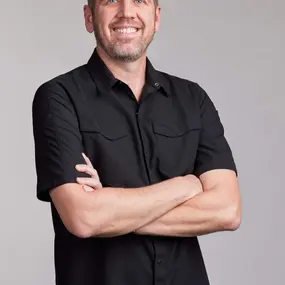
What if it's the fact that the business still needs you too much? Ryan Englin understands that problem from a place that is deeply personal. Growing up, he watched his entrepreneur father work long hours and carry the weight of a business that depended heavily on him.
Ryan eventually realized that the problem was not a lack of ambition. It was the difficulty of finding, developing, and keeping the right people. That experience became the foundation for Core Matters, where Ryan helps owner-led frontline businesses turn hiring, onboarding, leadership, and employee engagement into repeatable systems.
His thinking challenges one of business' most persistent assumptions: recruiting is not simply an HR function. Ryan believes recruiting is marketing, interviewing is sales, and the quality of your team ultimately determines how dependent the company remains on you. He's also the bestselling author of Hire Better People Faster, creator of the CoreFit Blueprint, host of Systems Not Seminars, and the inventor of FieldsCon.
But beneath the hiring system is a much bigger conversation about freedom, leadership, culture, family, and what it really takes to build a company that can grow without consuming the person who created it. And that is where Ryan's story gets especially interesting


