


Wall Street Exit to Health CEO John Oberg Reveals The Founder Lesson Most Learn Too Late (#540)
Send us Fan Mail Exclusive Insights from This Week's Episodes Founders often chase growth while health, values, and relationships quietly pay the bill. Wall Street Exit to Health CEO John Oberg reveals the lesson most learn too late. Episode Highlights [00:08:00] John reveals why a 10 year vision makes today’s hard decisions clearer. [00:14:00] The mentor lesson that exposed priorities through a calendar and checkbook. [00:21:00] John explains how trust can grow in layers instead of all or no...
 Apple Podcasts Apple Podcasts
  Spotify Spotify
  RSS Feed RSS Feed
  Amazon Music Amazon Music
  Podcast Addict Podcast Addict
  iHeartRadio iHeartRadio
  Castro Castro
  PlayerFM PlayerFM
  Podchaser Podchaser
  Overcast Overcast
  RadioPublic RadioPublic
  PocketCasts PocketCasts
  Audible Audible
  Pandora Pandora
  YouTube YouTube
 Exclusive Insights from This Week's Episodes
Founders often chase growth while health, values, and relationships quietly pay the bill. Wall Street Exit to Health CEO John Oberg reveals the lesson most learn too late.
Episode Highlights
[00:08:00] John reveals why a 10 year vision makes today’s hard decisions clearer.
[00:14:00] The mentor lesson that exposed priorities through a calendar and checkbook.
[00:21:00] John explains how trust can grow in layers instead of all or nothing.
[00:27:00] The life plan that helps founders avoid a brutal post exit identity crash.
[00:33:00] Why health and ambition are not competing priorities for serious founders.
[00:36:00] John rejects the false choice between business success and founder health.
[00:45:00] The billion lives mission and why John now measures success beyond money.
Full show notes, transcript, and resources for this episode:
https://podcast.deepwealth.com/540
The Deep Wealth Podcast
Most entrepreneurs do not fail.
They just carry too much for too long.
The business grows. Pressure grows faster. Profits get harder to predict. Decisions cost more energy. Over time, focus slips and health takes the hit.
The Deep Wealth Podcast and Deep Wealth Mastery are built from real experience. We're the only system based on a 9-figure exit. This system exists because guessing gets expensive.
🧠 Deep Wealth Mastery
This is for you if you want to:
• Grow a profitable business without becoming the bottleneck
• Build real value so selling is optional, not forced
• Optimize your health before it limits your business and life
One proven roadmap for real decisions.
⭐ Explore Deep Wealth Mastery
https://iapdw.com/idm
🎧 Subscribe
https://iapdw.com/podcast
📘 Free eBook
https://iapdw.com/ebook
💬 Have a question you keep circling back to?
Leave a short voicemail
https://podcast.deepwealth.com/voicemail/
Built by entrepreneurs. For entrepreneurs.
Loved this Deep Wealth Podcast episode?
You built your business from nothing.
Now make it pay off big.
📱 Subscribe Now
As a bootstrapper, every move counts. Subscribe on your favorite platform for Jeffrey Feldberg’s 9-figure exit strategies. From your morning grind to late-night planning, get insights from founders who did it without investors. These tips could change your future.
Drop a Quick Review
Got 30 seconds? Leave a 5-star review. It helps us make better episodes and reach entrepreneurs like you, hustling without a safety net.
Don’t Lose Your Exit (And Your Financial Freedom)
You’ve poured everything into your business. A bad exit could cost you millions. Most deals fail, and even “successful” ones lose half their value. The 90-day Deep Wealth Mastery program teaches you to make your business run without you and boost profits so you capture the best deal instead of any deal.
What Others Say
“Deep Wealth Mastery is pure gold. I wish I’d had it before my exit,” says Stacey C. “The value I’ve gained dwarfs the investment,” adds Sanjay S. “It makes my business great to own and sell,” shares William S.
📘 Grab Free Tools
Check out client success stories for proof. Master the Deep Wealth Strategy Map to plan your exit. Or snag the eBook, From 7 to 9 Figures: The Exit Playbook, for a clear guide.
Click here to start your legacy-defining exit today.
00:00 - Wall Street to Wellness
01:21 - Sponsor Deep Wealth Mastery
03:15 - Welcome Back John Oberg
04:36 - Early Life Turning Point
06:41 - First Startup Lessons
07:08 - Timeless Founder Advice
10:56 - Investor Mindset Unfair Edge
14:11 - Mentorship That Matters
18:43 - Beyond Transactional Relationships
20:16 - Trust Faith and Gratitude
26:29 - Life Planning and Health Map
30:51 - Deliberate Over Balance
32:31 - Vacation Boundaries
33:45 - Health Fuels Performance
37:07 - Accountability Glass Balls
38:42 - Habits Beat Willpower
41:23 - Ikigai And Legacy
44:02 - Billion Lives Mission
46:12 - Loss And Calling
50:15 - Start Small Seek Support
51:13 - Life Advice At 18
52:35 - Where To Connect
53:55 - Subscribe And Closing
540 John Oberg
[00:00:00]
Wall Street to Wellness
Jeffrey Feldberg: What happens when someone builds a thriving career in finance and then walks away because something deeper is calling. John Oberg is not just the founder and CEO of Precina Health, a company, transforming how diabetes and chronic conditions are treated across America.
He's a man who's made a radical pivot from Wall Street to the front lines of metabolic health, driven by the conviction that the system was broken and that people deserve better.
Under his leadership, Preecina has become a force in reversing type two diabetes through lifestyle medicine, empowering patients to reclaim their health rather than managing lifelong decline.
But John's story is not only about business, it's about identity, purpose, faith risk, and the quiet courage it takes to build something mission-driven in a profit-driven world. He's also the author of Tales of Abundance, a reflection of mindset, prosperity, and living in alignment with deeper values. John [00:01:00] represents a rare intersection of financial acumen, spiritual grounding, and health innovation.
His journey challenges the conventional definition of success and asks a more uncomfortable question.
What's Wealth?
This is a conversation about building companies that heal, leading with conviction and redefining what enough means.
Sponsor Deep Wealth Mastery
Jeffrey Feldberg: And before we hop into the podcast, a quick word from our sponsor, Deep Wealth and the Deep Wealth Mastery Program. We have William, a graduate of Deep Both Mastery, and he says, I didn't have the time for Deep Both Mastery, but I made the time and I'm glad I did.
What I learned goes far beyond any other executive program or coach I've ever experienced. Or how about Bruce? Bruce says, before Deep Wealth Mastery, the challenge I had with most business programs, coaches, or blogs was that they were one dimensional. Through Deep Wealth Mastery, I'm part of a richer community of other successful business owners.
The idea shared forever changed the trajectory of the business and best of all, the experience was fun. And we'll round things out [00:02:00] with Stacey.
Stacey said, I wish I had access to the Deep Wealth Mastery before my liquidity event, as it would have been extremely helpful. Deep Wealth Mastery exceeded my expectations in terms of content and quality.
And you know what, my Deep Wealth Nation, why they're saying this is because Deep Wealth Mastery, it's the only system based on a nine figure deal. That was my deal. And as you know, I said no to a seven figure offer, and I created a system that we now call Deep Wealth Mastery that helped myself and my business partners, welcome from a different buyer, a different offer, a nine figure exit.
So if you're interested in growing your profits, preparing for a future liquidity event, if that's two years away or 20 years away, and you want to optimize your post exit life, Deep Wealth Mastery is for you. Please email success at deepwealth. com. Again, that's success, S U C C E S S, at deepwealth. com. We'll send you all the information about Deep Wealth Mastery, otherwise known as Scale for Ultimate Sale. That's where you want to be. You want to be with other successful business owners, entrepreneurs, and founders [00:03:00] just like you who are looking to create market disruptions.
And they want to lock in their financial freedom and have success and fulfillment.
That's the 90 day Deep Wealth Mastery Program. It has your name on it. All you need to do is take the next step. Send an email to success at deepwealth. com.
Welcome Back John Oberg
Jeffrey Feldberg: Deep Wealth Nation, welcome to another episode of The Deep Wealth Podcast. Well, you are no stranger to the very special guest that we have today in the Deep Wealth Podcast. You've heard him before. Just a short while back. I gotta tell you, Deep Wealth Nation, after we stopped recording, John and I were speaking offline and we both had so much fun.
John was very gracious and said, Jeffrey, you gotta come onto my podcast. And I said, Hey. Why don't you come back for a follow up? Why don't we cover all the things that we couldn't cover in the first round? So John, welcome back to the Deep Wealth Podcast and once again, it is such a delight and a pleasure to have you back with us.
You already covered the story behind the story. I was wondering though. You're successful. You're a very modest guy, but you're successful and you've done so much. And I [00:04:00] know sometimes we are never a prophet in our hometown, but you have accomplished so much. You've been so many places, you've changed so many lives.
Can you share with us the other story behind the story that we haven't yet covered? Why did you get into your entrepreneurial career? What got you there? And while you're doing that. When did health begin to come onto the scene? And perhaps we can talk about that and eventually you see where that takes us, but maybe merge everything up, your entrepreneurial career, your exits, what you're doing on the health side.
We talked about the type two diabetes rehearsal, all of that. We'll throw that into the mix and do a little bit of tap dancing real time here and see where that takes us. What do you think?
Early Life Turning Point
Dr. John Oberg: My story probably begins before my business career. There's some things that shaped me pretty early on. and this is a well publicized story, so I'm not trying to be dramatic. My father passed away when I was really young.
It was a fairly dramatic event and it really had me think about the future in ways that I'm sure, not a lot of children think about the future. And so that shaped me, psychologically for a long period of time. [00:05:00] And so when I got into my career. During and after college I joined a privately held company.
It was successful in its own right and I started working in sales and sales management, and I took a number of promotions very quickly throughout the years and generally considered, pretty successful in that company. I was inducted into their corporate Hall of fame around the age of 30, and so.
But at some point it was clear that I wasn't gonna keep moving up in that company. And so I moved out of that firm and went back to school I went to get a master's degree and started working with one of my professors who was also a consultant working on tech transfer. How do you spin technology out of a nuclear laboratory?
And that was super fun because I got to see all kinds of technologies that were being developed and see what things you could commercialize. And that was probably my first real exposure to entrepreneurship along with some consulting work that I was doing. During that time, I uh, had some, contacts into some [00:06:00] companies that were working in Las Vegas, Nevada.
And I got a little bit of exposure into the world of gaming. And so, very interesting. Industry, a very different industry in different states, I found out, but I was able to learn about how you do due diligence into a business and, what drives financial versus strategic decision making when companies are bought and sold.
And so that was a really interesting time for me as I was, my master's degree is. an MBA with concentrations in commercialization of technology or management of technology. And then I also got a concentration in policy and planning. So I got to learn a lot about the people side of things and then also the, technology commercialization side of things.
And that kind of, I, I ended up.
First Startup Lessons
Dr. John Oberg: Starting a company at that point it was called Mobile Evolution, and with a couple of really smart technical people on the technical team, we wrote the patents for credit card processing on a mobile device back when people were using flip phones before, smart phones were a thing.
And so that was a pretty cool event and we raised a bunch of money and we were too early. We [00:07:00] did that in 2004, 2005, 2006. The iPhone didn't come on the scene until 2008. And so, We did a really good job of putting that company into the ground.
Timeless Founder Advice
Jeffrey Feldberg: Well, let's speak about that for just a moment. We'll put a pause on things with your journey, because I look at. Myself as an example, I'll put myself under the microscope and then pass the torch over to you. If I were to try and replicate what I did with Embanet today, I would fail. Just marketplace changes, technology changes.
What worked yesterday doesn't necessarily work today. What I would have confidence in though, is how I approach business, how I look at the world, how I say, okay, one plus one doesn't equal two, it equals five. Let's figure out how to get there. And that's Jeffrey with his bootstrapping mode. And that may not be your mode.
You may be more, well, let's get some venture capital or some pe. But putting that aside, John, when you look back when you started in business and whether you drove it to the stars and the moon and everything else, or it was into the ground or somewhere in between, looking back, what would be [00:08:00] some approaches to business or some strategies that you might be able to share with DePaul Nation that either.
Didn't serve you well or served you very well, that it's really timeless, independent of technology or market sentiment or where things are.
Dr. John Oberg: Someone was talking about starting a business and like, well, what do I do? I was like, well, have you talked to 200 people in the industry? Have you talked to the buyers? Have you talked to the vendors? Have you talked to all the people? I always get worried for people who have a great mouse trap and they are a solution in search of a problem.
That's always concerning to me. And so I, there's some research done heuristically by. Some private equity people years ago, and it was like, I can't remember the number. I'll make it up. It was like 700 private equity firms in all their portfolios. And they looked at the success of people who started companies and whether it was private equity backed or not.
It was multiple founders that came from the industry and their average age was like 45 of 20 years of experience in the industry. And that's not saying that you can't be successful if you're not in the industry, but you better know the industry like you've been in it for 20 years. And so in the absence [00:09:00] of that 20 years of experience.
I think, hundreds of interviews are really important. Having well-crafted questions where you're not drinking your own Kool-Aid, right? You're not just trying to like, validate your own position, but you're genuinely curious about problems, genuinely curious about value exchange.
Genuinely curious about, solving something that's real value creation. I think that's a step that gets skipped sometimes and to the detriment of. I'll give you an example. I have invested in a lot of companies and a guy came to me recently and he's look at this really cool product.
Look how awesome it is. And I was like, well, I work in that space and I'm gonna tell you your buyer doesn't think it's a problem and you're up against all these other technologies and your message is falling flat with me. So I'm only telling you this to try to help you. I'm not trying to poo poo you, but I don't think and so then he went and asked my friend for money.
My friend's like, what do you think? And I went the same conversation. My friend's like, yeah, it's not, I'm not gonna invest. For understandable reasons.
Jeffrey Feldberg: And so what you just ran through in seconds, because you have the experience, you've been on both sides of the table, and now that [00:10:00] you're investing, it's a different side of things that you have on the line. It's your money, it's your future profits, it's your opportunity cost when we're a founder. It's the same, but it's different.
And so for someone who's in deep default nation and perhaps they're looking for the next market disruption, or perhaps they're brand new in business, I know as a founder myself, the founder mindset would sometimes blind me. To the shockingly obvious that I just didn't see, and it took me down a path that was wasted time, effort, and money.
So as an investor, what would you want the founders in Depot Nation to know? Maybe they've been at it for decades, or maybe this is day one, but everything else in between. What would be some guidelines or some guardrails of, Hey, when you're doing this. Here's what, an investor, your future investor, maybe even a future buyer for your company.
Here's what's going through my mind. You better make sure that you have these boxes checked before you ever speak with someone like myself.
Investor Mindset Unfair Edge
Dr. John Oberg: it depends on the stage of the company and what the risk profile looks like. But the [00:11:00] high level, what I would say is I bet on people like, so I wanna know that the person is a winner. They have a history of winning, and they have a history of kind of the appropriate balance of optimism with.
Curiosity enough ability to take in information to change course so they don't run themselves and, along with the capital of the investor right off the cliff. Then I genuinely, I like to invest alongside other people who are expert in an industry if I'm not an expert. So either I wanna be able to have real influence where I can help influence the outcome positively for the place that I'm putting money in so I can be helpful with my network, I need to do something so that I can actually.
Tip the scales in their favor or invest alongside someone who can do that for them. And so I, I want an unfair advantage.
Jeffrey Feldberg: So what I'm hearing you say in Deep Wealth Nation, let's play close attention here. What I'm hearing you say, John, is if you're gonna be coming in as an investor, number one, who is the team? Who are the people that are surrounding that founder? And in addition to, maybe they're in the company, but if they're not in the company, has that [00:12:00] founder surrounding him or herself with people in the industry who.
I don't know if thought leaders would be the right word, but they know their stuff. They know where things are going. They know where things are not, and that's giving you confidence. Okay. Yeah. Jeffrey has a great team around him. He's networked and has on his board, or he regularly confides in these incredible thought leaders who have been in the industry forever.
They know where things are going. Yeah, he's well plugged in. Got it. That gives me some confidence that not gonna be perfect, but for the most part, he's gonna get a sense of his North Star and he's heading the right way. How am I doing with that?
Dr. John Oberg: I think that's pretty close. I think the things that I really dive into, if it's, depending on the stage of the company, I really wanna understand either the go-to-market plan or the scaling plan, depending on where they are. And I'm really listening for if that's coming out of an academic textbook or if it's coming from hard one lessons where people have real answers that make sense to me. and by the way, I think there are people that may have great plans that I just can't wrap my head around, which makes me not a smart investor for them. So not good for me, but worse, [00:13:00] not good for them. The worst thing you want is someone who's invested in your company who can't add value or is gonna distract you in the process.
Jeffrey Feldberg: Okay, so you're looking at connections. You're looking at the strength of the team, the strength of the bench, where they are in the industry, and then from your side, okay, can I add value? So in addition to writing the check, that's all fine and easy. Your particular investing style is, I don't wanna be passive, I don't wanna be silent behind the scenes.
Where I can, where I'm able to, I want to add some value. So does the business, does the industry, does the opportunity, does the problem that they want to crack, is that something of interest for me? Is that something that gets me fired up and being passionate? Which goes right back to what you're sharing with that founder who approached you.
Hey, deep default nation, are you trying to solve the right problem in the first place or are you going down a path that, hey, it's probably a waste of time and money and you should be focusing on other things. So how is founders? It sounds so easy from the outside looking in when we're drinking our own Kool-Aid.
What would be some guardrails, John, based on your own [00:14:00] experiences of is this the right problem? Am I going down the right path? Or, Hey, stop. Don't pass. Go. Don't collect your $200. Go in the other direction. Let's get outta jail here. Pick a bigger and better problem.
Mentorship That Matters
Dr. John Oberg: I think mentorship is a really great tool for entrepreneurs. Like I try to mentor three people who are 10 years behind me, and then I like to have mentors, three of them that are 10 years ahead of me. and I started by wanting mentors to mentor. Were me and I didn't find them right out of the gate.
So I started by mentoring people that were 10 years behind me. And as I started mentoring people 10 years behind me, mentors showed up for me that were 10 years ahead of me. And I had some mentors that were very specifically, there were areas of things they were gonna mentor me in. And eventually I had one or two mentors who I could look at kinda their whole life and they could speak to me more broadly about life.
And so I do think having really smart mentors around is a helpful thing because. I can remember some of the things were said to me over the years, one of them, I said, well, if you get into mentoring, I wanna share with you kinda like my core values and my beliefs and what my priorities are.
And he said, oh, I [00:15:00] don't need you to do that. Just show me your checkbook and your calendar. I'll tell you what your priorities are. And that hit me like a thousand ton train. I was like, Ooh. It's can I come back to you in 90 days? So my bank statements and my calendar look different 'cause I don't like the answer today.
And he just smiled and it was one of the best lessons I've had.
Jeffrey Feldberg: Wow. And so duplication. What's coming out for me, and I hope you're paying attention. This is not a one person effort. It takes a village as a saying goes to really get out there and make successful. And one of the themes that you're sharing with us, whether it was early days or even today, after all this time that you've had the success that you've had, it comes back to the people that we're surrounding ourselves with.
And I suppose Jim Rohn quote, one of my favorites. You are the average of the five people that you're spending the most amount of time with. And so when it comes to finding those mentors, where do we begin and how do we approach a mentor, particularly if they're successful?
They're out there, they're on the a's list. They're on the who's who. What does that look like?
Dr. John Oberg: I had someone [00:16:00] reach out to me recently and asked if I would mentor them, and I said yes, I put the weight back on them to reach out. So I think a good mentee makes mentoring really easy. The mentor, they come occasionally, let's say once every three months or four months with a specific question.
And they make it really easy for the mentor to be helpful. And then they follow up and let the mentor know whether that was helpful or not. when I mentor people, I've got a little bit more structure than that that I use. But I think generally speaking, as you approach someone, it's like, would you mentor me?
Is someone who doesn't have kind of a dog in the fight? As it were. And it's usually, about a specific thing and but it's not just meandering. I think mentors want to add value if they're really successful and they wanna see that value's being accepted. I do know that there's been, people that I've mentored and nothing ever changed.
And at some point I decided I wasn't being helpful to them. And so it wasn't useful for either one of us to spend time in that particular mode.
Jeffrey Feldberg: And so it's interesting because I know when we're looking for mentors, we're being selfish and there's no [00:17:00] judgment. When I say selfish, it's in a good way. How can I better myself? How can I take. Through that mentorship myself or the company to the next level you're sharing. The flip side of that is, Hey Jeffrey, I'd love to mentor.
I'm just not going to mentor for the sake of mentoring. There are certain things that I wanna get outta this, and I know for each person it's going to be different. But John, for someone like yourself, what would be some of the key criteria of, this mentoring kind of relationship.
Dr. John Oberg: Yeah. For me personally, it's making sure the time is well invested, It's helping somebody else, even if it's not helping me. even really think if it helps me or not. It's really about what am I doing to give back. But if I'm giving back and that person, it's not helping them, it's not, in some way, shape or form, then you know, it's like it may be distracting them.
And I don't wanna be a distraction for somebody. And I'm very thoughtful when I mentor that. Like I don't want to push my agenda needs any of those things onto somebody. I really am there to help them get. Further on their path for them, [00:18:00] not get them onto some path that, or agenda that I have. so it's not really about what I want as much as it is, I wanna be sure that I'm doing no harm.
Jeffrey Feldberg: Okay, so you're doing no harm. Your time is invested wisely. It's making a difference. It's making an impact. I'll make a big sub position here, but I suppose is the mentee actually taking to heart what I'm sharing and meaningfully trying to make that difference? And am I seeing that effort being made with what I'm sharing?
Dr. John Oberg: Yeah, that's right.
Jeffrey Feldberg: And so mentorship for you was huge and made a big difference in your career and your success of where it got you to today. What else, though, looking back were some things that made a difference for you to help get you to where you are?
Beyond Transactional Relationships
Dr. John Oberg: I think one of the big ones is how I see relationships professionally. That was a, there was a big change for me, probably 12 or 13 years into my career where it went from being a series of kind of transactional relationships in my professional life to a [00:19:00] series of. Professional relationships that were more meaningful, long-term value producing, certainly.
But it was no longer a quid pro quo where everything had an exchange of value all the time, every time. It one of a great book that I read along the way was the Go-Giver. And,
Jeffrey Feldberg: I love that book. Yeah.
Dr. John Oberg: I think that, knowing that. I don't need everything to come my way all the time.
Like I just, but there are also times where, you know, if someone's taking advantage, being able to be thoughtful and diligent about not letting myself be taken advantage of either. where's the balance? And so. I think that book, the Trusted Advisor. There are a couple of really good books that I read along the way that I think shaped my thinking around healthy, strong, professional relationships.
As a result we talked a lot about my medical practice. I have a. Consulting business that I run and, some of the clients I've had in that consulting business have been clients through three or four companies over 20 years. I mean, you're not gonna be shocked to hear that 'cause I'm sure you have the same type of relationship with people that you work with.
And so, that's what I value. I [00:20:00] value having, people that I enjoy working with day to day, that I want to be around, that I want to create. Value with them and that way you can look at Wealth financially, but you can also look at Wealth of friendships or Wealth of health.
All the things I'm sure that you're talking about every day.
Jeffrey Feldberg: Absolutely.
Trust Faith and Gratitude
Jeffrey Feldberg: And circling back to what you said. I am sure you've all been there. I know I've certainly been there. Where I take people at face value. I take people more times than not, they've got a good heart, they're gonna do the right thing. And John, guess what? There are some people where it's the opposite of what they're saying and I've been taking advantage of and how coming out of that.
It could be okay, I'm never gonna trust anyone again, and I'm just gonna do everything myself, or I'm gonna keep on trusting and it's not gonna be once bit and twice shy. The same thing keeps on going. There's always moderation. There's always a balance. And so when you've been taken advantage of in any number of ways, perhaps someone took advantage of your generosity with your time or with your investment and money and really took you for a ride in the wrong way, how [00:21:00] do you come back from that and, and not let that taint you in a negative way to prevent.
Future opportunities where, yeah, it is the real deal and they're a great person. It's a great opportunity, and with your help, whether it be time or investment, it can be taken to the next level.
Dr. John Oberg: I think for me I try to, learn lessons. If I've made mistakes in the past, I wanna learn lessons. my wife has this great saying professionally, she says, instead of feedback feed forward, okay, what does that mean? It's well, it's like what happened in the past feeds forward into your lessons of the future.
So if something happened in the past, how do you not make that mistake again? But also not being so calloused That you're not willing to take a risk, take a chance. And I think for me, I try to be pretty open-handed with my trust in general. And it has burned me in the past. Like There are certainly a number of circumstances where that's burned me, but I have a very abundance.
Kind of framed mindset that risk is not defining to me I can move on, move forward, take the good from it and move [00:22:00] on. And so, I mean, this has happened to me a couple times more recently in the last four or five years. And so I just focus on what's next.
Okay, what's next? And then I've also learned that I don't have to be all or nothing about trust. Like I can trust someone a little than a little more than a little more. But that took me a couple years of therapy to figure that out. That there was, there, I remember a priest talking to me one time and he is trust is like an onion.
There's different layers to it and that's okay. And then I think for me, I think when people believe in something bigger than themselves, for me, I'm a Catholic and that's my. A kind of mental model. I know other people that have different mental models that work well for them, but believing in something bigger than yourself is biologically appropriate.
Like we're a community animal. If you look at the sociology of humans over the last 20,000 years, we're designed to be in community and so. That is a mental model that works really well for me to lean into trust and then recognize that sometimes you migrate between groups in your life.
There's some friendship groups that serve you for a period of time, and there's some that, that last a [00:23:00] lifetime and sometimes you don't know which is which. And so, but trying to be open-minded and grateful. I think gratitude's played a really important part in my life.
Jeffrey Feldberg: It's interesting and duplication with what I'm gonna share next please. Stay with us because if this is not your thing, don't tune out. I'm gonna use the word God. You may use the word universe or creator or maybe not at all, and that's okay. There's no judgment here. But be curious. Come in with an open mind to some of the things that we're gonna be talking about now.
And also goes back to what John was sharing with us. Part of his success was being curious. And so John, I know for yourself, faith is a big part of your life, especially now. Wasn't always same for myself. And it's interesting, this morning in my Bible study, we were talking about this as we wrapped up the Book of John, we were talking about, okay, well how has having God in our lives.
We're talking as a group, as myself and my business partner, how has that made a difference for us? And we are openly reflecting upon that and to what you're saying. I know for myself, one of the things that's made very apparent, to your point, [00:24:00] through blessings, through prayers, circumstances will happen or people will come into my life.
Maybe it's just for an instance, but that's exactly where there's supposed to be for that one specific moment, or maybe for it's a longer time. But for myself, it is the confidence, it's the faith in the true sense of the word of knowing, okay, I'm exactly where I'm supposed to be. With the people that I'm supposed to be with.
This is all preordained in a very powerful way. I don't necessarily need to understand, and there's a sense of calm, at least for me, that I feel when thinking about that as we're talking about this. How about yourself? How does faith begin to play a role for you? Your relationship with God in areas of the unknown you're in?
Perhaps it's a new investment or a new venture, or even what you're doing right now. This is all new. You don't know how it's gonna turn out. How does that play a role for you?
Dr. John Oberg: I think, praying every day, praying at every moment would be the ideal. Situation for me to be in. If I could say a quick prayer before every sentence on this show I think it runs the risk of like, I wanna wear my.
faith life [00:25:00] on my sleeve in the sense I'm not in any way embarrassed by it. But to your point earlier, no judgment either, right? Like I think, my model for talking to people about it is I'm happy to share my story. If that's not your story, it's okay. Everyone's in a different place spiritually, and I think I accept that.
And so for me, I just try to practice radical acceptance and for people to feel loved. When they meet with me and if they wanna talk about this, great. And if they don't wanna talk about it, that's okay too. But when I was able to get to a place where I could receive people caring for me, I. I didn't have to control everything and I could accept there were things I couldn't understand like, boy, that it made a real difference for me, like that acceptance that I can only control my thoughts and my actions and that there's a lot I couldn't control, that I could accept people for who they were, even if they were different than me.
It opened up so many relationships and so many conversations and someone said that. I can't remember. The famous person said like, the ability to hold two opposing thoughts in your brain at the same time was a sign of [00:26:00] intelligence. the world has really moved away from that for reasons that fit, marketing and for reasons that fit power and control.
And would like us to be able just to have better, deeper conversations, even where we don't necessarily agree for the purpose of curiosity and caring and learning and moving ourselves forward. And I think the world would be a better place if we all took a step in that direction.
Jeffrey Feldberg: Yeah. My goodness. It sure would be. And as you're speaking about that. Control and trying to control other people and the stress that it creates.
Life Planning and Health Map
Jeffrey Feldberg: I wanna tie that into something that offline we were speaking with. Not a lot of people do this though, and I know I am guilty as charged with this because for me it was business.
Jeffrey, live the crazy, insane life now. So that later on you won't have to and achieve and cross that finish line and get that material success now. And the assumption was that I'll be around and I'll be able to undo whatever was done on the health side with a very unhealthy lifestyle. [00:27:00] And so I know. A life map is very important to you and you're very contemplative and you're thinking not just for today, but also long term.
And that shows in your success in business also your success in life and what you've been doing. So when did that begin to play a role in your life map when it came to your health or perhaps lack of health at times? What does that look like for you? What's that narrative?
Dr. John Oberg: I wrote my first kind of life plan when I was 19 years old at the, urging of a mentor. No shock there, right? And so I've had some version of that document on and off since I was 19 years old. I'm 53 now. and it's gone through times where I didn't touch it for five years there's been times I looked at it, weekly for a quarter and updated it and made it better.
it's taken all shapes and forms over the years, but I try to think about what do I want my life to be like 10 years from now? And if that's true, what do I have to do today to make that so? And so my 10 year plan is pretty broad and directional, but my daily plan is pretty deliberate and [00:28:00] immediate.
that's how I think about a life plan and I think there's phases to your life. Like I've got, a son who's, 21 and daughter who's 23, and a son who's 15. And so when I talk to them about where they are in their careers, like they're in that kind of like individual contributor, learn a craft part of their career.
And then later you move into the part where you learn your craft and you move into like how to use leverage. With your craft. And from there you learn how to have like broad impact in your career, in the way that you're shaped to do that. You're either an expert craftsman, you know, it could be a master plumber you could be a CEO or you could be both.
so, but there's that third phase of life where you're at the peak of your game. And the fourth part of your career is where you're giving back as the sage, the statesman, the, queen of the, environment. And so I'm in the third stage right now, just sociologically, right?
but I know that in about 10 to 15 years I'll be in that fourth stage. And so what are the things that I want and need to do now? To not have a [00:29:00] rough transition later on, because I've coached a lot of people throughout the years for going through that retirement transition. And it leads to depression, it leads to flailing, it leads to unhappiness, you know, all these things.
And so the people that I've helped think through that ahead of time it's a much smoother transition from the kind of peak of a career into the kind of giving back. Part of their career.
Jeffrey Feldberg: Absolutely. And one of the questions I have as you're talking about that. It's a privilege to be able to do that. You've earned that. You've paid your stripes, you've gone to the school of hard knocks. You came up with a PhD in areas you didn't necessarily sign up for or knew ahead of time that you're signing up for.
So going back to the house side of things, then, knowing what I know now, I consider myself fortunate and you're in the same position, John, if you and I don't wanna do something. If we don't wanna show up to something, we're likely not going to do it. And nine times outta 10 we'll say no. And we have that flexibility.
So [00:30:00] as an example, if there's an event that's past my bedtime, so to speak, and I'm early to bed, early to rise, and people nation, when I say early to bed, I'm usually in bed. Eight o'clock, eight 15, hoping to be asleep by eight 30 more times than not, and I'll be up. My aim is around five 30. Usually it's closer to five.
Somewhere in between there. Sometimes a tab of four time TA after I, I look to keep that consistent, so if there's gonna be an event that's gonna be nine or 10 at night, I'll politely decline because I can. And it's of more times, not no consequence. Always exceptions. I get that, especially for family Now.
Dr. John Oberg: Sure.
Jeffrey Feldberg: Back in the day though, I wouldn't necessarily be in that position to be able to do that and there would be consequences. And I look at my eldest daughter, who's now at a startup in the CPG industry doing some incredible things and I see what's being asked of her. And back in the day, same of me. And I'd be, okay, jump.
Deliberate Over Balance
Jeffrey Feldberg: How high and how do we, trying to find the words here, find that I don't believe in balance. It's more blending. But how do [00:31:00] we. Take care of our health on the one hand and not railroad ourselves for opportunities and business on the other hand, knowing what we both know, and we'll talk more about that on the health side of what you've been doing, and we did that in part one of our podcast interview and, and more here.
How do you handle that? What? What would
you suggest? it's such a deep question. You know, I, I talked about my life plan. I have my core values on there, and for years I had the core value of balance. It didn't sit well with me at all. And what I figured out was I didn't actually value balance. I valued deliberateness. And so by being deliberate.
Dr. John Oberg: By really choosing where I was gonna invest my time and my treasure and my talent, like that was the thing that really got me going. And so when my kids were younger, I was joking with one of my sons this week. Like I used to go meet him for lunch at his school occasionally, and I'd work 35 hours a week.
And I was doing really well in those 35, sometimes 40 hours a week. Now I'm working much harder than that and the kids are watching me work harder. Two of 'em are [00:32:00] out of the house, but I can deliberately spend time with my kids, deliberately spend time with my wife. And so I think deliberate is the word that I choose to make sure that I get the really high intensity quality time and also the amount of time they need in those relationships and with my friendships and with, you know, and so, I'm not scared to work on a weekend, occasionally if I want to, and I don't have to. And so I can make those choices and I can vacation in nice spots and I've taken more two week vacations in the last 10 years than I did in the, the first 40 years of my life. And.
Vacation Boundaries
Dr. John Oberg: And I feel really good about And I punch out like I know people that when they're on their vacation, they believe in that blended I'm still available for work when I'm on vacation. People that work with me know, like I am, like, you can get ahold of me if there's a truly an emergency, it better be an emergency.
can't remember the last time I was interrupted on vacation. Yeah.
Jeffrey Feldberg: And again, that. Comes from your experience and you've earned that privilege that right? And you're at a point in your life where you can do that. So to a founder in Deep Wealth Nation who's now saying, okay guys, this sounds [00:33:00] great. Easy for both of you to say
Dr. John Oberg: Yeah. Yeah, Yeah,
Jeffrey Feldberg: because you can, and you've done that. And okay, so what if it doesn't work out?
No big deal. You'll go on, you'll live another day, and you have what you've earned up to this point, and it's serving you very well. So using that. Deliberate approach of, okay, we're gonna throw balance out the window. It's gonna be deliberate in terms of what we're doing. For someone who's saying, yeah guys, I hear you, but I'm still gonna go for it and I'm gonna put my health off to the side because I'll figure this out after the fact.
Knowing what you know, and particularly now in the new business, when you're working with your clients, your patients, and you're seeing what's going on with them, why would you tell that founder in terms of how to look at this or balance it out
or figure this out?
Health Fuels Performance
Dr. John Oberg: mental health and physical health matter a lot. Like those things create energy and space for the smart thinking, for the, good decision making. when I was getting my doctorate, I have a doctor in social work. When I got that doctorate, I gained, was, I was 50 pounds heavier. Than I am [00:34:00] today,
Jeffrey Feldberg: Wow. My goodness. Wow.
Dr. John Oberg: and I and I was writing in my doctoral capstone project about metabolic disease. just think about the irony of that. Here I am studying metabolic disease in the middle of the pandemic, and my weight plateaus to 50 pounds heavier than what is reasonable.
And I looked at my partner who, who's a medical doctor, I was like, man I'm my own worst patient. And he laughed. He was like, I wasn't gonna say anything, but, and so, and now I wanna be my own best patient. And so I think there's things that if I were telling a founder, like to go for it, going for it would include physical health, it would include mental health.
Because if you don't do that, you don't have the capacity to be your best. And it doesn't take a lot to be in good physical health and good mental health, if you're deliberate.
So you can have both. I don't think they're mutually exclusive. I think that's a false narrative.
Jeffrey Feldberg: And so John, what I'm hearing you say, and for Deep Wealth Nation, decide what you want. And so I know as an example, again, I'll put myself under the microscope. My want is a long [00:35:00] lifespan. At the same time, a healthy health span. So I, I don't wanna be like that rocket ship up like most people. And then there's a fast decline.
I wanna square it out. I wanna round out the corners as it says. So it's being mobile, having my mental faculties, being able to move around and all those wonderful things. So do both nation, what is it that you want? John knows what he wants. And knowing what I know now, John, I can only hope that the younger Jeffrey, if I knew this when it came to health.
And it wasn't so ignorant like it was back in the day, and ignorance is not bliss that I would be able to come to terms with the fact that, okay, Jeffrey, put your health first. Yeah, you may cross the finish line slightly later, but the point is you're gonna cross it healthier, better, stronger with a longer lifespan health span.
Dr. John Oberg: Maybe you cross it faster. I mean, taking a 20 minute walk, might give you the space to cross the finish line faster, not slower. And so, I think that the dichotomy you set up in some [00:36:00] cases is a false dichotomy. And so I think, little things you can do, like walking a little further or getting some exercise or choosing the healthy meal instead of the less healthy meal.
Like I reject. The false dichotomy that you can't do both. Now, I'm not saying you can be a peak physical condition, a hundred mile, running athlete and go, slay the dragon on the bit. Like maybe there's some things that don't fit in that way, but I, for the very successful professionals that I work with, they're able to find time for both.
it's the sleeping in the garage and at the office narrative that maybe isn't the most helpful narrative to being successful in business or healthy.
Jeffrey Feldberg: Yeah and John, thanks for calling me out because the mindset that I was sharing. You're right. Hey, Jeffrey, well why have that mindset? There's an old saying, if you want something done, give it to the busy person because they don't have the time to meander around. They've. Okay. Yeah. Here we go. I gotta figure this out.
I have other things to do and so with the right mindset, okay, my main goal, my outcome [00:37:00] here is to be healthy. And any activities that aren't gonna be there, it's gonna affect me physically or mentally. It's just not gonna happen. You're right. Why?
Accountability Glass Balls
Dr. John Oberg: But accountability is important, right? So I have accountability partners for my exercise because I won't exercise just given my own devices. So I've had to set up structures to show up to exercise. You know, I saw this great meme online with a glass ball and a rubber ball, and it said, if you're juggling balls, you just need to know which ones are glass and which ones are rubber, like which ones can you drop without damage, and which ones break when you drop them.
And for me, health, if I'm not working out at least three times a week, right? Then that's a glass ball. That's, my fourth and fifth workouts. Those are rubber balls. My first three workouts are glass balls, and so I gotta know which ones I can't drop.
Jeffrey Feldberg: Love that. And as we're talking about this, you know, I'm thinking of a very successful advisor. I'm not gonna name names, he was quirky in his own way, but he was known in the industry was this was the guy who just wouldn't fly. So if you wanted to work with him. You better be prepared. [00:38:00] He's incredible at what he does, but he is not gonna fly to you.
You are either flying to him. This is before the days of Zoom and virtual meetings and everything else. You're either flying to him or it's gonna be a phone call. He's not gonna come fly out to you, and it's gonna be on his terms. And so perhaps the other part of it, John, as we're talking about this, is Hey, deputation.
Be so incredibly good at what you do, that your results speak for you. That if you're a little quirky or you have some things like crazy, Jeffrey, you know what? You're never gonna see him past eight o'clock at night at an event. Or he doesn't do dinners or he doesn't do lunches, but wow, you really wanna be with this guy because he gets stuff done.
He gets the results. This is where you want to be. People make exceptions for that when your results speak for themselves. Thoughts about that?
Dr. John Oberg: I love it.
Habits Beat Willpower
Dr. John Oberg: I would just add one more thing with a shout out to James Clear, who I've never met, but maybe someday I will. His book, atomic Habits. I think when you build structure and habit around some of these things, it becomes easier and easier. To have the life you wanna have when it's habitual versus kind of disciplined.
relying on discipline [00:39:00] isn't the easiest way to get through it, so.
Jeffrey Feldberg: And explain to Deep Wealth Nation John, why discipline is not a strategy.
Dr. John Oberg: willpower breaks. that's just true. And so when you have habits you don't get put into a position where you have to make the decision. it's habitual. I think there's some famous habits. Steve Jobs wearing the black turtleneck.
I've got a blue polo on. And the last time we did this, I had a blue polo on. And the funny part about that is every Monday through Friday, I have a blue polo on I'm not allowed to wear blue polos at date night with my wife, by the way.
'cause that's my work uniform. But I don't want the cognitive overhead in the morning. It's like I put on a blue polo, And so that's just one habit that kinda lowers my cognitive overhead. That gives me space for other things. I didn't make it up. People have seen that with famous entrepreneurs all the time.
I thought the black turtleneck didn't really look that great on me. The blue polo is fine, timeless, easy enough. So I think there's just things we can do to make more space for the important work of our brain.
Jeffrey Feldberg: Absolutely and love what you're sharing, very similar to you. And hey, didn't invent it, heard about that, and hey, yeah, why not? And so oftentimes I'll be wearing the same clothes or whatever the [00:40:00] case may be during the day because I don't wanna think about it. I want my energy, my focus to be on. To me, what areas are more important now?
Maybe fashion's your thing a whole different story. So we've talked about where you've been, we talked about where you're going and what you've been doing. We've talked about health, let's. Now begin to bring that all together, John. So today, as you look at where you are today, and perhaps this is tomorrow or next month or next year, it's always changing.
I get that. How are you successfully blending health with your business ambition? And by the way, I wanna share a compliment with you. Despite your success, I'm choosing my words very carefully, despite your success. You are to me, more ambitious now than perhaps you would've been at the start. And that's not always the case with a lot of post exit entrepreneurs, the very early post entrepreneur, otherwise known as Jeffrey, right after his exit.
Had no ambition and wow, did I pay the price for that? And over the years I've been saying, Hey, you know what? I'm happier when I have [00:41:00] the ambition. My ambition's actually growing year over year. Today I feel like I have more ambition than I did back in my e-learning company days, which to me would sound impossible or astounding, but it actually is, and that gives me that little kick in my step.
Because I'm excited about that. So how are you blending the health with your ambition, your vision, what you're doing on the business side? I would love to hear your inner workings on that.
Ikigai And Legacy
Dr. John Oberg: for me right now I've set a target for what I wanna do professionally and how I wanna leave an impact on the world. It comes back. To some work I did around the Japanese. I have an Ikigai and dunno if I'm pronouncing it correctly, but it has the concepts of what are you good at and what are you passionate about and what will the world pay you for and what mark do you wanna leave on the world?
And so for me, I simplified it down to like, what am I good at? What am I passionate about? How do I wanna spend my time? And then how do I wanna be remembered? And it really, i've been thinking about this for a very long time, but it really, it drove home in 2017 when my mom passed away. I had to write her a eulogy and I [00:42:00] thought about, how she'd impacted the world in her professional life and how she impacted her friends and her family and what she did for fun and how that impacted the world.
And then when I put all of that together into eulogy, it was like, I want to have. I could only hope that I am half as loved as she was. And so that then became the roadmap for me about what do I need to do to have the health span longevity, to have the type of impact that I want to have.
And that for me is physical health. It's also mental health and cognitive health. And so what are the things I can be doing down the middle, et cetera, the bullseye. Eating healthy, exercising, and then what do I need to be doing on the edges to give myself the best possible chance?
Because I think there's some things that are a little less well known, but worth trying, right? And so I'm trying to do all of that. I'm trying to do all those things. And, I work really hard still. I'm excited about doing that. I think that it, the evidence is pretty clear that the human body is designed to work.
And so if you look at sociology of the last, like again 20,000 years, [00:43:00] there's different types of work people do at different stages of their professional life. Sage were s stages for a reason. And so, I think that happens later in the career. And so how do I make sure that I'm really leaning into every part of where I am today?
And as importantly, trying not to get ahead of myself. I met someone recently who was graduating from college and they wanted to be a life coach right outta college. And I just thought to myself like, unless you're coaching college students, like. What's the value there? And so they had a good answer.
They wanted to coach people that were coming up behind them, and that was, I think they had some business model challenges, but. I get that. So I think that I wanna be right where I am. Like wherever you are, be there. And where I am right now is, I think I shared this last time think that there's three and a half billion people that have some type of metabolic dysfunction.
I think we can help a billion of 'em before I die. And we can do that by just how we treat them better. And so I think, you and I have talked a little bit about this, but like, how do I measure the direct or indirect impact of a billion people by changing the way we treat metabolic [00:44:00] disease?
And I think we're on the way.
Jeffrey Feldberg: Absolutely love that.
Billion Lives Mission
Jeffrey Feldberg: And speaking of ambition and, okay, yeah, Jeffrey, I wanna see if I can do a billion people and maybe even more than that, and get out there, change lives. Save lives. I mean, that's huge. When did you realize that hey. This is not only something that I can dream about. I can actually have an impact and why not?
Why not be me? That's out there affecting and affecting a billion people? Because I know for some of us, come on John, a billion people. Yeah, I hear you. I know you're great and successful, but a billion people, wouldn't that become from dream to, I can make this a reality.
Dr. John Oberg: I used to be really scared to share this publicly because I was in a group of very successful people and I shared this goal and it put off a lot of people. Like There was a lot of people. That were like clearly put off by it, and the group was being run by a psychologist who's pretty famous, who brought these people together and he is like, Hey man, you can't be that vulnerable when you're sharing.
I was like, there's a level of arrogance with it. And he was right, like I think it was not well delivered [00:45:00] on my part for sure. But now I tell my team, it's like we're gonna be billionaires. we don't measure in dollars, we measure in the number of lives we've improved I just wanna be bold about it Now. I think, a couple of people who are really close to me said, you can't worry about stepping on toes. If you wanna make omelets, you gotta crack some eggs. And so now I think we're just being less apologetic about the fact that that medicine exists today that can help people.
It's not being done as well as it could be. I don't blame anybody. The system is imperfect. I get that. Despite all of that, we have everything we need to be successful in the world right now to do this. And so I'm just gonna pick up the banner and carry it until someone tells me I'm doing it wrong or there's a better way or whatever.
But for right now, no one's doing it as well as we're doing it and we're changing lives. And it's not about the money, it's about like literally people that have been, uncontrolled. With diabetes for 20 years, for the first time, getting into control, staying in control, feeling great, all the things they've wanted for 20 years, we finally have an approach that works for them, especially the really sick patients.
And so I'm just trying to let my [00:46:00] enthusiasm come out in ways and if that offends someone guess I'm not gonna be apologetic about that. I'm just, I wanna help people. And if someone's. Gonna get in the way of that. Then cautiously and gently, I'm just gonna move around that and keep helping people.
Loss And Calling
Jeffrey Feldberg: And as you're talking about that, John, and before we go into wrap up mode, I'm curious if I can ask a very personal question with what you're doing now. Looking back at a very young age, you suffered a huge loss. And then recently as well, you're sharing with me what's going on with your mother. And again, condolences with all of that.
And I can relate to that because I lost my father, perhaps not as young as you. For me though, it was a big loss and it was still young. He was 59 when he had passed away far too young. And it impacts me in more ways that I can even think about even. Today, something comes up. Oh yeah. That's probably coming from my ability or inability of dealing with the loss of my father.
So in part of your ambition of, yeah, I wanna affect and [00:47:00] affect the lives of a billion people with what I'm doing, does loss with loss of parents or loss in your life, is that playing a role in there or not at all? Or how does that affect you?
Dr. John Oberg: My mom's loss she had chronic metabolic issues.
My in-laws, chronic metabolic issues. And so I think there's a lot of loss. And then when I looked at What was available. We had all the right answers in front of us, but no one was putting it together in a way that worked and that frustrated me. And so that's how I went back to get my doctorate.
And I was like, this is a solvable problem. And I. People who I, didn't think that I was going to have the successes was gonna have. And by the way, it wasn't just me like Dr. Dustin Williams, who's my partner, amazingly important part of the story. Like all the medical stuff comes from him.
And so, I brought in the behavioral component, but I. I think what really drove me was, this is gonna sound silly, I was driving into work in 1995. I drove past the McDonald's sign, it said, billions served. And I was like, man, if a dude can get a burger to serve a billion people, [00:48:00] or multiple billions of people.
Maybe I should try to help a billion people in some really positive way. And so I wrote it down in 1995 and didn't really know anything about how I was gonna do that for the next 20 years. But I found that in a journal. I was like, that's the calling. That's the thing that's been marked on my heart that I wanna work on.
And I've tried to put it down. Dozens and dozens of times in my life. I feel real peace about pursuing this mission. And when I try to put the mission down to focus on only something else I don't have the same peace, you
Jeffrey Feldberg: And so John, whether someone calls it this is your gut speaking to you, or God speaking to you, or the universe speaking to you, it's intuition. There's a lot to be said about that. And certain people who perhaps, hey, if it doesn't. Exist in a complicated formula, in a spreadsheet. It just doesn't exist. I mean, what you're talking about, Jeffrey, just, it didn't sit well with me.
Yeah. It's big. Sure. It sounds impossible, but I want to make it sound I'm possible. I get all that. So what was it that gave you, if I can use the [00:49:00] word courage, confidence, I'm just gonna do it. I can just feel it. I'm just gonna go for it.
Dr. John Oberg: I mean Kayley, my mother-in-law got sick and was in the hospital unnecessarily. And I got angry and I started calling people and I said, I'm gonna fix this problem. And I got, the haha, that's cute. You're not gonna be able to fix it. And that was the hold my beer moment, right?
Oh, like it's not so easy as someone saying, well John, you can't do it. Then I jump in. But it was kind of that, it was kind of like, you know, you could never do that. And I was just like, watch me. that was what kicked it off.
Jeffrey Feldberg: It's such a classic entrepreneurial founder. Sorry. Hey, Jeffrey. I had a very personal issue in my life. It bothered me and I know how I felt. I didn't want other people to feel like this and I really wanted to solve it. I absolutely love that, John, with what you're doing and how you're making it a difference out there.
And just before we wrap things up with what you're doing now. The billion lives you're looking to change, and I love that with you and the team, you're counting your billions not in dollars, but in people and in lives that you're impacting and saving. I know we went into depth in our first interview [00:50:00] together of what you're doing with the types of diabetes and the health overall.
Quickly circling back to that, is there anything else that you want to add to that in terms of some insights or the difference that you're making or why we should be paying attention to this if we're not?
Start Small Seek Support
Dr. John Oberg: I think the thing that if it wasn't clear the first time is like, whatever change you want in your life, just start small. Like radically small and start really, and then whatever you think is small, start smaller and then just give yourself the grace to keep going. if you miss a day, let's get back to it.
And then build a team of people around you that are gonna support you through it. Like whatever changes you wanna make in your life, like you can do it. And you're not sure about the how, reach out. I'm around, I'm easy to get ahold of.
Jeffrey Feldberg: And the great news Deep Wealth Nation. We're gonna have all that in the show notes. And John, because it's still so fresh in your mind when I ask you the traditional question here in the Deep Wealth Podcast, as we now go into wrap up mode of going back in time and sharing with yourself some life wisdom or life lessons, or, Hey John, do this, but don't do that.
In that magical DeLorean car you had said, Hey, Jeffrey, [00:51:00] I would tell my younger self, ultimately everything will be okay, and you've had some time to sleep on that as the expression goes. Looking back at that, is there anything that you'd add to that? If you could go back in time in that DeLorean car to your younger self?
Life Advice At 18
Dr. John Oberg: Between the last time you and I talked, I went back and looked at I write a letter to my kids when they're 18, and the letter is always the same. It's about how to make good decisions and the three most important decisions you make in your life and the three most important decisions you make in your life at that age are the choices of vocation you're gonna pursue.
The people you're gonna spend time with and what you believe in that's bigger than yourself. and then I talk about the importance of gratitude when you make those decisions. And so if I could have gone back and written myself that letter at 18, it would've been pretty meaningful to me.
Jeffrey Feldberg: Wow. And how would that have been meaningful back at the tender age of 18? What do you think it would've brought out or had you start or stop?
Dr. John Oberg: I don't know that I wish anything would've changed. I'm a big believer that, I'm really happy with where I am and the butterfly effect changes everything. So I don't know that I would've changed anything, but that's been some of the most powerful guidance I've been given in my life by mentors.
And so [00:52:00] the, I think the earlier that I would've had at the better.
Jeffrey Feldberg: Okay. And so a lot for us to think about in terms of that, but what's coming through and for Deep both Nation, I hope you're picking up on this, John. You are thoughtful, you are deliberate. Not to the point of, oh my gosh, the sky is falling. I can't leave the house today. But it's more of, okay, I'm not gonna be that ship without the rudder, that proverbial ship without the rudder, where the oceans or the tide are just gonna take it, where it's taking it.
We can't control what's gonna be happening, but we can't control our reactions and at least have that north star in terms of what we're about and where we're heading, and really respect that.
Where To Connect
Jeffrey Feldberg: Again, it's all in the show notes, but for the benefit of default nation, if someone does wanna reach out, perhaps they or their loved ones, they have type two diabetes, or they're down that path, they don't know what to do and their doctor is not telling them the news that they want to hear, where would be the best place to reach you?
The team online
that they can make a difference.
Dr. John Oberg: come. find me, just pristina, P-R-E-C-I-N a.com. PRIs cina.com. You can reach out to [00:53:00] me directly. I'm very easy to get ahold of on LinkedIn. I have a website, john oberg.com. Come find me wherever you want to connect with me. You'll find me very easy to get in touch with.
Jeffrey Feldberg: In default nation, the great news is go to the show notes. It's a point and click. It doesn't get any easier. It's all there for you. And my goodness, John is saying, Hey, default nation, reach out to me. Let's have a conversation. And it's coming from an entrepreneur, a post exit entrepreneur, someone who's been there, done that, has seen all sides of it, and investor.
The list just goes on and on when it comes to not just success in business. Success in life and also success with fulfillment. And what I love about that is to me that's the holy grail and words being deliberately chosen there how we're supposed to be living life. So John that said, congratulations.
It's official, it's a wrap. And as we love to say here, Deep Wealth may you continue to thrive and prosper while you remain healthy and safe. Thank you so much.
Dr. John Oberg: Me back.
Subscribe And Closing
Jeffrey Feldberg: So there you have it, Deep Wealth Nation.
What did you think?
So with all that said and as we wrap it up, I have [00:54:00] another question for you.
Actually, it's more of a personal favor.
Did you find this episode helpful?
Have you found other episodes of the Deep Wealth Podcast empowering and a game changer for your journey?
And if you said yes, and I really hope you did, I have a small but really meaningful way that you can actually help us out and keep these episodes coming to you.
Are you ready for it?
The dramatic pause. I'll just wait a moment. Drumroll, please. Subscribe. Please subscribe to the Deep Wealth podcast on your favorite podcast channel. When you subscribe to the Deep Wealth Podcast, you're saving yourself time. Every episode automatically comes to you, and I want you to know that we meticulously craft Every one of our episodes to have impactful strategies, stories, expert insights that are designed to help you grow your profits, increase the value of your business, and yes, even optimize your post exit life and your life right now, whatever you want that to look like.
And every time you subscribe and a fellow entrepreneur subscribe, it's a testament to how together, Yes, we are. We are changing the social fabric of [00:55:00] society. One business owner at a time, one liquidity event at a time. So don't let the momentum stop here. Subscribe now on your favorite podcast channel.
You'll never miss an episode. You'll be the first to hear from the top industry leaders, the innovators, the disruptors that are really changing and shaping the business world, and maybe you're commuting, maybe you're at the gym, maybe you're taking a well deserved break that we spoke all about on this episode.
The Deep Wealth Podcast, it's your reliable source for the next big idea that could literally revolutionize your business. So once again, please hit that subscribe button, stay connected, inspired, and ahead of the curve. And again, your next big breakthrough moment, it might just be one episode away. Maybe it was even this episode.
So all that said. Thank you so much for listening. And remember your wealth isn't just about the money in the bank. It's about the depth of your journey and the impact that you're creating. So let's continue this journey together. And from the bottom of my heart, thank you so much for listening to this episode.
And as we love to say here at Deep Wealth, may you continue to thrive and prosper while you remain healthy and safe. [00:56:00]
Thank you so much.
God bless.
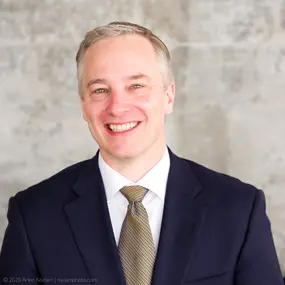
CEO
What happens when someone builds a thriving career in finance… and then walks away because something deeper is calling?
John Oberg is not just the Founder and CEO of Precina Health, a company transforming how diabetes and chronic conditions are treated across America. He is a man who made a radical pivot from Wall Street to the frontlines of metabolic health, driven by the conviction that the system was broken and that people deserved better.
Under his leadership, Precina has become a force in reversing type 2 diabetes through lifestyle medicine, empowering patients to reclaim their health rather than manage lifelong decline. But John’s story is not only about business. It is about identity, purpose, faith, risk, and the quiet courage it takes to build something mission-driven in a profit-driven world.
He is also the author of Tales of Abundance, a reflection on mindset, prosperity, and living in alignment with deeper values.
John represents a rare intersection of financial acumen, spiritual grounding, and health innovation. His journey challenges the conventional definition of success and asks a more uncomfortable question: What is wealth, really?
This is a conversation about building companies that heal, leading with conviction, and redefining what enough means.


