

Long Angle Founder Tad Fallows Shares the Truth No One Tells You About After Your Big Exit (#537)

Send us Fan Mail “Don’t worry, everything is going to work out.”-Tad Fallows Exclusive Insights from This Week's Episodes Most founders prepare for the deal and ignore what comes after it. Tad Fallows reveals why a big exit can create new pressure, costly decisions, and a search for meaning that founders never saw coming. This is the post-exit truth nobody talks about. EPISODE HIGHLIGHTS 00:05 Why going from one illiquid asset to a liquid net worth creates a whole new category of founder ques...
 Apple Podcasts Apple Podcasts
  Spotify Spotify
  RSS Feed RSS Feed
  Amazon Music Amazon Music
  Podcast Addict Podcast Addict
  iHeartRadio iHeartRadio
  Castro Castro
  PlayerFM PlayerFM
  Podchaser Podchaser
  Overcast Overcast
  RadioPublic RadioPublic
  PocketCasts PocketCasts
  Audible Audible
  Pandora Pandora
  YouTube YouTube
 “Don’t worry, everything is going to work out.”-Tad Fallows
Exclusive Insights from This Week's Episodes
Most founders prepare for the deal and ignore what comes after it. Tad Fallows reveals why a big exit can create new pressure, costly decisions, and a search for meaning that founders never saw coming. This is the post-exit truth nobody talks about.
EPISODE HIGHLIGHTS
00:05 Why going from one illiquid asset to a liquid net worth creates a whole new category of founder questions
00:07 The uncommon exit lesson Tad would repeat immediately: hiring the right investment banker
00:10 Why life inside a large acquirer can feel profitable on paper and miserable in practice for a founder
00:14 What makes Long Angle different from CEO peer groups and why no-solicitation matters after a liquidity event
00:22 The painful post-exit mistakes founders make when they are bored, overconfident, and around the wrong advice
00:30 Why even founders with $25 million can still feel emotionally paycheck to paycheck
00:36 The 80 20 post-exit rule: handle the financial basics first, then delay irreversible life decisions
Full show notes, transcript, and resources for this episode:
https://podcast.deepwealth.com/537
The Deep Wealth Podcast
Most entrepreneurs do not fail.
They just carry too much for too long.
The business grows. Pressure grows faster. Profits get harder to predict. Decisions cost more energy. Over time, focus slips and health takes the hit.
The Deep Wealth Podcast and Deep Wealth Mastery are built from real experience. We're the only system based on a 9-figure exit. This system exists because guessing gets expensive.
🧠 Deep Wealth Mastery
This is for you if you want to:
• Grow a profitable business without becoming the bottleneck
• Build real value so selling is optional, not forced
• Optimize your health before it limits your business and life
One proven roadmap for real decisions.
⭐ Explore Deep Wealth Mastery
https://iapdw.com/idm
🎧 Subscribe
https://iapdw.com/podcast
📘 Free eBook
https://iapdw.com/ebook
💬 Have a question you keep circling back to?
Leave a short voicemail
https://podcast.deepwealth.com/voicemail/
Built by entrepreneurs. For entrepreneurs.
Loved this Deep Wealth Podcast episode?
You built your business from nothing.
Now make it pay off big.
📱 Subscribe Now
As a bootstrapper, every move counts. Subscribe on your favorite platform for Jeffrey Feldberg’s 9-figure exit strategies. From your morning grind to late-night planning, get insights from founders who did it without investors. These tips could change your future.
Drop a Quick Review
Got 30 seconds? Leave a 5-star review. It helps us make better episodes and reach entrepreneurs like you, hustling without a safety net.
Don’t Lose Your Exit (And Your Financial Freedom)
You’ve poured everything into your business. A bad exit could cost you millions. Most deals fail, and even “successful” ones lose half their value. The 90-day Deep Wealth Mastery program teaches you to make your business run without you and boost profits so you capture the best deal instead of any deal.
What Others Say
“Deep Wealth Mastery is pure gold. I wish I’d had it before my exit,” says Stacey C. “The value I’ve gained dwarfs the investment,” adds Sanjay S. “It makes my business great to own and sell,” shares William S.
📘 Grab Free Tools
Check out client success stories for proof. Master the Deep Wealth Strategy Map to plan your exit. Or snag the eBook, From 7 to 9 Figures: The Exit Playbook, for a clear guide.
Click here to start your legacy-defining exit today.
00:00 - Wealth After Winning
00:21 - Meet Tad Fallows
01:26 - Deep Wealth Sponsor Break
03:35 - Welcome and Big Questions
04:22 - Tad’s Founder Journey
07:30 - Exit Lessons Investment Banker
09:27 - Post Exit Reality Check
14:00 - Why Long Angle Exists
18:33 - Community Culture and Wins
23:12 - Truth Versus Advice
26:38 - Vulnerability Beyond Money
29:26 - What Money Doesn’t Fix
31:17 - Hedonic Adaptation After Exit
31:44 - Meaning and Giving Back
33:15 - Peace Versus Wealth
35:50 - The 80 20 Post Exit Playbook
36:52 - Six Month Pause and Basics
41:01 - Keep Options Open
44:00 - Talk It Through With Family
47:13 - Be Transparent With Kids
50:37 - Back to the Future Wisdom
54:04 - Where to Find Tad
55:03 - Subscribe and Final Wrap
537 Tad Fallows
[00:00:00]
Wealth After Winning
Jeffrey Feldberg: Most founders think the hard part is building the business. It's not, the hard part is what happens after you win. When the liquidity comes in, when the outside world assumes you have all the answers, when your net worth goes up, but the quality of your decisions suddenly matters more than ever. Because building wealth and knowing what to do with wealth are two very different things.
Meet Tad Fallows
Jeffrey Feldberg: This is where Tad Fallows becomes a fascinating conversation. Tad is the CEO and co-founder of Long Angle, a private community for first generation Wealth creators. He's also someone who understands a truth many founders learn too late: financial success solves some problems, but it also reveals new ones.
Trust, identity, risk, family purpose, and the question behind all of it: how do you turn success into something durable, meaningful, and well stewarded. Before Long Angle, Todd co-founded iLab Solutions and helped build it into a market leader serving [00:01:00] top research universities around the world.
He started at McKinsey, studied economic history at Harvard and has spent years in rooms where high achievers speak honestly about money investing and life only when they know they're safe. What makes TAD relevant is not just that he understands wealth, it's that he understands what Wealth exposes, and for any founder who wants to build freedom without becoming a prisoner of success, that conversation matters.
Deep Wealth Sponsor Break
Jeffrey Feldberg: And before we start the episode, a quick word from our sponsor, Deep Wealth and the Deep Wealth Mastery Program. Here's Sanjay, a graduate of Deep Wealth Mastery, and he says, the investment I made in the Deep Wealth Mastery Program, it's a rounding error compared to the value created today and the future value I'll receive.
Or how about William, who says, and I love this, A company that's attractive to sell is also a great one to own. The Deep Wealth Mastery Program gives me the best of both worlds.
Now speaking of growth and adding value, check out what Leon says. He says that the Deep Wealth Mastery [00:02:00] Program changed how and who we hire. We've now begun to hire talent today that we never would have hired if it weren't for the program. The talent we're hiring today is helping both increase our growth and profits and our future enterprise value.
Man, I love that kind of feedback because it's that kind of feedback that's what gets me out of bed every day.
Deep Wealth Mastery System, it's the only system based on a nine figure deal. That was my deal. And as you know, I said, no to a seven figure offer, created a system that we now call Deep Wealth Mastery, and that's what helped myself and my business partners all welcome from a different buyer, a different offer, a nine figure deal.
So if you're interested in growing your profits, preparing for a future liquidity event, whether that's two years away or 22 years away, and if you want to optimize your post exit life, Deep Wealth Mastery is for you. Please email success at deepwealth. com. Again, that's success, S U C C E S S at deepwealth. com. We'll send you all the information about Deep Wealth Mastery, otherwise known as the Scale for Ultimate Sales System.
That's where you [00:03:00] want to be. You want to be with other successful business owners, entrepreneurs, and founders, just like you, who are looking to create market disruptions. Whether you're a startup, whether you've been in business for three or four decades, whether you're manufacturing, whether you're high tech, SaaS, low tech, whatever the case may Come in and network with other business owners, with other businesses, just like you, because they all want to lock in their financial freedom and enjoy both success and fulfillment.
Again, that's the 90 day Deep Wealth Mastery program. It has your name on it. All you need to do is take the next step. Please send an email to success at deepwealth. com.
Welcome and Big Questions
Jeffrey Feldberg: Deep Wealth Nation, welcome to another episode of the Deep Wealth Podcast. Well, deep Nation, for all of you post exit entrepreneurs, how's life going? Have you found your happily ever after? I know the early days, Jeffrey, just after his post exit life began. My goodness, it was not the happily ever after. You know what?
I did not have a community to talk with other people or de Nation. If you're heading into a liquidity event in the very near future, do you have all the things lined up? [00:04:00] Because I gotta tell you, birds of a feather fought together and life can be great, but where do you find those people? What does that look like?
Where do you begin? Well, if you've got those questions, you've come to the right place. We have a very special guest in the House of Deep Wealth. You heard the official introduction. Tad, welcome to the Deep Wealth Podcast. It's an absolute pleasure to have you with us. There's always a story behind the story.
What's your story Tad? What got you from where you were to where you are today?
Tad’s Founder Journey
Tad Follows: Hey, thank you for having me here today, Jeffrey. my professional background, I actually quickly tried. Initially I tried being a teacher and I lasted about a semester as a teacher and that wasn't a fit. Then I moved to China and tried being a journalist for a few months there. And that was really interesting.
I didn't ever intend that to be a come a long-term career. It's just a bit of detox from teaching. But really I found my passion pretty early on as an entrepreneur. In my, mid twenties, I bootstrapped a software company with a couple friends of mine. We worked in the medical research software side, so selling to universities and hospitals.
This was in the early days of SaaS, so had to [00:05:00] convince, these billion dollar organizations to trust their billing and, enterprise data to three 20 year olds who are gonna host this stuff in the cloud, whatever that meant. And bootstrapped that for about 10 years. We got to almost a hundred employees and then we sold it to a strategic acquirer.
So I tried for a little while then working at that strategic acquirer, it was a great company. I have a lot of respect for how they work, but realized I was much better as an entrepreneur and running a business than I was as, somewhere in middle management at a. 30,000 person company.
And then I also, as part of that exit, I went from basically having all of my net worth in this one illiquid micro cap stock to on a single day, adding two zeros to my liquid net worth and having a bunch of new questions, whether that was estate taxes, raising kids with Wealth alternative investments.
Travel, fitness, you name it. And I felt like when you got into these sort of fortunate to get these very high net worth or ultra high net worth questions, it was a new set of questions that were a bit different and harder to [00:06:00] answer through my traditional peer networks. So, you can ask the dad next to you like, Hey, how should I think at a soccer game?
How should I think about the college savings plan? But then when your question is more around, oh, well the estate tax limit is 30 million, how do you think about structure around that? Or should I sell this building? You're gonna look like a jerk, and you're not gonna get very good answers through a lot of the traditional questions.
And I felt like the only good advice for those questions was coming from a Goldman Sachs or a Credit Suisse. But I really wanted to get that advice from other peers who were in the same situation, who were not trying to sell me anything. So initially started basically a glorified Slack channel with maybe a dozen friends who either were entrepreneurs or guys who had run hedge funds, things like that.
It turned out that need was a lot more broadly felt, and so we've built this community, my co-founder and I, over the last five years to about 8,000 members now, just through kind of word of mouth referrals of people in this kind of similar situation of mostly first generation Wealth creators.
Jeffrey Feldberg: Absolutely love that story and hear on the DePaul podcast. As you can imagine, we talk all about leading up to either investment in the [00:07:00] company or some kind of a liquidity event where you're having a full or partial exit. So from one post exit entrepreneur to another tad when you look back at your exit.
By the way, congratulations with that. Love hearing that story. When you look back at your exit as you speak to Deep Wealth Nation for lessons learned, is there anything that. To this day still stands out for you of, yeah, Jeffrey, I would do this one particular tactic or strategy all over again, or, Hey, you know what?
Hindsight is 2020 probably wouldn't do that. Anything that you can share with us?
Exit Lessons Investment Banker
Tad Follows: a great question. I mean, A lot of stories that I'm sure you know, the same lesson everyone's learned, but maybe things that are a bit less common. One is, I would say. The best money we ever spent was hiring an investment banker. And certainly he ended up making seven figures from our transaction.
And I'm not normally a guy who loves paying my real estate broker or a stockbroker or something like that, and, you know, questioned the value of these intermediaries. But I think he added a ton of value to our process. So I think somebody who. Most of us who are going through a liquidity event, it's gonna be a once in a lifetime, [00:08:00] maybe a twice or Arif in a lifetime thing.
But it's not something where you get pattern recognition. And so, if I want to quantify that, I remember. Before we signed the contract with him, I said, I just wanna be clear here. This is my number. I'm not going to sell for less than this number. So, and we're cashflow positive so I don't have to take an offer.
So I don't want you to be mad at me. If you could put in all this work and I don't take an offer that's a million dollars less than that. We end up getting offer that's twice the number that. I had thought was, reasonably ambitious and I'm very confident I never would've gotten that offer myself.
So, yeah, that would be one thing I definitely would do. Again, in our case it was a firm called Software Equity Group. they were good for us because they only do software and we were a software company and they really do mid-market. And we were a mid-market sized company, so it was a perfect fit.
I wouldn't want Goldman Sachs to sell my small cap and then I wouldn't want software equity group to sell philanthropic. You want somebody who's right sized. But I felt that would be one clear takeaway from my point of view.
Jeffrey Feldberg: It is terrific advice in Deep Nation as Tad is talking about that tad, you're [00:09:00] actually taking me back to our nine step roadmap, step six advisory team, where we absolutely. Not only recommend, actually demand that you get an investment banker for all the reasons that you mentioned because like you, you took the words right outta my mouth.
We would not have gotten to where we got to had it not been for the investment banker and whatever success fees paid to the investment banker when it's done right, it's worth every penny. So I couldn't agree with you more there.
Post Exit Reality Check
Jeffrey Feldberg: So you're now on the post exit journey. I alluded to it early on when I began the recording you and I, about how in the early days of my post exit.
I simply wasn't prepared. I was so focused on getting across the finish line that the post exit life never crossed my mind. My narrative myself was, Jeffrey, you'll worry about that. You'll deal with it once you get there. And when I got there. I was just bored outta my mind. And no one feels sorry for the guy who's got a lot of zeros in the bank account all this time on his hands sitting at home, bored outta his mind in his pajamas.
No one wants to come out to play because they've got their [00:10:00] own life, their own business or career or responsibilities. So before we jump into what you're doing, how was your post exit life? Once you got past working through the company and you filled your contract out, or you're done with that, you're now really.
Out there in the open on your own times', your own, what was it like for your post exit?
Tad Follows: Yeah, I had a somewhat unique journey. We had a lot of personal challenges at that moment. My, wife was going through some very serious medical issues. My kids were quite little, and so it was, Very challenging period for us personally. So it actually ended up being fortuitous that I was just collecting a paycheck from somebody else there and could make the priority, going to the doctor's appointments and, helping the family for a couple years.
So it would've been actually a lot more challenging to continue working this 60 hour, 80 hour entrepreneur weeks while also helping the family. But then after that, when I was ready to put the business hat back on, I did, I tried, I would say seriously for. couple of years to really succeed at that acquirer.
And it was funny because I certainly was [00:11:00] working less. Well, at first I tried really hard to succeed, and I realized that the key skillset to be successful at Fortune 500, fortune 100 company is not the same as an entrepreneur. If you're an entrepreneur, all you care about is results, right? It's, did we build a new product?
Did we sell the product? Are our customers happy? Are we growing? Are we making money at a big company? That's what matters, the CEO. But to be successful in the middle ranks there, it is really much more about. Am I aligning with, the European Field organization? Am I align with the aligning with the quality process and am I personally getting credit for these things?
You know, I remember at one point. I had a great relationship with my boss. Think he's a fantastic guy. They sat me down and said, Hey, you are not being successful here. And I was saying, well, you know what's wrong? The numbers are looking good I've got a great team. He said, yeah, but people think that your version of leadership is hiring great people and letting them do great work.
Yes, that's indeed my version of leadership. He's
right.
the people aren't clear what you're doing. You're not in the meeting taking credit like you're not. Teeing up, oh, here's Sally. She's gonna talk about this great work, and I'm gonna pontificate for a couple minutes and introduce [00:12:00] her.
No, I want Sally to take credit. And so, I didn't wanna do that. I didn't wanna succeed in that way. And so then I didn't quit right away. 'cause it's one of those where you're getting paid a ton of money to then do very little work. You can also the good thing about a big company is you can hide and not work very hard and, it takes quite a bit to sort of get pushed out there, which sounds great.
To your point around these. High class problems. There's actually, I think, nothing more depressing than not really working hard and not feeling like you're contributing value and getting paid a healthy amount for it. that was not good for my mental health. So I said, I gotta either get myself laid off or I have to quit, fortunately I was able to get myself laid off there, so we were, able to part on good terms.
But then really threw myself into building this community because I did feel like, as you said. I'm 45 now, just too young to be not doing anything. I had to have some productive focus and so building this community has been fun for me. Of the stuff I really liked about entrepreneurship in terms of like, okay it's exciting to build these community members, exciting to talk with members and say, Hey, what should we do collectively?
Should we negotiate discounts on private placement life insurance? Should we, [00:13:00] plan trips together? Should we. Plan an annual retreat and so get to do that kind of growing and building both outta the pressure that you have the first time around of, Hey, this needs to pay my mortgage and I, need to go, get investors or that sort of thing.
Being able to do those entrepreneurial activities without the pressure, I think for me, has been the perfect balance.
Jeffrey Feldberg: Sounds terrific and tada. I completely relate with you. Must be something about the founder, the entrepreneurial spirit, because I know the only JOBI don't even like saying the word. The only JOBI had was an internship. When I zoom my MBA program up to that point in time, in the summers I was doing multi-level marketing or I had my own companies that I was doing.
And when I got into a very big organization, it was at a cellular company. I'm not gonna name names. But I can relate completely to what you're saying. It's so big. It's different rules and what's so natural to us as founders, to we're gonna optimize people's performance. The company, the profits, oftentimes no judgment.
It goes against the culture and how those companies operate and hey. Different strokes for different folks. So I [00:14:00] hear you on that.
Why Long Angle Exists
Jeffrey Feldberg: So let's turn now to something very special that you created Long Angle and I wanna get something right out there. I wanted to spell a myth that probably those in Deep Nation are thinking, because I may be thinking, well, Jeffrey, okay, long angle sounds like another CEO peer group and I'm gonna name the usual suspects.
Maybe I'm a member of Vistage or YPO or EO or some of the others that are out there, I don't need another group that I wanna belong to. So tell us all about long angle of why it's so special and so different, and it's not what we think it may be.
Tad Follows: Yeah. Happy to yeah if anybody's interested in joining after hearing this, we'd be very happy to talk with them. One difference, we don't charge membership fees. So that we interview every potential member really what we're looking for in the interview is wanting to make sure that they're coming to this from a peer-to-peer learning and not a solicitation perspective.
Because that's the biggest thing we've found is that this group of people who've made, 5, 10, 30, $50 million become a very [00:15:00] attractive. Target client base. And I think what they're really looking for is a place where they're not gonna be sold to, where they're just gonna be talking with peers and collaborating together and get unbiased advice.
But what we do at the core thing is it's a private online community. So think of it as like a private version of Facebook, private version of Reddit, something like that where people discuss the whole gamut from, investment strategies to these questions of, Hey, should I start another company?
I'm trying to figure out what to do with my time. Question around raising kids. That's probably the biggest single thing of. People say, Hey. I'm not worried about screwing up my finances, but I am worried about screwing up my kids and how do I actually make Wealth a asset and not a liability to them? How do I let them succeed on their own terms and develop grit and all those sorts of things.
Questions around travel of, Hey, never been to Costa Rica before and actually have a big budget now. How should I go to Costa Rica? So any of those kinds of questions. So we have a private online community there. And I would say the profiles of our members, it's all across the world. It's mostly US based.
That's probably 80% of it, but then also a lot of people in [00:16:00] Canada, London, Switzerland, Singapore, et cetera. And mostly first generation Wealth creators. Lot of entrepreneurs, the biggest group, but also you know, execs at various companies, people who work in tech, that sort of thing. And in addition to online community we do peer advisory groups, you know, similar to your EO YPO sort of thing.
They're not focused on, Hey, how do I build my business? But it's more people talking about some combination of managing their personal Wealth, figuring out what do they want to do next with their time family stuff. So it's that peer group idea but not with focus on building a business like, an EO or YPO.
And we have actually, I'd say quite a few members who either are still or were formerly members of those organizations. We also do a lot of events. So we'll do meetups in probably the top 30 cities on maybe a monthly basis. We've got one actually here tomorrow in Dallas. We do a big annual event. And then the last piece, which a lot of members find value in, we didn't initially start with this in
mind, but we do syndicated or collaborative investments in various private market [00:17:00] assets. 'Cause we found that a lot of our members, the significant majority.
Manage their own Wealth. They don't say, oh, now I've got 20 million. I'm gonna call Credit Suisse and put it on them. They still manage that and I think they feel a lot of expertise and ability to do their public stock investing. If they want bonds, if they want real estate, do that themselves. But when you get into things like venture capital, private equity, private credit, litigation, finance, oil and gas, et cetera, they want maybe.
20% of their portfolio in something like that, that it, they get diversification without giving up expected returns. But it is much harder in those private markets to write smaller check sizes. And when I say smaller, to write a million dollar investment, you can't walk up to Millennium and say, I wanna give you a million dollars.
You need at least $10 million. And even then they're not gonna take your check unless you know the right guy. So doing their underwriting and getting access to those things like private equity. But we find we can do those together at scale where. Let's say oil and gas is one. Being here in Dallas, I know a lot about.
We have [00:18:00] done, only a handful of those, but basically been able to identify, okay, these are the best in class operators there. They're not the guy who's gonna go market to a bunch of dentists, but the ones who you know is. The Stanford Endowment, or the Duke Endowment is investing in, and so we can identify the best couple.
We have members who, run companies in the Permian or C-Suite at Exxon, things like that, that help us really underwrite and say, okay, these are truly the best ones here. And then we can write a collective, say, $15 million check. Have you got a hundred people each point in 150,000 to hit the minimums to get into those.
So that's another big piece that certainly not required, but that a lot of members find value in.
Community Culture and Wins
Jeffrey Feldberg: And TA as we're talking about this. I suppose you don't know what you don't know, but once you cross that finish line, at least my own experience, this is a data point of one, so take it ahead that, but when I crossed the finish line and I was now in the post exit category, yes, I'm a Postex exit founder, a post exit entrepreneur, it becomes first world problems because it's not a judgment I just found.
That most people around me, they just didn't understand or they couldn't understand, and sometimes it [00:19:00] didn't bring out the best reaction in them, just the human condition in terms of what's going on out there. So can you explain to someone in Deep Nation how you and your team have cultivated this very special culture of other Postex exit entrepreneurs?
Exactly like you and I. It doesn't matter how big their exit deal was, once you cross that finish line, people are people. We have the same hopes, the same dreams, the same fears. And it doesn't matter where your FU Zeros or many zeros, there's a lot of commonalities there. But we all have one thing in common.
We've sold the business. Life has changed for us. It's never gonna go back to be the same. So walk us through at long angle how that makes a difference and even some success stories from some of your members that you could share with us.
Tad Follows: So you're exactly right. People are people and I think the problems are not different. So you know what I always tell, I talk with a number of people who are going through their sales process. They're just asking advice like you're saying, Hey. What would you do again? And they're asking, Hey, what should I miss?
Like how do I make sure, do I get the tax right? I wanna get my [00:20:00] QSBS treatment, et cetera. And those are good questions. What I tell 'em is, your problems are not gonna go away, even if you all of a sudden have $10 million or 20 million, whatever it is that you're gonna exit with. If you have a good relationship with your wife.
You'll probably have an even better relationship with your wife, but if you have a bad relationship with her and then you add $20 million to it, that doesn't suddenly turn it into a good relationship. Same thing if you are unhealthy and outta shape, you're not gonna lose weight just because you now have more money.
You're just a, a wealthy, overweight person. So all of those problems, continue there. But then I think what makes it, which in some ways a little depressing, you feel like, well, I worked so hard for this and I got this. I should now be able to just throw money, at the problem and fix it.
But I think there are, it becomes a somewhat different flavor of this. In a few cases, you can just throw money and solve the problem, like you say, okay, I'm really having trouble. Getting in shape, and maybe that's a problem of motivation. And I would say, okay, we'll just hire a personal trainer.
Have him come to your house every single day. You pay him a hundred bucks a session. You can't afford to spend 500 bucks a week. And the only yes, you know how to do it yourself, but by having a personal [00:21:00] trainer showing up there at 6:00 PM every day, that will force you to do it. And you're not gonna watch tv and that will help you get in shape.
So there is a set of things where you can't just throw money at it. And I think some of it's being able to give that advice because again, if you give that advice. At random, your recipient may not be able to afford it. You look like a jerk. It's not useful, et cetera. But, with people in a similar situation, you can do that.
And I think, you also, on the flip side of, rather than opportunities of problems, there are some problems that become embarrassing to ask about. So, example is, I've got a vacation house in Santa Barbara that. Is impossible to get insurance on. You can get the state plan, but that only gives $3 million of rebuild coverage.
And it's well, $3 million is not gonna come anywhere near, near rebuilding the cost of the house. So how do I get insurance on this? Again, it just feels like a very obnoxious question to ask at large of that saying, you know, oh, $3 million is way too small. How do I find $10 million of, wildfire insurance?
But it is a real problem that people have. And then I think the value of having a community that is curated to be a [00:22:00] similar situation. There are a dozen other people, or in, actually in our case, if you're looking at high value fire insurance in California, there's hundreds of other people who are looking at this exact same thing and saying, oh, well I've got this guy at Lloyd's of London and he can get an angle here.
Or, I found out this other guy said, okay, there you can actually get this whole house, wildfire Defense system that puts sprinklers on your house and it hooks up to your pool and it hooks up to your generator and it pumps your pool onto your roof when there's a fire. So that is very useful information and you're kind of, so on both the opportunity side and the challenge side.
It's a set of people where these are still human challenges and it's just a slightly different flavor of those, but they're first person going through that same situation. So I think that's a lot of it.
Jeffrey Feldberg: And Ted, I will be the first to share in those in Deep Nation, know that one of the big. It missteps that I took was not preparing for the Postex exit life, so I didn't have the opportunity to speak like someone like yourself or belong to a long angle just to help me prepare so that when the day came, I knew what to do, what not to do, and I'll be the first to [00:23:00] say that some of my.
Dumbest mistakes came not pre-ex exit, but Postex exit because ICE board, I hadn't found my new purpose and I wasn't around the right people who could say, been there, done that.
Truth Versus Advice
Jeffrey Feldberg: And it's actually where I wanted to ask my next question because I know for many in deportation they're saying, well, hey, yeah, ta, you seem like a nice guy.
And Jeffrey, this is a nice episode. I have advisors though, and I don't need another peer community. Ted, what I've learned in my own experience is I can get advice from lots of people. I can even have the best advisors around me, and I can get advice, but it doesn't mean it's the right advice. And in my world, there's getting advice and then there's getting the truth, and the two are very different.
It could both be advice, but one is more grounded in the post exit. Life and one isn't. So when it comes to getting the truth from people that have been there, done that, and that's exactly what you foster at Long angle, can you talk to us about that, of how that comes [00:24:00] into shape, how that comes into being?
Tad Follows: Yeah, and actually I wanna build on your question around, earlier in my life, I think I was more religiously against these advisors again, of saying, Hey, this guy wants to charge me 1% to manage my money. That's ridiculous. Now I happen to still not. Higher advisor. 'cause I think I can do it myself and I don't wanna pay that money, but I'm no longer philosophically opposed to it. I just don't think it's right to me. so I think these advisors, as you said, can add a lot of value, but I think there's two important nuances to that. One is that you need to get the right advisor. Like you can look at something like insurance.
There's a reason that insurance brokers have a terrible reputation. They're like, use car salesman. Nobody likes them. But there are a handful of truly good people who are actually giving their clients really good advice and actually really understand the sophistication of the nuance of problems their clients are dealing with.
But if you just randomly look up, ask Claude, Hey, what advisor should I use? Maybe one in five. You'll get a great one, but four outta five times, you will get somebody who's not a fit. So part of it is actually finding a way to get to the right [00:25:00] advisors. and we actually put a lot of time, this is, I think one of the places we feel like we can add a lot of value is we'll often do surveys of saying, okay.
Accountants, lawyers, brokers, et cetera. We are not any of these things. We're not gonna, as an organization do it, but we're gonna do surveys. How much you like yours? How much are you paying them? What would you recommend them? And then sometimes we can actually negotiate on behalf of the members and say, we'll make you our recommended one if you give everybody some special benefit.
Or we just say, Hey, there's no benefit, but we think these guys are the best after analyzing it. So partly it's that. I would also say for most of these. If it's important, you need to be a well-educated customer. And the example I always give there is, for those of us who own houses, the first time I hired a gc I just said, Hey, do it.
And I hired a GC and I, that was probably the biggest financial mistake I ever had. ' he was criminally dishonest and he, was also criminally incompetent. And so just the house for years was having leaks, stuff was uneven, had to redo it. The problem was I was just, I had hired a third party, but I didn't understand enough to know if he was doing a [00:26:00] good job.
And so if you look at something like, okay, I want a Wealth manager, maybe you decide for yourself, it's worth paying 75 basis points because you don't have the time, because you don't have the interest, because you don't think you have the sort of personal discipline in a down market. That's fine. But you do need to really understand these things so you can look at that advice and say, yeah, is this advice basically sound?
Do I trust it? Do I know enough to know that they're recommending stuff that's a good fit for me, rather than gonna drive up commissions for them? And I think it's, the same in any of these where you have to be educated enough to be a high quality customer or else you're just at the mercy of whether you happen to have a good advisor.
Vulnerability Beyond Money
Jeffrey Feldberg: And as you're talking about that, Ted, I couldn't agree more with you. Let's now go beyond financial Wealth advisors. Whether you subscribe to that or like yourself, Hey, I'm just gonna do it myself. Maybe I'm gonna just do an ETF and it's minimal friction, minimal cost. I get the best of the market and it's a set it and forget it.
Life is great. No one can beat the market year in, year out the ETFs. A lot to say about [00:27:00] that. It's now again, PostIt. It's having been there, done that, but you haven't yet been there, done that. And as we're talking about this, I'm actually going back to an episode where we had a PostIt entrepreneur on, and he wanted to remain nameless, and so he was anonymous.
I called him Jeff just to make it easy. Jeffrey and Jeff, the uh, podcast uh, easy name to remember for myself. But I remember at one point he said, Jeffrey, I had a house for every season. And I had my own private jet, so he was living the life and from most people looking from the outside in, wow, that's it.
It doesn't get any better than that. And he went on to say, Jeffrey, I hated it. It took so much mind space, and I'd walk into my Oceanside house and the air conditioning was broken and the house stank and the wifi wasn't working. Or my private plane, the tray broke and it was 5,000 bucks to fix and it just drove me nuts and he's going on and on with that.
He ended up simplifying his life, but I imagine had he had a community like what you're doing at Long Angle to have these kinds of conversations, it'd be, [00:28:00] Hey, anonymous founder, otherwise known as Jeff. Maybe you don't wanna do that. Why don't you take some time out, see who you are, maybe travel the world or whatever it is that you want to do, and then see if you really want to add that complication because here's my story, or here's my story, or here's what doesn't really show up, or here's what you're not going to hear because the people around you, they wanna make a commission selling the land, or they want you to buy the insurance for the home or whatever it's gonna be.
But here's what I've actually found, and it's the unvarnished truth. Thoughts about that.
Tad Follows: Yeah. No I think that is totally right and I think it's easier to identify those things on the financial side. Like your question of, Hey, should I buy this life insurance policy? Not knowing anything, the answer's probably no, that, that sort of thing, it's easier on the financial side, but that doesn't make it more.
Important or necessarily, the harder choices you get into these things of, Hey, how many kids should I have? And that's something that, people talk about hey, this is really stressful. And you'll have people talking about later, in their family journeys. No, I wish I had more.
Oh, I wish I hadn't had five kids. It's always too much. [00:29:00] So I, I think that is. Exactly right. And I think you need people to be in a place where they feel comfortable being vulnerable, because I think there can be this sense of, Hey, I'm a really successful business person or successful entrepreneur.
I'm used to having a hundred people gain their paychecks from me. So I always need to show confidence and not look like I'm uncertain what I'm doing. So I think you also need to be in a place where you feel like you can ask a question and not, at risk of looking naive or incompetent 'cause you don't know the answer.
What Money Doesn’t Fix
Jeffrey Feldberg: Yeah, and deep both nation, I know from the outside looking in until you're there. It almost sounds, well, I would love to have those problems. I'll have those problems all day long. But when you do have them, it is nice to have a security net of other people again, who have been there, who have done that.
And so Tad, it's a bit of an unfair question, but I'm gonna ask it anyways because I know every Postex exit entrepreneur, it's different. And he may have his own journey, she may have her own journey. But generally speaking, when you zoom back out and you look at your membership in general, whether it comes to family [00:30:00] or kids or Wealth or lifestyle or legacy.
Have there been any surprises that have come out for you of Oh wow. Never really thought of that, but yeah, actually now that I'm seeing it or the members are talking about this, or this has become a recent theme in our meetings or our get togethers, it makes sense.
Tad Follows: Yeah. I would say probably the biggest surprising thing is how much doesn't change when you have this, liquidity event. So even on most practical level, you could imagine saying, Hey, there's nobody who has $25 million. Who is realistically gonna be worried about money? I can tell you there are plenty of people with $25 million who still feel like, although intellectually they know it's not true emotionally, they still feel like they're paycheck to paycheck.
And, oh, we just spent a hundred thousand dollars redoing the yard. Are we living beyond our means here? What if blah, X, Y, and Z all occur at the same time. The market crashes and taxes triple, and now I'm outta money. So, until people get to maybe a hundred million plus, they still seem.
If you were worried about money when you [00:31:00] had 250,000, you probably still will be at 20 million. And need to realize that's more of an emotional than intellectual worry. And as I said, these same things on your family questions, these family dynamics, that there are a number of things that you just can't outsource the problem to.
You have to do it yourself.
Hedonic Adaptation After Exit
Tad Follows: So I would say that is sort of a, a significant thing of for the first few weeks after it feels like every problem I have is solved and I'm just on cloud nine. But then you get that hedonic adaption, you just get used to, okay, well now I've got a seven house thousand square foot house.
And so I, I'm enjoying my house, but that's still just my house. And now as you're saying, I'm still frustrated. I have to call the plumber here because there's a leak. And it's the same problem. I had a leak when my house was only a third, the size. I think that is a pattern that I've seen fairly commonly.
Meaning and Giving Back
Tad Follows: Then I would also say that there are the questions that you don't suddenly get more wisdom because you have more money. And so you have to kind of learn those answers the hard way. And so these questions of, religion as an example, not this a high topic of conversation, but I'm in one of our peer [00:32:00] advisor groups and you know, comes up sometimes there of like, yeah, what's the point of what I'm doing? What's the meaning? Like I can't really use the excuse, I'm just working for the money now, so is my only point here to try and. Be good to my kids and raise a happy family. Do I want to find a way to give back to the community? Is there some religious thing?
And so I think that, I would say for most humans, this question of what's the meaning of life and what's my point is a question they struggle with. And I'd say, that continues to be there. With more assets and questions like, Hey, how much. I think another one that people struggle with is this question of how to give back.
I think it's a little easier with a stage of life of, okay, I've got kids at home. It's pretty easy to say. The answer is that I'm just gonna try and be a great parent. That's how I can give back now. And most of our members are in that phase where their kids are still at home, but we've got maybe a quarter of them who are empty nesters.
And I've seen a lot of them are struggling with this question of, well, what do I do now? I don't really need to work. Maybe I work 'cause it's interesting and I enjoy it, but now my kids are outta the house. Should I be giving a lot to charity? Should I be joining boards? [00:33:00] Does that matter?
And I think that question of once you move up that hierarchy of needs, you're not worried about putting a roof over your head and food on the table. That search for meaning. I wouldn't say I've got the answer, but I'd say that the learning is, that's something that people continue to grapple with.
Peace Versus Wealth
Jeffrey Feldberg: It's interesting as you talk about that it, it's really all encompassing. We can go in any number of directions, but let me ask you this based on what you're saying, because you're right. Just because someone hits a certain threshold when it comes to the number of zeros in the bank, okay? That's a fact. In the bank, you have this in terms of their personality though, or the mindset, it doesn't mean that things have necessarily changed.
So when you're looking at the communities in Long Angle and the Postex entrepreneurs that, that are your members, what would be the difference? How would you describe it As someone who has the money? No doubt about that, but then someone who, yeah, they have the money, but they have genuine peace around the money.
Tad Follows: Would say, I'm not sure that your sense of [00:34:00] peace is coming from the money. I think it's that, one is you know, very tactically on the money, some sense of, where it is, you know what your strategy is. And again, there's no right strategy. It could be somebody says, Hey, I've got so much money that I'm just gonna put it all in municipal bonds and get a 4% dividend a year and live on that.
And I'm perfectly happy. Or it could be somebody says, Hey, I'm gonna put all in high risk growth stocks because I can afford to lose 80% of it and I'll still be fine. I think long-term will end up with more so not any particular answer. I think you need enough of at least knowing where it is and knowing what your strategy is so you can sleep at night and then not be, watching the stock market every morning and, and worried if there's a war in Iran or something like that.
But then. Once you go beyond that, I think that sense of peace is probably more just facing these other questions. And I think the same thing of not being one right answer there it, in your search for meaning, there's some people who might say, Hey, I don't really care about that. I just wanna enjoy myself.
It may be some people, it's really focused on the family or focus on the religion or focus on charity, [00:35:00] whatever that thing is. this again, is probably not high net worth advice or post entrepreneur advice, but really just humid advice of, there's this handful of short things.
Your health, your social relationships, your meaning that sort of thing. And. I think the people who are happiest, tend to have some balance of those and address those questions head on and don't hide from them. To your point of your community, of the people who've gone through the exit, you certainly do see a number of people, especially those with, I think particularly large exits.
So, hey, somebody whose company just went public, so they're not talking about getting $10 million, but they're talking about getting 500 million. You probably more often there. See this? Them going through divorces or having some serious emotional problem because it's just such a new amount of money and that kind of, your endorphin rush of making 500 million is even higher.
And so now when that hasn't solved your problems, that crash is probably even bigger.
Jeffrey Feldberg: Yeah.
The 80 20 Post Exit Playbook
Jeffrey Feldberg: And I'm wondering, as we're talking about this, looking back now, and this is one of my favorite questions in this kind of a situation, good old PATOS [00:36:00] law, the 80 20 principle, is there a situation where Ted, as you look at your members Yeah. Jeffrey. For the freshly minted postex exit entrepreneurs.
So the people where they had their liquidity event, maybe last week or last month, or it's just been a few months, it hasn't been a long time, or maybe even in their first year. 80% of the similar challenges that these new Postex exit entrepreneurs are going through are coming from the same 20% of these issues here, or these decisions or lack of decisions.
Are there some patterns that you're seeing? And where I'm going with this TAD is for someone in Deep Wealth Nation, they haven't had a liquidity event yet, but they know it's in the very near future. Hearing what you're about to share with us. No pressure. Tad not Judge. We can wait. No pressure. But hearing what you're about to say could actually help them prepare.
Okay. When it comes to my liquidity event, yeah. Tad had mentioned this. I'm now gonna focus on that and pay some attention to it.
Six Month Pause and Basics
Tad Follows: Yeah, I would say for that first period, and I think it's a healthy thing, people tend to focus on the nuts and bolts of their finances of they say, you get on day [00:37:00] one, and I remember this happening. You've got. $10 million or $20 million showing up at his bank account, and it's still sitting in that same, student checking account at Bank of America or something like that.
And I think just trying to put those into place, and even though this may not be the most, high-minded or philosophical thing, I do think squaring away that financial stuff first is probably the right way to go. Even if you just look very tactically, let's say that you had happen to sell.
During that period when Silicon Valley Bank was going bankrupt and all of a sudden your 20 million was there and you're only guaranteed up to a quarter million, you just lost 99% of your net worth and something like that. So you do want to get that right first because a lot of these things of okay, should I move to a new house?
Should I, change my marital situation? Should I move to Japan for a year? I think a lot of those questions can wait, and you will probably. you'll get a better answer just by waiting, giving yourself some breathing room and not making like they tell a husband or wife after their spouse dies.
Don't make any changes for six months. Just give yourself some time. I would say on those kinds of changes, just [00:38:00] wait six months. Don't buy the new house. Don't move. Don't quit the job. Don't do anything irreversible and aggressive, right outta the gates. Maybe buy a new car or go on vacation, reward yourself.
But beyond that, take a six month breather and spend those first six months. Putting in place the basics. And to your point of 80 20, don't make the perfect, the enemy the good. You don't need to go from having your one fidelity brokerage account to now you've got 30 different trusts and the things are stacked on top of each other, and you've got money in Swiss gold bars and stuff like that.
But, put the basics in place. And I would say the basics look like. First insurance, make sure you're working with a high net worth insurance broker. Your State Farm guy is not the right guy anymore. There's a different set of companies that provide things. As an example, you can get $10 million of umbrella insurance for a thousand or $2,000 a year.
It's almost free to get this very high level of insurance. So you look at getting proper insurance, getting some sort of asset allocation plan in place.
You should have at least a revocable trust. You should have a will for your kids. there's some building blocks that, again, you're talking about a day or two to put this stuff into [00:39:00] place. And so I would say it's and we've actually put this together for anybody who joins a member, we'll probably publish this externally as well, but we have a new to Wealth.
Here's the five things you should do. Again, I'm not offering to sell you any of these services, but I can say, Hey, here's some good vendors for them, but here's the five building blocks to put into place. So that would probably be my advice to. Take a six month pause on everything else and then just get your layer one of the finances in place.
And that'll also tell you, I think after you go through this, you could either say, Hey, that was really interesting. I'm really interested in driving into level two of estate planning and think about these clever tax optimization or level two of asset allocation and becoming an active venture investor.
Or you might say, Hey, that, really felt like going to the dentist and drinking my medicine. And I have zero desire to do more. So I am at this point just gonna hire somebody else to take care of the rest of it for me. But I now am baseline educated so I can be aware of what they're telling me in our quarterly meetings.
I think that's my key advice.
Jeffrey Feldberg: Ta. It is terrific advice. Actually. It's very similar to one of the things that we recommend in our Deep Wealth Mastery [00:40:00] program. We took my failure in my post exit life. We actually made it step zero, not step one, not step nine, not step 10. It's really the 10th step, but a step zero of what to do post exit, and much like yourself, we say very similar things, and our recommendation is, hey, take what you have from your liquidity event and put it into a good old, boring.
Bank bond or municipal bond or something, even if you're only clipping three or 4% or whatever the interest rates are, take one thing and celebrate. Do one thing crazy that celebrates this milestone in your life, but then take the next 12 months and see who you are coming out of it. Ted, I never did this and I done this.
I would've saved myself countless. Dumb mistakes and money and time that it took me to unwind for many years later. Some of the things that I did immediately after when I was still finding myself and hey, the Jeffrey who was pre-ex exit certainly isn't the Jeffrey who was Postex exit and the Jeffrey two years Postex exit was very different than the Jeffrey immediately after Postex [00:41:00] exit.
Thoughts about that?
Keep Options Open
Tad Follows: I don't know if you know Morgan Howell, but he's this Wealth author, and he had this really interesting concept that's called the end of. History illusion to your point around you're not the same guy you were two years ago that I think there's, any of us can look at that and say, well, of course when I was 30 and when I was 20 and when I was 10, I want very different things.
But you now have this illusion, like I have now reached my fully formed state, and at 45 I clearly know exactly what my goals will are and what my values are. Without having that power recognition of, Hey, when I'm 55, when I'm 65, when I'm 75, I'm probably gonna care about very different things than I care about today and prioritize things differently.
And I thought that was really interesting insight that I hadn't thought of before. And it's probably just in general, as you think about making decisions in your life, I think it's worth keeping that in mind and trying to keep your options open. Say, okay, maybe I am a passionate. I don't know, real estate guy, but we've got one member, for example, he had a huge exit, early twenties, tens of millions of dollars.
And he had this super [00:42:00] complicated tax thing that on paper is fantastic, but involved him buying all this farmland and putting into a trust that he can never touch and his kids never trust. So his grandkids are gonna be, farm billionaires. But he is like, well now I'm driving a Corolla because I've got tens of millions of dollars of farmland I can't touch and I can't use.
And so I think that idea of, that's a. Kind of hu well humorous for me, maybe not for him, example. This idea of giving yourself options and whether that is financially not locking your money up or, professionally, if you're not sure if you want to quit your career or keeping your career well, don't quit day one because it's gonna be much harder to get back into it.
Maybe take a month off and then keep working a little bit and see if you're annoyed about the fact that you're working or maybe you're still enjoying, you enjoy it even more 'cause you're not pressured about it. Or again, in other personal things, i'd say a focus on keep giving yourself some options because your priorities will continue to evolve and probably more rapidly than they were before.
Jeffrey Feldberg: So nice in terms of what you're sharing right now and how true it is and really it goes back to the core point of we just don't know what we [00:43:00] don't know. When we put ourselves in an environment where people are already there, they've been down that path. So back to your example of, okay, there's a fellow who on paper is wealthy, but he's driving a Corolla because his second generation soon to be, they're not even here yet, are gonna be farm billionaires.
Well, on paper from the advisors, it probably sounded this is the way to go. This is the only thing to do. Everyone should be doing this. But now he's done it and oh my goodness, what did I just do? Looking back, I probably wouldn't have done that, but now you hear that first person, it goes back to, okay, what's the honest truth versus hearing, well, maybe you consider doing this, or maybe you consider doing that.
And that to me is really the value where I become a member of Long Angle and I can now have those kinds of conversations and meet those people. Ted, let me ask you this. We're not going into rapid mode just yet, and here's the question. It's actually a question with a question. Is there a question before we do go into rapid mode that you and I haven't covered yet?
An important question that you wanna get out there to [00:44:00] Deep Wealth Nation.
Talk It Through With Family
Tad Follows: Take a little time and step back and reflect and, if they're married or if their kids are a little bit older with their spouse and with their adult children or, teenage children being honest with them about, Hey, here's where we are, here's what's gonna happen. And just talk about, what are our priorities and what are we each thinking about? What are we worried about? What do we want to accomplish? Because I think that a lot of those things you intuitively figure out during your life.
You figure out your risk tolerance, you figure out your priority set. And in general, if you are, if your life is gradually evolving as it has been, you can gradually evolve those things along the way. But if you have foresight to, Hey, there's gonna be this kind of step change or this significant difference, let's just, we're not gonna get it perfect.
We're not gonna hold ourselves to the bar of being perfect, but let's at least go through the exercise and spend a few hours, or spend a few days actually thinking about it and defining what our priorities are and figuring out what we can foresee. And certainly we're gonna make some mistakes, but I think you won't feel as bad about the mistakes that you do make if you at least put time into preparing.
And this idea of failing to prepare is preparing to fail. [00:45:00] And especially if you're married, I remember when we started. Our company, actually, unfortunately, I started it about. Two weeks before I met my wife. And so she, for the next 10 years was locked into this very stressful, very high volatility entrepreneur ride and she had no input on that being the journey.
It so happened that after 10 years we sold it, it was a great exit, but I would say for the first eight years it could have gone bankrupt. It could have ended poorly, and she was. White knuckling along with me without input the decision. And so I think that same thing of, maybe you'll make this decision of you want to become this farmland magnate, but you wanna make sure that you've thought about before and your spouse agrees to it.
So if you screw it up and make the wrong decision, at least she's not blaming you for having made that as a one man decision. So I'd say that's probably the first thing, is to give yourself some time, in addition to what you and I were talking about of, Hey, don't make any rash changes in the first six or 12 months.
Also, make sure that you do block some time to just. Talk with yourself, talk with your family members about it.
Jeffrey Feldberg: It's actually great advice to both nation what you're hearing right now. And Tad, what I love about that, it's [00:46:00] not just about us and it needs to be if we're in relationship with our wife or our husband, our significant other to include them and if the children are old enough to be able to understand to include them as well because it's, Hey, we're all going to eat what we bake, so you may as well know what we're baking.
Ted, I can share putting myself under the microscope where I thought I knew exactly what I was doing and I knew best and everything else for my daughters, and thank goodness I shared it with them. And they're like, why would you think we'd ever want to be doing this or doing that? You got it all wrong.
And sometimes, at least for myself, perhaps, maybe I'm just a data point of one. I don't think I am. We wanna try to quote-unquote, control the future. We can't control the future and nothing is gonna be perfect. Done is better than perfect, and so maybe you're not gonna get it right for five or six generations down.
Let's just focus on right now of who's here and what that looks like and collectively as a family unit. What's gonna be best for us collectively as a [00:47:00] unit? And let's have everyone have a say. Doesn't mean I have to agree with you. Doesn't mean that I have to do what you're saying, but at least let's talk about that and everyone, it's eyes wide open going into it and coming out of it in terms of what's ahead for us.
Thoughts about that?
Tad Follows: I agree with that.
Be Transparent With Kids
Tad Follows: And the build on that, that I would say is a lot of people aren't sure how to talk with their kids about Wealth. I would say it's probably less true for people. In Gen X or millennials than it wasn't baby boomers, but there's this sense of, hey, it's not something that you talk about in polite company or even with the family.
And certainly, when I was growing up, had no idea how much money my parents did or didn't have, but I don't think that is the right approach, I would say. For a few reasons. One is if you have enough Wealth, you're gonna have a liquidity event. There's gonna be press releases about your company being sold by the time your kids are teenagers.
At some point, they're gonna Google you, and what you don't want is oh, it turns out that Dad just sold his company to Google for a hundred million dollars and you never told me. The message that you're sending them is first. Honesty is not particularly important. Even if that's a message you've [00:48:00] been harping at home, you're clearly not role modeling it.
They're wondering, Hey, is this something we should be ashamed of? The fact we have money? Like my dad can't even tell me that we have money. Well, now I'm really gonna develop this emotional complex about it. And then also, I think any of us want to coach our children, help them learn, help them develop, and you're saying, okay, this thing is really important and I'm gonna refuse to give them any guidance and not have these conversations and force them to figure it out on their own because.
At some point, they're gonna find either you give all the money away and that's great, you've set a good example there. Or if you leave them money, all of a sudden they've got a ton of money and that's when you pass away and you're certainly not there to help them think about it. So I would say that's probably the biggest area where, and I wouldn't say that everybody in our community agrees with me on this.
I know some of them don't agree with me, but my perspective is to be transparent with your kids. They're gonna find out, and they're much better off role modeling, honesty, and especially when they're young, being able to talk with them. Candidly, here's how we got this money. It was hard work, it was luck.
It was some combination. Here's what I think about it. Here's what I try [00:49:00] and do with it. Speaking for myself personally, we still drive Hyundais because I just don't put value in cars. But we do go on a lot of vacations and we have nice houses. 'cause I put value in those things. But having the open conversation with them about it, that, that would be, that's my take on the family dynamic.
Jeffrey Feldberg: Tad, I am drinking from your Kool-Aid. I'm the same way with my family and very early on the decision was made. Let's be very open. I have two daughters. Let's be very open with our two daughters and in the age of this thing called. All the internet. I don't know if you heard of that tad. And having social media, everything's out there.
Absolutely right. Our children, the next generation, they're gonna find out anyways. They might as well hear it from us. And so like yourself with our daughters, very early on, they knew exactly what was going on financially. We talk about this every year. They've met from. The advisor perspective, the legals, the numbers, the financials, everything.
They've met all those people, they continue to meet those people. Heaven, forbids, should something happen, at least there's continuity. It's not gonna be okay. They're thrust in there. And who do I speak to? What do I do? [00:50:00] And to your point, I love what you shared of, Hey, I drive a hyunda. I don't really care much for cars.
I love my houses, I love my trips. Same kind of thing. It's a great chance of imparting values and I know for my daughters, they know for their parents financially what we respect, what we don't respect. I talk very openly about my mistakes. Believe me, I could write books about that. I always said if I had a dollar forever mistake I made, I would not have needed my nine figure exit.
I would've been far wealthier, probably a billionaire. I know with that. And so having that openness and that transparency, although it's taboo in some cultures, I get that I found so much value in terms of doing that. So it's some terrific advice.
Back to the Future Wisdom
Jeffrey Feldberg: So that said, speaking of advice, we're gonna go into wrap up mode.
It is a tradition here on Zoo Popp podcast. It's my privilege, my honor, where I ask the same question to every guest. It's a really fun question. Let me set this up for you. Tad, when you think of the movie Back to the Future, you have that magical DeLorean car that will take you to any point in time. So Tad, here's the fun part.
You look outside your window tomorrow morning. Not [00:51:00] only is the DeLorean car curbside, the door is open, it is waiting for you to hop on in which you do, and you can now go to any point in your life as a young child, a teenager, whatever point in time it would be. What would you tell your younger self in terms of life lessons or life wisdom or, Hey Tad, do this, but don't do that.
What would it sound like?
Tad Follows: Besides buying Bitcoin, I assume?
Jeffrey Feldberg: Yeah, just what every guest says that besides buying Bitcoin. Yeah. What else would you tell yourself? I.
Tad Follows: Yeah. Yeah. I would say first, and I'll give my dad credit for this advice. Don't worry about it, it's gonna work out fine. He gave me this advice from a career perspective where he's incredibly bright person, he's a Rhode Scholar, got full scholarship at Harvard, et cetera, and he never prioritized making money as his job.
He said, Hey, you know, I wanna be a journalist. I think it's interesting. I think that's important for the world, so that's what I'm gonna do. And that was his priority. You know, He has plenty of friends who've made. Vastly more money, but he, you know, is not jealous of them and he's saying, Hey, [00:52:00] this is the life I wanna lead and so his advice was always, prioritize what you feel like doing, not what you think is gonna make a lot of money and not feel like, you feel like going to Vegas, but you know that you think it will be interesting and meaningful.
I'd say I largely fall that even though I've been successful financially, it's because I was doing stuff I thought was really interesting as opposed to the stuff that I thought would be profit maximizing. But I probably could have been less trust along the way if I had the advice of, yeah, it's all gonna work out fine.
So I think that would be one piece. And then I think the other would be. I don't know if you know the story of the rabbi who somebody told him, stand on one leg and recite all the wisdom in the world. Or maybe you're supposed to put it all into one book. But anyway, he supposed to recite it and comes back to him a couple times, says, you know, n. Even shorter. Do it even shorter. And that the end all the wisdom is this two shall pass. And so I think that you know that idea of this two shall pass, whether that is professional. Okay. Right now we are super stressed because we don't know if we can make payroll. And then at some other point we had some, cybersecurity incident or whether that's [00:53:00] personal.
Hey, I've got two little kids running around. One just got kicked outta school and my wife is sick and there's a disaster that all of those things really are phases and so. Both knowing that and then trying to make your kind of long-term decisions in the context of, hey, this won't always be this hard.
So if you know what you want is to have more kids, even if you feel overwhelmed right now that like this particular overwhelmed will pass. Or if your dream was always to start a company, but it feels overwhelming right now, well the thing you're worried about right now probably will pass. So those would be my advice.
Jeffrey Feldberg: It's terrific advice. Hey, don't worry, everything's gonna work out and this too shall pass. And Tad, as you're saying that I'm actually looking back on my own journey and some of the darkest hours, the darkest times, which at the time I feared, I dreaded looking back now, wow, I really needed that to happen.
Look what happened because that maybe I wouldn't have chosen it. But the fact that it happened, yes, everything did work out for the best. And because of that, look at where it put me. So I couldn't agree with you more in Deep Wealth Nation words to the whys. Don't [00:54:00] worry, everything's going to work out. This too shall pass.
It's some terrific wisdom.
Where to Find Tad
Jeffrey Feldberg: And Tad, speaking of deep Deep Wealth Nation, somebody has a question for you. Perhaps they want to become a member of Lying Angle or they wanna speak to you, the team. Where would be the best place online to reach you?
Tad Follows: Yeah. So if anybody wants to join Long Angle, just go long angle.com, apply there. If you wanna connect with me personally. I'm on LinkedIn tad Fallows. We also do a podcast called Navigating Wealth. And those tend to be member interviews with people wide variety of backgrounds, whether that's, football coaches, people who work at fifa, people who run hedge funds.
A variety of people who have had interesting career journeys, know about some interesting niche to the economy. So that'd be the other place to follow along.
Jeffrey Feldberg: Nation great news. It doesn't get any easier. It hits a point and click. Go to the show notes. It is all there. Point and click, and you'll have all those resources. Check out long angle. It's incredible the community that's been built. Speak to Tad and see what's in. And how you can play a role in that. Well, Ted, all that said, congratulations.
It's official. This is a wrap and I would love to stay here at Deep oath. May you continue to [00:55:00] thrive and prosper while you remain healthy and safe. Thank you so much.
Subscribe and Final Wrap
Jeffrey Feldberg: So there you have it, Deep Wealth Nation.
What did you think?
So with all that said and as we wrap it up, I have another question for you.
Actually, it's more of a personal favor.
Did you find this episode helpful?
Have you found other episodes of the Deep Wealth Podcast empowering and a game changer for your journey?
And if you said yes, and I really hope you did, I have a small but really meaningful way that you can actually help us out and keep these episodes coming to you.
Are you ready for it?
The dramatic pause. I'll just wait a moment. Drumroll, please. Subscribe. Please subscribe to the Deep Wealth podcast on your favorite podcast channel. When you subscribe to the Deep Wealth Podcast, you're saving yourself time. Every episode automatically comes to you, and I want you to know that we meticulously craft Every one of our episodes to have impactful strategies, stories, expert insights that are designed to help you grow your profits, increase the value of your business, and yes, even optimize your post exit life and your life right now, whatever you want that to look like.
And every time you [00:56:00] subscribe and a fellow entrepreneur subscribe, it's a testament to how together, Yes, we are. We are changing the social fabric of society. One business owner at a time, one liquidity event at a time. So don't let the momentum stop here. Subscribe now on your favorite podcast channel.
You'll never miss an episode. You'll be the first to hear from the top industry leaders, the innovators, the disruptors that are really changing and shaping the business world, and maybe you're commuting, maybe you're at the gym, maybe you're taking a well deserved break that we spoke all about on this episode.
The Deep Wealth Podcast, it's your reliable source for the next big idea that could literally revolutionize your business. So once again, please hit that subscribe button, stay connected, inspired, and ahead of the curve. And again, your next big breakthrough moment, it might just be one episode away. Maybe it was even this episode.
So all that said. Thank you so much for listening. And remember your wealth isn't just about the money in the bank. It's about the depth of your journey and the impact that you're creating. So let's continue this journey together. And from the bottom of my heart, [00:57:00] thank you so much for listening to this episode.
And as we love to say here at Deep Wealth, may you continue to thrive and prosper while you remain healthy and safe.
Thank you so much.
God bless.
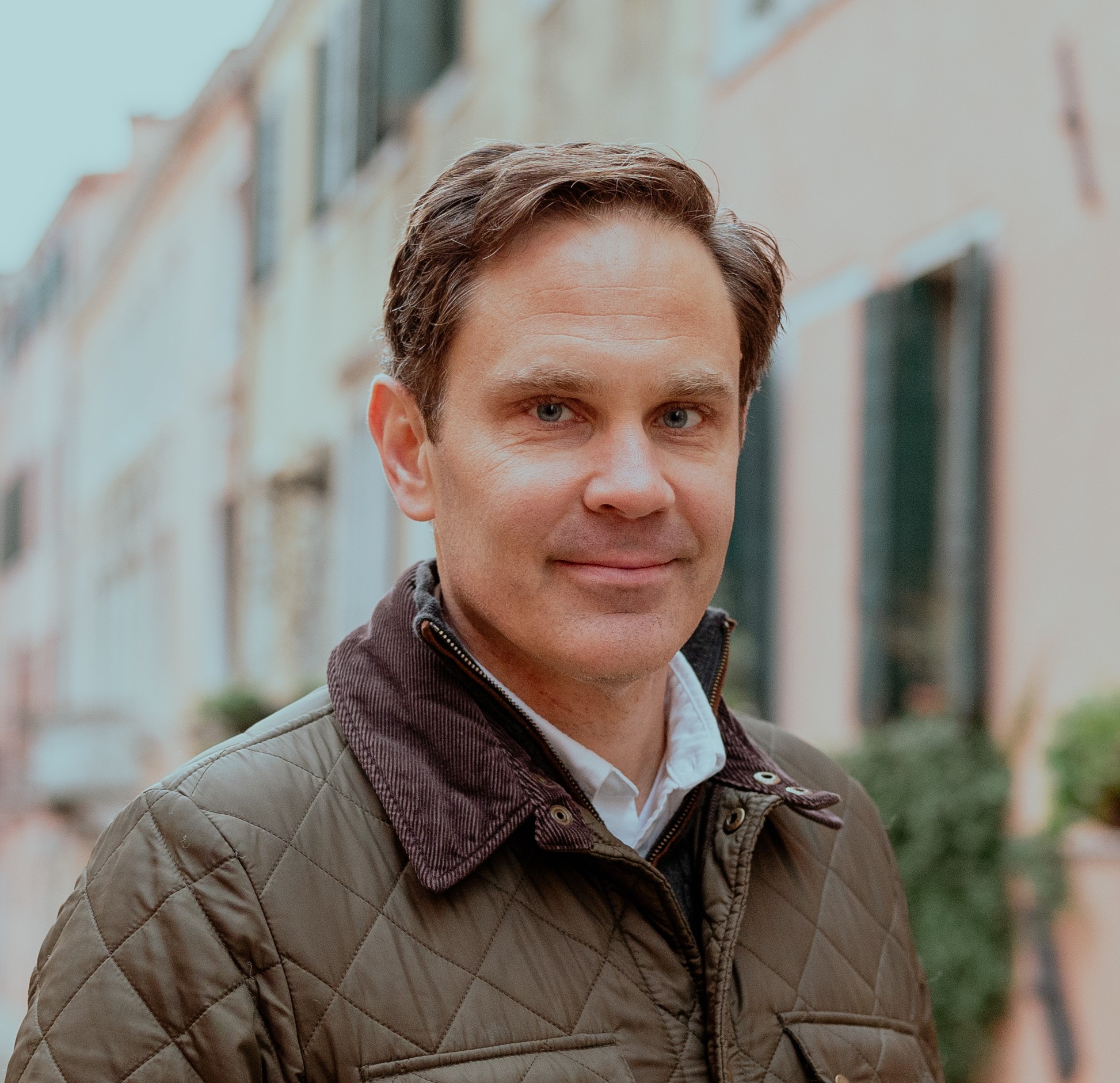
Co-Founder and Managing Director of Long Angle, Exited Co-Founder of iLab Solutions to Agilant Technologies
Most founders think the hard part is building the business.
It is not.
The hard part is what happens after you win. When the liquidity comes in. When the outside world assumes you have all the answers. When your net worth goes up, but the quality of your decisions suddenly matters more than ever. Because building wealth and knowing what to do with wealth are two very different things.
That is where Tad Fallows becomes a fascinating conversation.
Tad is the CEO and co-founder of Long Angle, a private community for first-generation wealth creators. He is also someone who understands a truth many founders learn too late. Financial success solves some problems, but it also reveals new ones. Trust. Identity. Risk. Family. Purpose. And the question behind all of it: how do you turn success into something durable, meaningful, and well stewarded?
Before Long Angle, Tad co-founded iLab Solutions and helped build it into a market leader serving top research universities around the world. He started at McKinsey, studied economic history at Harvard, and has spent years in rooms where high achievers speak honestly about money, investing, and life only when they know they are safe.
What makes Tad so relevant is not just that he understands wealth.
It is that he understands what wealth exposes.
And for any founder who wants to build freedom without becoming a prisoner of success, that conversation matters.


